The Ultimate Guide to Meal Prep for Busy Families
Let’s be honest: feeding a busy family every single night can feel like a second job. Between school runs, work deadlines, and extracurricular activities, the last thing you need is the 5 p.m. panic over what’s for dinner.
That’s where meal prep for busy families comes in. It’s not about spending your entire Sunday in the kitchen. It’s about working smarter, not harder, so you can enjoy real, home-cooked meals without the daily chaos.
In this guide, I’ll walk you through a practical, step-by-step system that actually works for real families. We’ll cover planning, cooking strategies, storage, and even how to involve the kids. Ready to take control of your week?
Why Meal Prep Is a Game-Changer for Busy Families
When you hear “meal prep,” you might picture Instagram-perfect containers of kale and quinoa. But for families, it’s much simpler: it’s about having dinner ingredients ready to go when you need them.
The real benefits go beyond saving time. You’ll save money by reducing food waste and impulse takeout orders. You’ll also cut down on stress because the “what’s for dinner?” question already has an answer.
Plus, when you plan ahead, it’s much easier to keep meals balanced and nutritious. That means fewer processed snacks and more healthy family meals that everyone can enjoy.
Step 1: Master Your Family Meal Planning
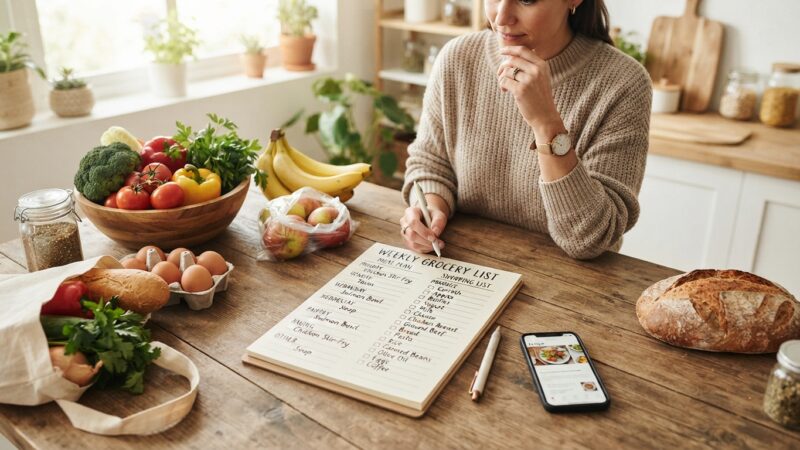
The foundation of any good meal prep is a solid plan. Without one, you’re just chopping vegetables in the dark. Start by looking at your family’s schedule for the week ahead.
Grab a notebook or a simple whiteboard. Jot down which nights are crazy (soccer practice, late meetings) and which nights are calmer. This will tell you which meals need to be super fast and which can be a little more involved.
Here’s a simple framework to get you started:
- Theme nights: Assign a theme to each day (e.g., Monday is Pasta, Tuesday is Tacos, Wednesday is Soup). This removes decision fatigue.
- Double-duty ingredients: Plan meals that share ingredients. Grilled chicken on Monday becomes chicken tacos on Tuesday.
- Leftover love: Schedule one “leftover night” to clean out the fridge and reduce waste.
If you’re stuck for ideas, check out our collection of quick dinner ideas that are perfect for busy weeknights. They’re tested for flavor and speed.
Step 2: Choose the Right Meal Prep Style for Your Family
Not all meal prep looks the same. There are a few different approaches, and the best one depends on your family’s needs and your available time.
Here’s a quick breakdown to help you choose:
| Prep Style | Best For | Time Investment |
|---|---|---|
| Full Meal Prep | Families who want grab-and-go dinners | 2–3 hours on Sunday |
| Ingredient Prep | Flexible cooks who want to assemble meals quickly | 1 hour on Sunday |
| Partial Prep | Families with unpredictable schedules | 30 minutes twice a week |
Full meal prep means cooking complete meals and storing them in containers. Ingredient prep means washing, chopping, and marinating components like proteins, veggies, and grains. Partial prep might just involve making a big batch of rice and pre-washing salad greens.
For most families, I recommend starting with ingredient prep. It gives you flexibility while still cutting your weekday cooking time in half. If you love baking, you can even prep some easy desserts to have a treat ready for the week.
Step 3: Efficient Cooking Strategies for Your Prep Day
Your prep day should feel organized, not overwhelming. The key is to batch-cook similar items at the same time. Think of it like an assembly line.
Start by preheating your oven to 400°F. While it heats up, wash and chop your vegetables. Toss them with olive oil, salt, and pepper, then spread them on sheet pans. Roast everything at once.
At the same time, cook your grains on the stovetop or in a rice cooker. Grill or pan-sear your proteins (chicken breasts, ground beef, tofu) in batches. Let everything cool completely before storing.
This multi-tasking approach means you can prep a week’s worth of healthy family meals in about 90 minutes. It’s efficient, and you only clean the kitchen once.
Step 4: Smart Storage to Keep Food Fresh
Proper storage is what makes or breaks your meal prep efforts. If you’ve ever opened a container of soggy vegetables, you know the struggle.
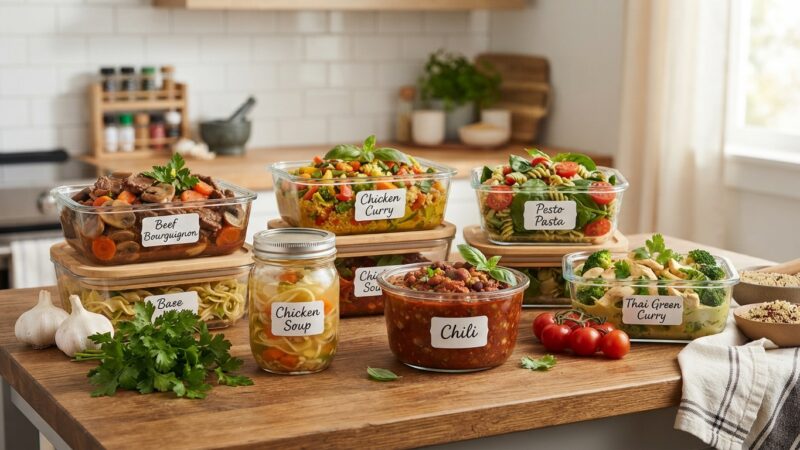
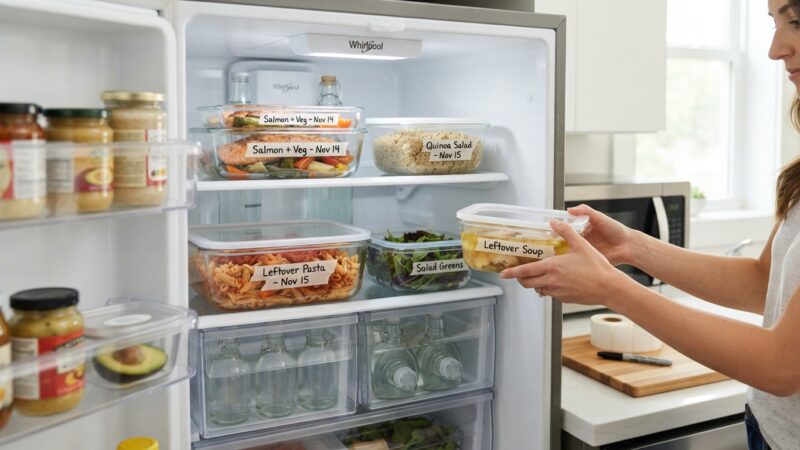
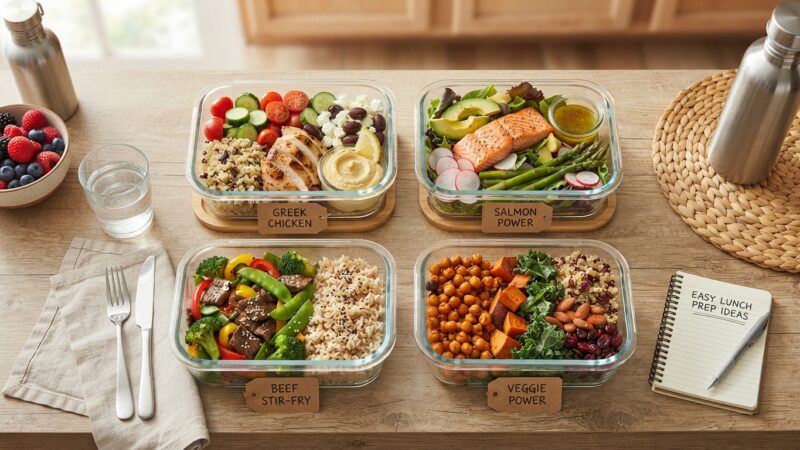
Invest in clear, airtight glass containers. They’re microwave-safe, dishwasher-safe, and they don’t absorb odors like plastic. Label everything with the meal name and the date using masking tape and a marker.
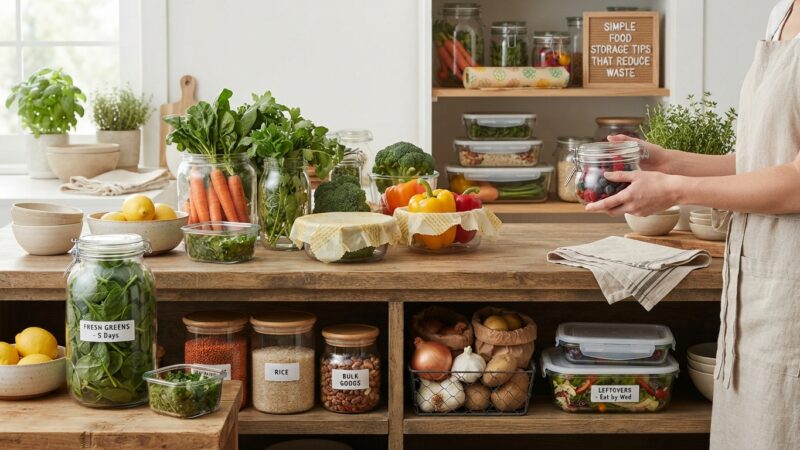
Here are a few pro tips for keeping food fresh longer:
- Leafy greens: Store them with a dry paper towel in the container to absorb excess moisture.
- Cooked proteins: Slice or shred them before storing to make them easier to reheat and use.
- Separate wet from dry: Keep sauces, dressings, and salsas in small separate containers so they don’t make your grains or greens soggy.
For meal prep beginners, browse more kitchen tips and meal prep advice to level up your storage game. You can also find inspiration from our international cuisine recipes to add variety to your weekly rotation.
Step 5: Get the Whole Family Involved
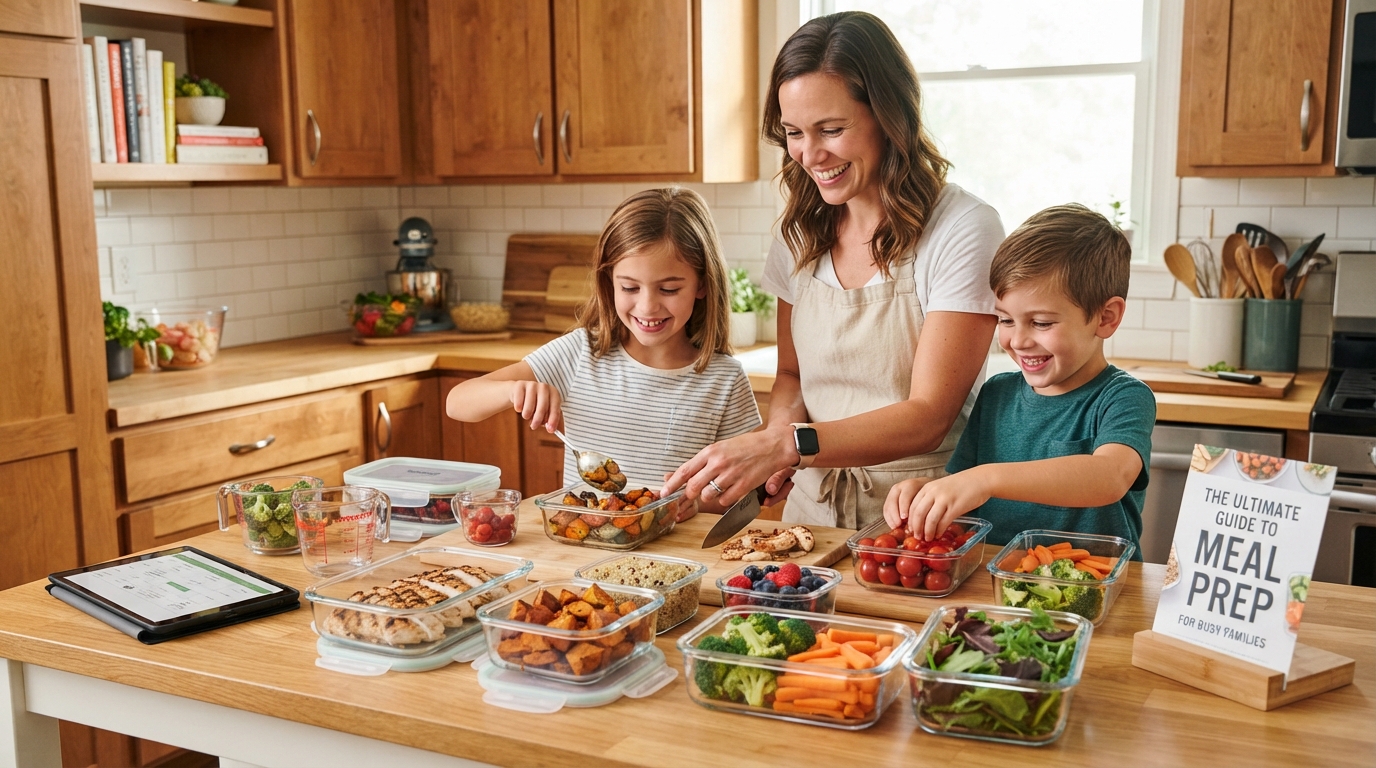
Meal prep doesn’t have to be a solo mission. Getting your kids and partner involved makes it faster and teaches valuable life skills.
Assign age-appropriate tasks. Toddlers can wash vegetables or tear lettuce. Older kids can measure ingredients, stir sauces, or pack their own lunch containers. Teens can take over an entire recipe from start to finish.
Turn on some music or a podcast. Make it a Sunday afternoon ritual. It’s a great way to spend time together while setting your family up for a successful week. Plus, kids are more likely to eat what they helped prepare.
Step 6: Reheating and Assembling Meals During the Week
The final piece of the puzzle is knowing how to quickly turn your prepped ingredients into a real dinner. The goal is minimal effort on busy nights.
For example, if you prepped roasted vegetables, cooked quinoa, and grilled chicken on Sunday, Monday’s dinner is a simple bowl: just reheat everything and add a sauce. If you prepped taco filling and shredded lettuce, Tuesday is taco night in under 10 minutes.
One product that can seriously simplify your weekly cooking routine is a high-quality, easy-to-use bread maker. If you love the idea of fresh, homemade bread without the hands-on time, confira esta opção for a reliable model that takes the guesswork out of baking. It’s a real time-saver for busy families who still want that fresh-baked feeling.
Frequently Asked Questions About Meal Prep for Busy Families
How long does meal prep food last in the fridge?
Most cooked meals and prepped ingredients stay fresh for 3 to 4 days in the refrigerator. Raw proteins like chicken or ground beef should be cooked within 1 to 2 days of prep. For longer storage, freeze portions in airtight containers.
Can I meal prep if I’m on a tight budget?
Absolutely. Meal prep is actually a great way to save money. Buy seasonal vegetables, bulk grains, and proteins when they’re on sale. Planning ahead helps you use every ingredient before it goes bad.
What if my family gets bored eating the same food?
Variety is key. Prep versatile ingredients that can be used in different ways. For example, the same roasted chicken can go into salads, wraps, pasta, and soups. Change up the sauces and seasonings to keep things interesting.
Do I need special containers for meal prep?
Not necessarily, but good containers make a huge difference. Glass containers are durable, easy to clean, and don’t stain or hold smells. If you’re using plastic, make sure it’s BPA-free and microwave-safe.
How do I prevent vegetables from getting soggy?
Store wet ingredients separately from dry ones. Keep dressings and sauces on the side. Use paper towels in containers for leafy greens and herbs. Roast vegetables instead of steaming them to keep their texture.
Can I freeze prepped meals?
Yes! Many meals freeze beautifully. Soups, stews, chili, casseroles, and cooked grains all freeze well. Let them cool completely before freezing, and use containers that are freezer-safe. Label everything with the date and contents.
How often should I do meal prep?
Most families prep once a week, usually on a Sunday. If that feels too heavy, try prepping twice a week (e.g., Sunday and Wednesday). The key is to find a rhythm that works for your lifestyle and stick with it.
What are the best beginner meals to prep?
Start with simple, forgiving recipes. Think: sheet pan chicken with vegetables, pasta bolognese, black bean soup, and taco bowls. These are easy to make in bulk and reheat well without losing flavor.
Conclusion: Your Family Meal Prep Journey Starts Today
Meal prep for busy families doesn’t have to be complicated or time-consuming. It’s a flexible system that you can adapt to your own life. Start small, maybe just prepping ingredients for three dinners this week.
As you build the habit, you’ll notice the stress melting away from your evenings. More time with your family, more control over what you eat, and fewer last-minute runs to the drive-thru. That’s a win for everyone.
So pick a day, make a plan, and get the whole family involved. You’ve got this.