The Ultimate Guide to Batch Cooking in 2026
Let’s be real: cooking every single night in 2026 is a recipe for burnout, not dinner. Between packed schedules and the constant scroll of new recipe trends, most of us just want something fast that doesn’t taste like cardboard.
Enter batch cooking. This isn’t your grandma’s Sunday sauce marathon—it’s a smarter, cooler, and much more flexible way to eat well all week. Think of it as your secret weapon for reclaiming evenings and ditching takeout for good.
In this ultimate guide, I’ll walk you through the best batch cooking 2026 strategies, from gear you actually need to foolproof plans that fit your life. No more wasted food or sad lunches. Let’s get prepped.
Why Batch Cooking in 2026 Is Different (and Better)
Batch cooking has evolved. It’s no longer about spending an entire Sunday boiling beans and shredding chicken. The new wave focuses on kitchen efficiency and ingredient intelligence.
We’ve learned that variety matters. The old method of eating the same chili for five days? That’s out. In 2026, batch cooking means cooking components—not entire meals. You prep grains, veggies, proteins, and sauces separately. Then you mix and match all week.
This approach cuts down food waste by nearly 40% (yes, really) and saves you hours. Plus, with smarter meal prep tips from pros, you can cook once and eat five completely different dinners. That’s the real win.
The Core Principles of a Successful Batch Cooking Routine
Before you grab every pot you own, understand the three pillars of effective batch cooking. These are non-negotiable if you want to stick with it.
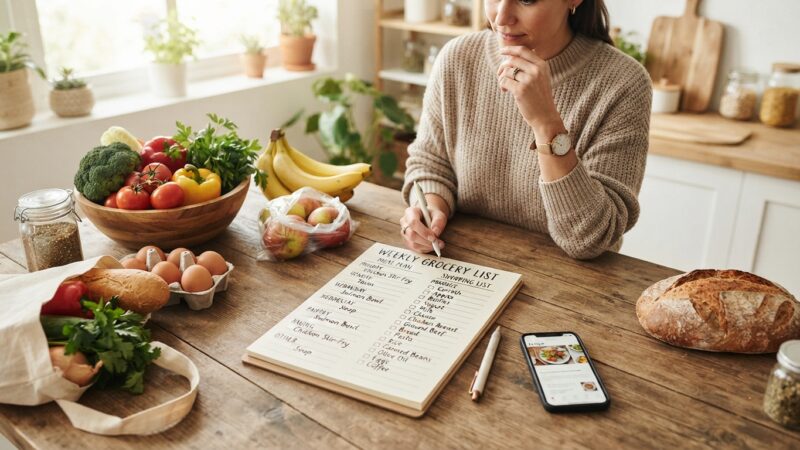
1. Plan before you prep. Spend 15 minutes on Sunday mapping out 3 to 4 core proteins and 2 to 3 base grains. Check your pantry first. Don’t buy what you already have.
2. Cook in parallel. Use your oven, stovetop, and Instant Pot simultaneously. While rice cooks, roast sheet-pan veggies and sear chicken thighs. This cuts total active time in half.
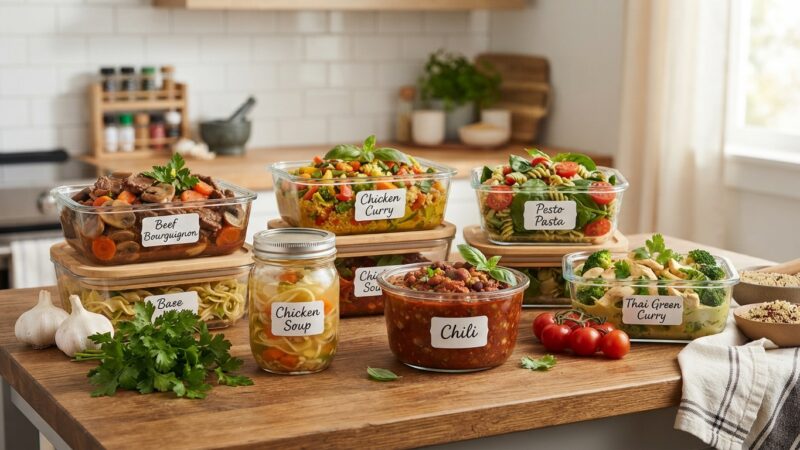
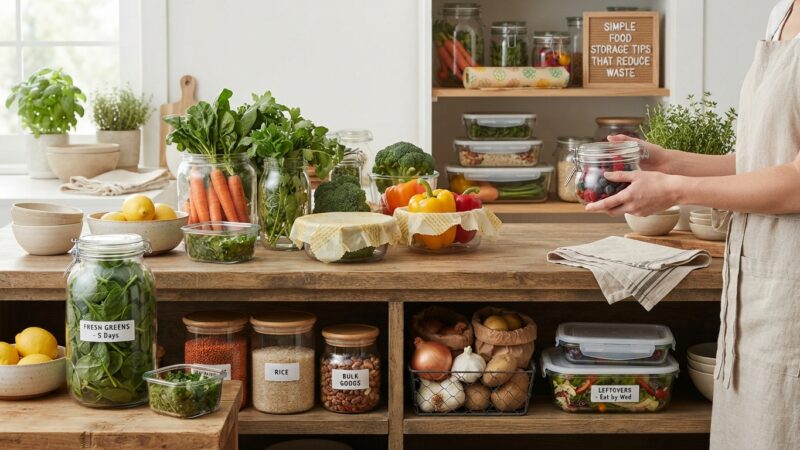
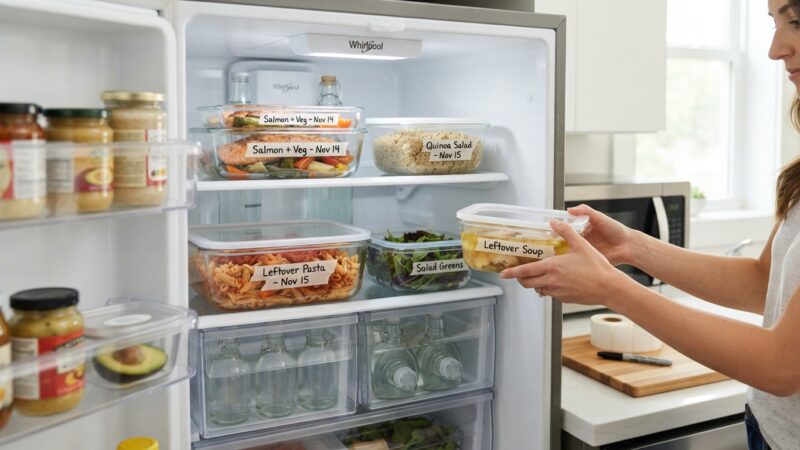
3. Store smart. Use clear glass containers. Label everything with a dry-erase marker. Stack them so you see what’s ready to eat. Out of sight means out of mind—and eventually, in the trash.
If you’re just starting out, check our collection of quick and easy recipes to build your first batch menu without feeling overwhelmed.
Essential Gear for Weekly Meal Prep in 2026
You don’t need a professional kitchen. But a few smart tools make a massive difference in speed and quality.
- A programmable multicooker: Saves counter space and cooks rice, beans, soups, and even yogurt. Set it and forget it.
- Sheet pans (2 or 3): Roast massive quantities of vegetables at once. Lining with parchment means zero cleanup.
- Vacuum sealer: Extends fridge life of cooked proteins from 3 days to 7 days. Also perfect for freezer storage.
- Mason jars and glass containers: For dressings, overnight oats, and pre-portioned snacks. BPA-free and microwave-safe.
You really only need about five high-quality containers to rotate through a week of weekly meal prep. Invest in ones with airtight lids. Your future self will thank you.
Step-by-Step: Your First Batch Cooking Sunday
Ready to execute? Here’s a four-hour timeline that takes you from empty fridge to fully prepped week.
| Time | Action | Details |
|---|---|---|
| 0:00–0:20 | Wash & chop veggies | Onions, bell peppers, carrots, broccoli. Keep separate by cooking method (roasting vs. sautéing). |
| 0:20–0:30 | Start grains | Quinoa, brown rice, or farro in the multicooker. Set and forget. |
| 0:30–1:30 | Roast sheet-pan veggies | Toss with olive oil, salt, pepper. Spread on 2 pans. Roast at 400°F. |
| 1:30–2:30 | Cook proteins | Grill chicken breasts, sear ground beef, or bake salmon. Use different seasonings for each. |
| 2:30–3:00 | Make 2 sauces | A simple vinaigrette and a creamy yogurt herb sauce. Store in jars. |
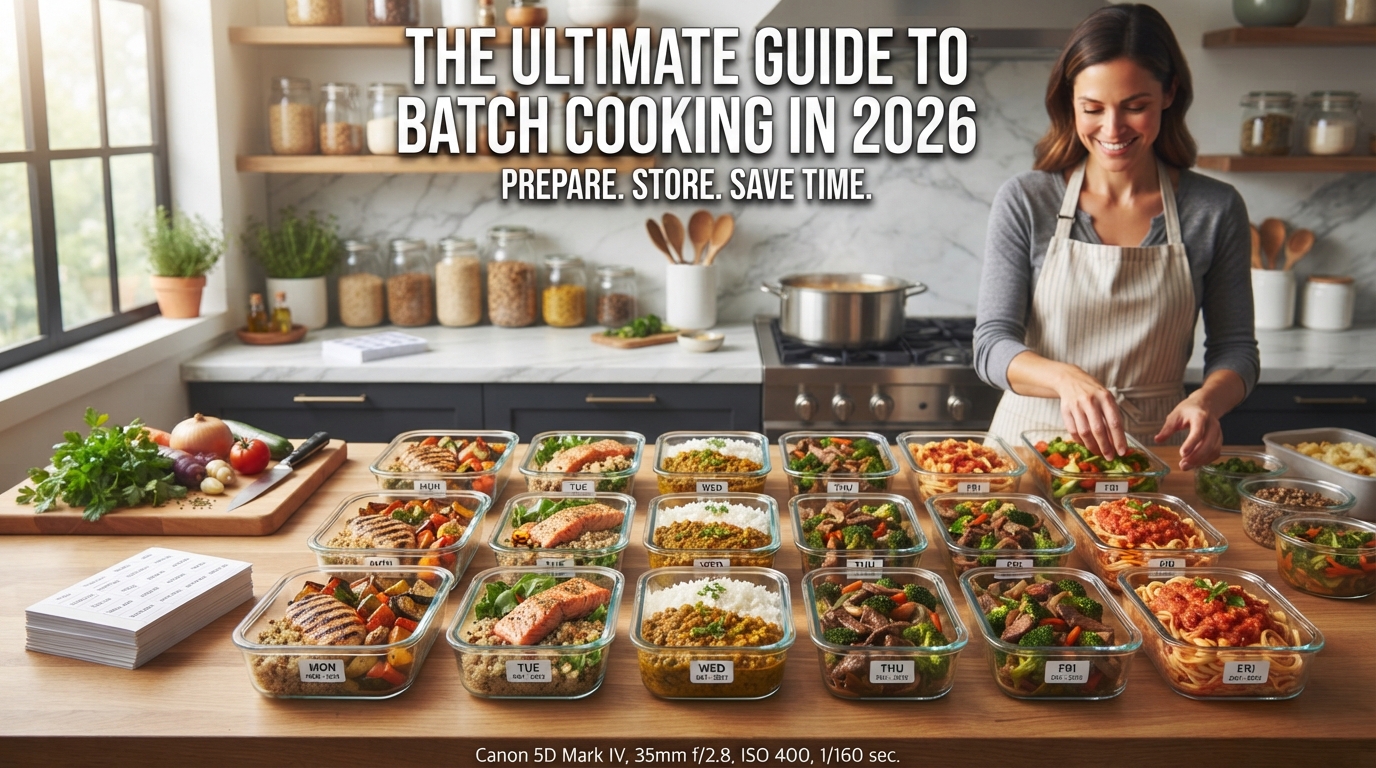
| 3:00–3:30 | Portion & label | Divide proteins, grains, and veggies into containers. Combine only when plating. |
That’s it. In just over three hours of active work, you’ve set yourself up for 7 to 10 meals. And the best part? You only use one or two pots and pans.
For more ideas on balancing flavor and nutrition, browse our healthy and special diet recipes that work perfectly for this system.
How to Keep Variety Alive Without Extra Work
“I’m bored of my meal prep” is the #1 reason people quit. But it’s totally avoidable. The trick is building a modular system.
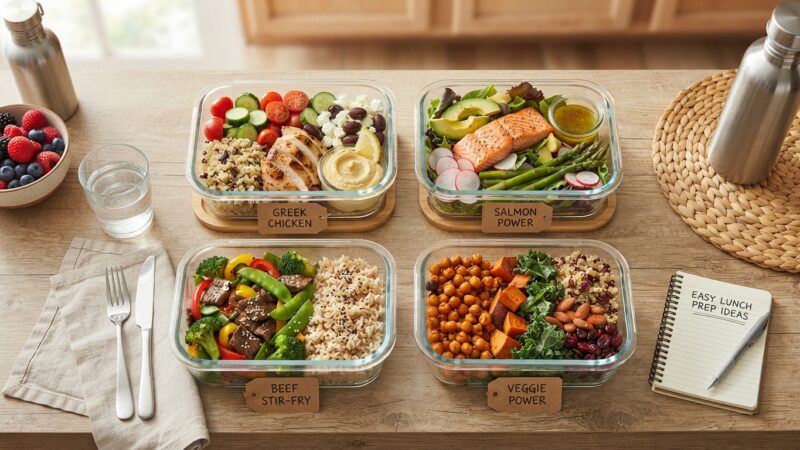
Cook one neutral protein (like plain shredded chicken) and one seasoned protein (like lemon-herb chicken). Pair each with different grain-veggie combos throughout the week.
Change the sauce daily. That roasted veggie and quinoa base? Monday you dress it with balsamic. Tuesday you add a dollop of pesto. Wednesday you toss it with soy sauce and sesame oil. Three different cuisines, one batch of food.
For inspiration on global flavors, dive into our international cuisine recipes to expand your sauce and spice repertoire.
Freezer-Friendly Batch Cooking: The Long Game
Don’t limit yourself to just the fridge. Your freezer is a time-saving kitchen strategy powerhouse. Think of it as your personal backup chef.
Cook double batches of soups, stews, and chili. Freeze them in individual portions. They thaw in minutes and taste just as good as day one. Portion cooked grains flat in zip-top bags—they stack like books and defrost in seconds.
Label every bag with the date and contents. Trust me, frozen zucchini-chickpea curry looks exactly like frozen lentil soup after a week. A Sharpie is your best friend.
If you’re interested in how proper healthy meal planning can also support dietary goals, check out these expert tips from New York Times Cooking for more advanced techniques.
Frequently Asked Questions About Batch Cooking in 2026
How long does batch-cooked food last in the fridge?
Most cooked proteins and grains stay fresh for 3 to 4 days. Vegetables last 4 to 5 days if stored separately from dressings. Sauces can last up to a week.
Can I batch cook if I have a small space?
Absolutely. Use a multicooker and a small countertop oven. Work in two sessions—one for grains and proteins, one for veggies. You don’t need a sprawling kitchen.
How do I prevent vegetables from getting soggy?
Roast them until just tender. Let them cool completely before sealing containers. Add fresh herbs or crunchy toppings only right before eating.
Is batch cooking cheaper than eating out?
Dramatically. A single batch cooking session can cost as little as $40 and yield 10 meals. That’s $4 per meal versus $15+ for takeout. Your wallet will notice.
Do I need to eat the same thing every day?
Not at all. As discussed, cook components separately and mix them different ways. One batch of rice can be Asian bowls, burrito bowls, and Mediterranean salads.
What if I don’t have time on Sunday?
Split it into two weeknight sessions: 45 minutes on Tuesday for grains and proteins, 30 minutes on Thursday for veggies and sauces. It’s still batch cooking.
Can I freeze dairy-based sauces?
Dairy sauces with cream or milk can separate when thawed. Instead, freeze the base without dairy. Add cream or cheese when reheating. Much better texture.
What’s the one product I should buy to start?
A high-quality vacuum sealer if you plan to freeze often. It prevents freezer burn and keeps food tasting fresh for months. Confira esta opção for a reliable model that works great for both meal prep and storing baked goods.
Conclusion: Make Batch Cooking Your 2026 Superpower
Batch cooking isn’t a chore—it’s a lifestyle upgrade. When you master the art of cooking once and eating well all week, you free up mental energy, save serious cash, and actually enjoy your meals again.
The key is starting small. Pick one grain, one protein, and one veggie this weekend. See how it feels. Then scale up from there. Before you know it, you’ll be the friend everyone asks for meal prep advice.
And if you ever feel stuck, remember: the goal isn’t perfection. It’s progress. Every batch you prep is one less takeout order and one more home-cooked win. Now go make that stove work for you.
For more tips and tools, explore our complete library of kitchen tips and meal prep guides to keep your routine fresh and efficient.