Kitchen Cleaning Hacks Everyone Should Know
Nobody loves scrubbing grease and grime after a long day of cooking. But a clean kitchen isn’t just about looks—it’s essential for food safety and your sanity. Over the years, I’ve collected dozens of shortcuts that save time without sacrificing results. These kitchen cleaning hacks will transform how you handle messes, from baked-on stains to funky sponges. You’ll wonder why you didn’t try them sooner.
Whether you’re a seasoned home cook or just starting out, keeping your cooking space tidy is easier than you think. Many of these tricks use items you already have in your pantry. No expensive sprays, no harsh chemicals—just smart, effective methods. Ready to get your kitchen sparkling? Let’s dive in.
1. Conquer Grease with a Simple Dish Soap Trick
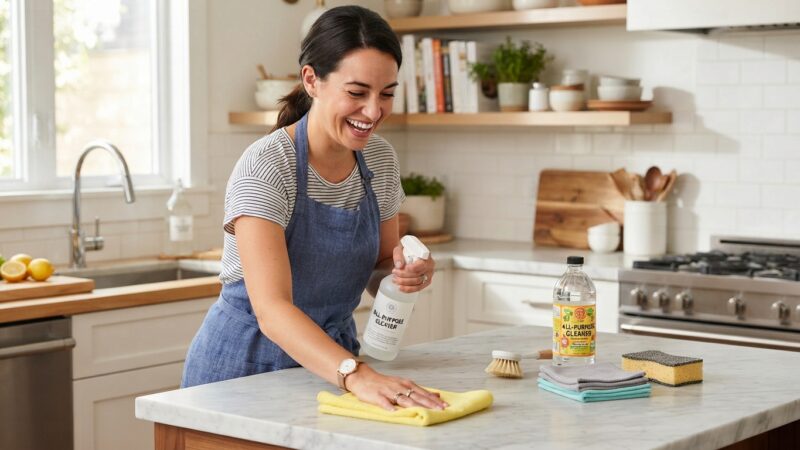
Grease buildup on stovetops, backsplashes, and range hoods is one of the most stubborn messes in any kitchen. Instead of scrubbing for hours, try this: mix a few drops of blue Dawn dish soap with warm water in a spray bottle. Spray the greasy surface, let it sit for 5 minutes, then wipe with a microfiber cloth. The soap breaks down fat molecules like magic.
For extra-sticky grease on your range hood filter, fill your sink with hot water and a squirt of dish soap. Let the filter soak for 20 minutes, then scrub gently with a soft brush. Rinse and dry—it’ll look brand new. This is one of the best easy cleaning tips I’ve ever tested, and it costs almost nothing.
2. Freshen and Sanitize Cutting Boards Instantly
Cutting boards can harbor bacteria even after a quick rinse. For plastic boards, scrub with a paste of baking soda and lemon juice—let it sit for 10 minutes, then rinse. The lemon cuts through odors while the baking soda buffs away stains. For wooden boards, use coarse salt and half a lemon. Sprinkle salt on the board, rub with the lemon half, then rinse and dry immediately.
To prevent deep scratches and cracks, always hand-wash wooden boards and dry them upright. If you’re into meal prepping, a clean cutting board is non-negotiable. Check out our kitchen tips and meal prep category for more ways to keep your cooking tools in top shape.
3. Degrease Your Oven Without Toxic Fumes
Self-cleaning cycles can be harsh on your oven and release nasty odors. Instead, use a natural mixture: combine a cup of baking soda with enough water to form a spreadable paste. Coat the inside of your oven (avoid the heating elements) and let it sit overnight. The next day, spray white vinegar over the paste—it will fizz and loosen burnt-on food. Wipe clean with a damp cloth.
This method is gentle yet powerful. It works wonders for degrease kitchen surfaces without requiring you to wear a gas mask. For routine maintenance, wipe down your oven door with a mixture of equal parts vinegar and water every week. You’ll prevent heavy buildup before it starts.
4. Banish Microwave Splatters in 60 Seconds
Microwave messes are notorious for drying into concrete-like crusts. Here’s a hack: fill a microwave-safe bowl with water and a few slices of lemon (or a tablespoon of vinegar). Microwave on high for 3–4 minutes until the liquid boils and steams up the walls. Let it sit for 5 minutes with the door closed—the steam loosens all the gunk. Then wipe everything down with a paper towel. Done.
The lemon leaves a fresh scent, and you didn’t have to scrub. This is perfect for quick cleanups after reheating spaghetti or popcorn. Pair this with a regular wipe-down of the door seal to keep your microwave running efficiently.
5. Keep Your Sink Sparkling and Odor-Free
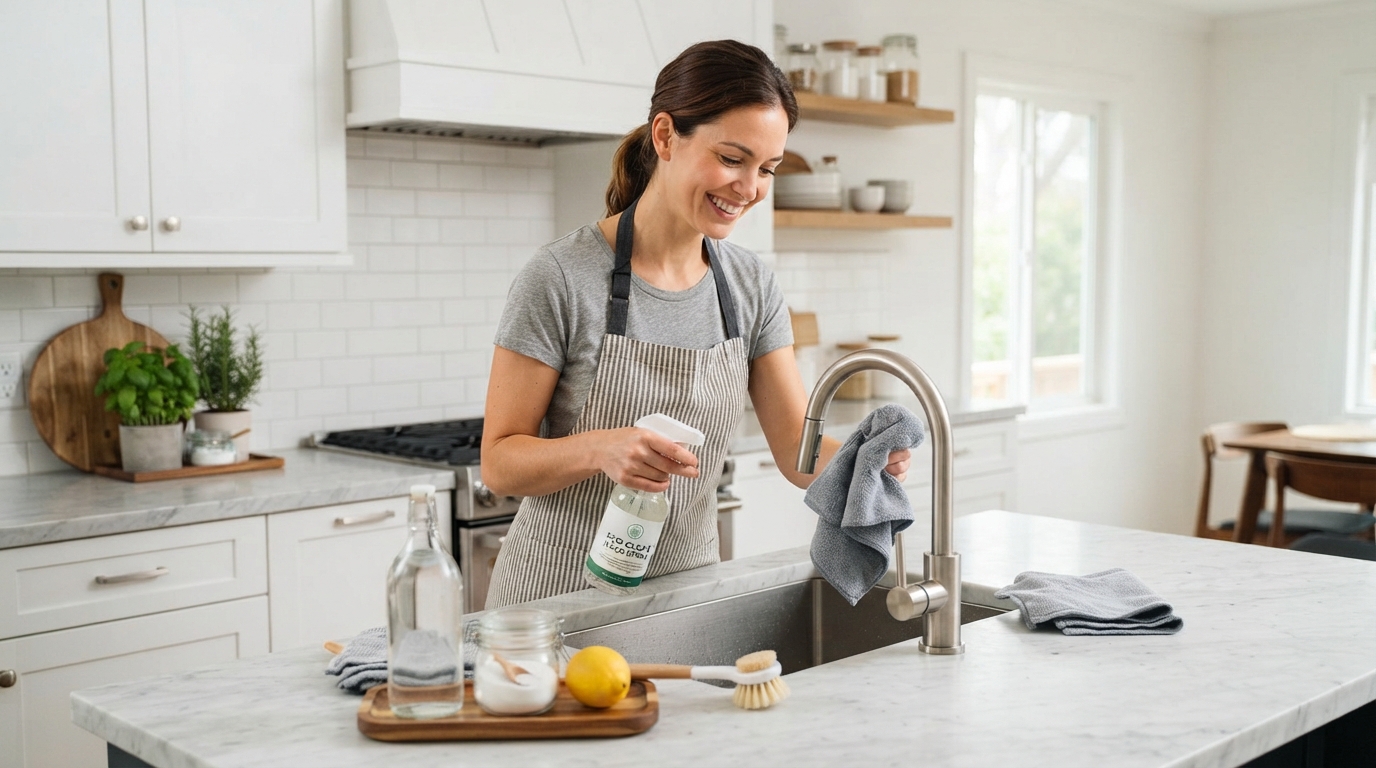
Your kitchen sink collects food scraps, grease, and bacteria every day. To freshen it without chemicals, pour a cup of baking soda down the drain, followed by a cup of white vinegar. Let it fizz for 5 minutes, then flush with boiling water. For stainless steel sinks, rub the surface with a cut lemon to remove water spots and restore shine.
Don’t forget the garbage disposal—toss some ice cubes and lemon peels in it while running cold water. The ice sharpens the blades, and the lemon deodorizes. These small habits make a big difference in overall kitchen maintenance. For more ideas on keeping your prep area efficient, browse our quick and easy recipes—many of them are designed to minimize mess.
6. Use Natural Cleaners for Everyday Spills
| Surface | Natural Cleaner | How to Apply |
|---|---|---|
| Countertops (granite) | Rubbing alcohol + water (1:1) | Spray and wipe with a soft cloth |
| Glass stovetop | White vinegar + water (1:1) | Spray, let sit 30 seconds, wipe dry |
| Stainless steel | Olive oil + a dab of lemon juice | Apply on a cloth, buff to shine |
| Tile backsplash | Baking soda paste + scrub | Let sit 5 minutes, rinse well |
Using natural kitchen cleaners isn’t just eco-friendly—it’s safer around kids and pets. Plus, you save money. Keep a spray bottle of diluted vinegar under your sink for quick touch-ups. These solutions handle most daily spills without leaving harmful residues.
7. Clean Your Sponge and Dishcloth Properly
Your sponge might be the dirtiest thing in your kitchen. To sanitize it, wet the sponge and microwave it on high for 1–2 minutes (but only if it doesn’t contain metal). Let it cool before handling. Alternatively, run it through the dishwasher’s heated dry cycle. Replace sponges every two weeks, or sooner if they start to smell.
Dishcloths should be washed in hot water with bleach or vinegar after each use. Hang them to dry completely between uses—damp cloths breed bacteria. This single habit can drastically reduce cross-contamination in your kitchen.
8. Wipe Down Your Refrigerator Shelves the Smart Way
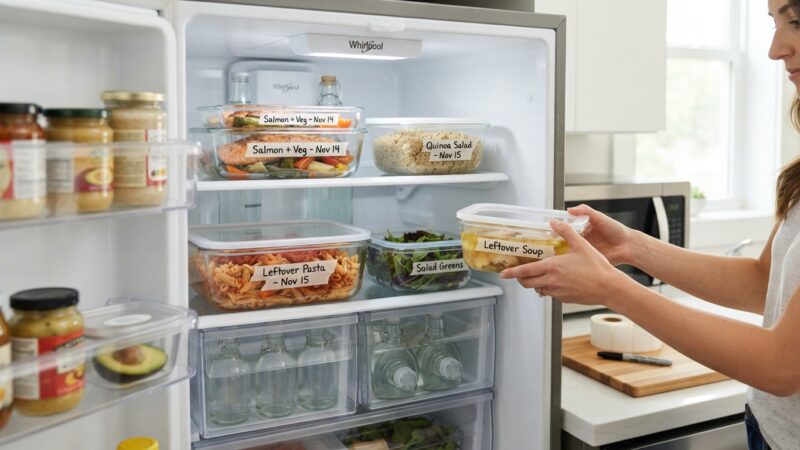
Spills in the fridge can turn into science experiments. Line your glass shelves with wax paper or silicone mats. When something spills, just pull out the liner and rinse it off. No scrubbing sticky juice off the glass. For existing messes, wipe with a mixture of baking soda and warm water—it neutralizes odors and cuts through sticky residue.
Keep an open box of baking soda on a shelf to absorb smells. Replace it every three months. And while you’re at it, organize your ingredients. Check our healthy special diet recipes for inspiration on using up leftovers and reducing fridge clutter.
9. Tackle Burnt Pots and Pans with Ease
Burnt food stuck to your favorite pan? Sprinkle the bottom generously with baking soda, then add enough white vinegar to create a bubbling paste. Let it sit for 10–15 minutes. Add water to cover the bottom and bring it to a boil on the stove. Turn off the heat and let it cool—now scrub with a wooden spoon or non-abrasive pad. The burnt bits will lift off effortlessly.
For non-stick pans, be gentle. Use only soft sponges and avoid metal utensils. If you’re into baking, you can find more tips in our desserts and baking section, where clean pans make a real difference.
FAQ: Common Kitchen Cleaning Questions
1. How often should I deep clean my kitchen?
I recommend a quick daily wipe-down of counters and stovetop, plus a deeper weekly clean that includes the oven, refrigerator, and sink. Heavy grease areas might need attention every few days depending on how much you fry or sauté.
2. Can I use bleach on my cutting boards?
Yes, but only on plastic boards. Mix 1 tablespoon of bleach per gallon of water, soak for 2 minutes, then rinse thoroughly. Never use bleach on wooden boards, as it can be absorbed into the wood. Stick to vinegar or baking soda for wood.
3. What’s the best way to remove hard water stains from faucets?
Soak a cloth in white vinegar and wrap it around the faucet. Let it sit for 30 minutes, then scrub with an old toothbrush. Rinse and buff dry. The vinegar dissolves mineral deposits without scratching chrome or stainless steel.
4. Are paper towels or microfiber cloths better for cleaning?
Microfiber cloths are superior for most surfaces—they trap dust and grease without scratching. Use a damp microfiber for counters and a separate dry one for polishing. Paper towels are fine for absorbing spills or wiping raw meat juices (then toss them).
5. How do I get rid of lingering onion or garlic smell on my hands?
Rub your hands on a stainless steel spoon or a piece of stainless steel soap under cold running water for 30 seconds. The metal binds with the sulfur compounds causing the odor. Alternatively, wash with lemon juice and baking soda.
6. Is it safe to use lemon juice on granite countertops?
No. Lemon juice and vinegar are acidic and can dull the sealant on granite and marble. Stick to a neutral cleaner like a mix of rubbing alcohol and water (1:1). Always use a soft cloth to avoid scratching the surface.
7. What’s the easiest way to clean a microwave without scrubbing?
The steam method I mentioned earlier works every time. Just 3–4 minutes of boiling water with lemon or vinegar, then let it sit. The steam softens everything, and you just wipe. This is the most effective of all kitchen cleaning hacks for lazy days.
Conclusion
You don’t need fancy products to keep your kitchen clean. With these kitchen cleaning hacks, you can tackle grease, stains, and odors using simple, natural ingredients you already own. The key is consistency—a little effort each day prevents massive cleanup later. Your cooking space will feel more inviting, and you’ll enjoy spending time in it.
Start small: pick one or two hacks to try this week. Maybe you’ll tackle the oven or refresh your cutting boards. You can also explore our international cuisine recipes for delicious meals that make all this cleaning worthwhile. For those who love keto or healthier baking, confira esta opção if you’re looking for bread and dessert recipes that keep your kitchen mess minimal. Happy cleaning!