The Ultimate Guide to Freezing Food Without Losing Quality
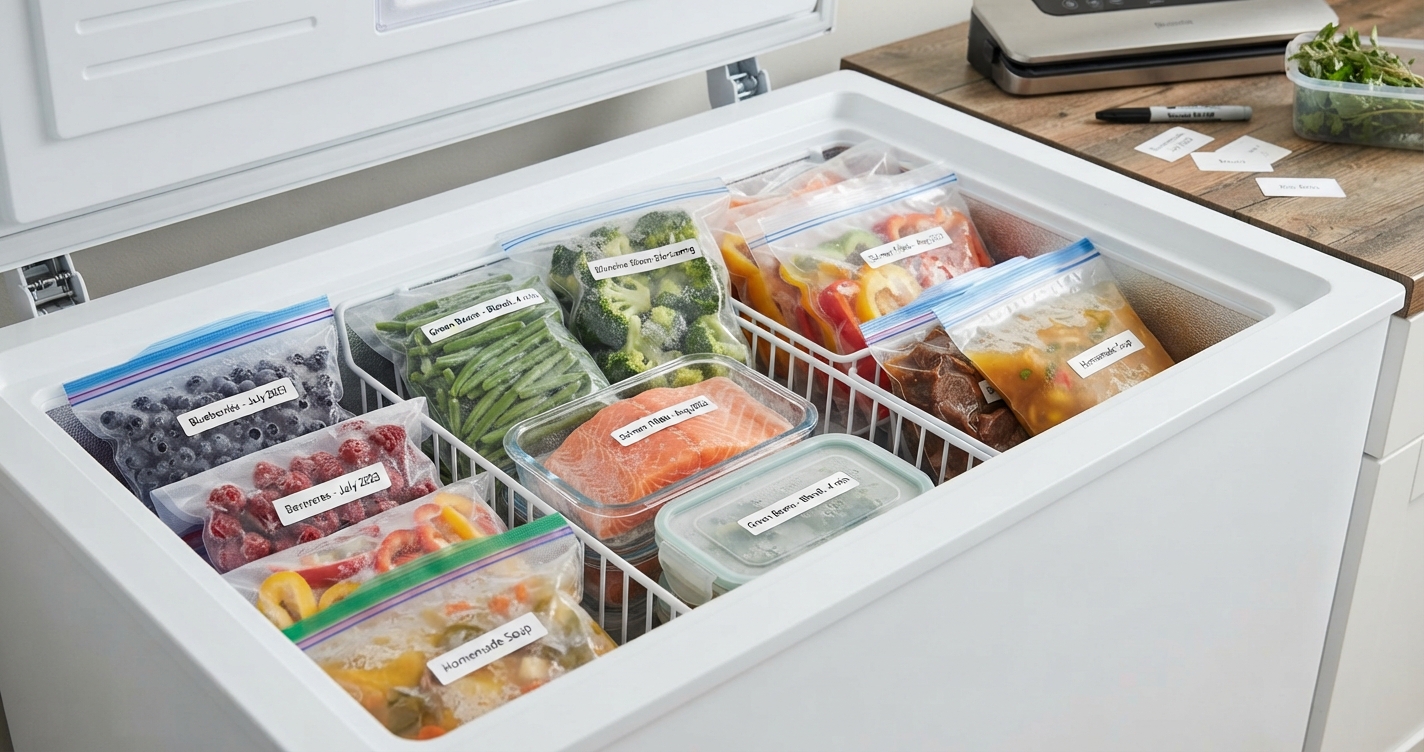
Let’s be honest: your freezer is probably a chaotic black hole of mystery bags and frostbitten leftovers. But it doesn’t have to be that way. With a few smart techniques, you can turn that icy box into your best meal-prep ally.
The secret isn’t just tossing food in and hoping for the best. Knowing how to freeze food properly means locking in flavor, texture, and nutrients so that every thawed meal tastes as good as the day you made it. Whether you’re a weekend meal-prepper or just trying to reduce waste, this guide will change the way you see your freezer.
Think of this as your roadmap to freezing food without losing quality — from raw ingredients to fully cooked dishes. Let’s dive in.
Why Freezing Can Ruin Food (And How to Stop It)
Freezing seems simple, but water is the culprit. When food freezes slowly, water molecules form large, jagged ice crystals. Those crystals puncture cell walls, turning crisp veggies into mush and tender meat into a dry, stringy mess.
The fix? Freeze food as quickly as possible. Spread items in a single layer on a baking sheet before bagging them. Keep your freezer at 0°F (-18°C) or colder. A full freezer maintains temperature better than an empty one, so stock up smartly.
Also, avoid temperature fluctuations. Opening the door repeatedly lets warm air in, causing partial thawing and refreezing — which damages texture even more. Group similar items together so you grab what you need fast.
Essential Gear for Freezer Success
You don’t need a professional kitchen setup, but a few tools make a world of difference. Invest in quality supplies, and your freezer will reward you.
- Airtight containers: Glass or BPA-free plastic with tight seals prevent freezer burn.
- Heavy-duty freezer bags: Squeeze out all air before sealing — use the water displacement method for liquids.
- Vacuum sealer: If you freeze a lot, this is a game-changer for preventing oxidation.
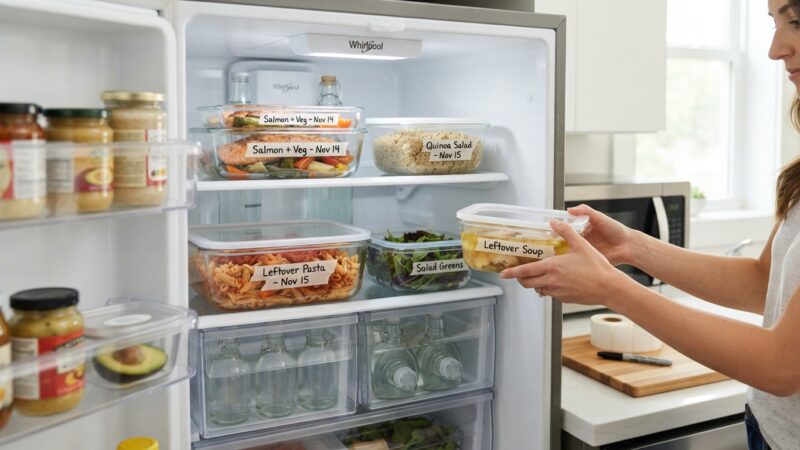
- Freezer labels and marker: Trust me, you won’t remember what that lump is in three months.
For busy home cooks, meal prep freezing tips like portioning sauces into ice cube trays or freezing pre-chopped herbs in oil can save you hours during the week.
Blanching Vegetables: The Step You Can’t Skip
If you toss raw broccoli straight into the freezer, you’ll end up with sad, gray florets. Blanching — briefly boiling then shocking in ice water — deactivates enzymes that cause loss of color, flavor, and nutrients over time.
Here’s the quick method for most veggies: boil for 1–3 minutes (depending on density), transfer to an ice bath, drain thoroughly, then freeze in a single layer on a baking sheet. Once frozen solid, bag them.
This works beautifully for green beans, peas, corn, carrots, and even leafy greens like spinach. Proper blanching is one of the most underrated meal prep freezing tips because it keeps vegetables vibrant and crunchy after thawing.
For a deeper dive on prepping quick veggie sides, check out our quick and easy recipes that work perfectly with frozen produce.
Freezing Meat, Poultry, and Fish the Right Way
Raw meat freezes beautifully if you manage moisture and oxygen. For ground meat or stew chunks, press the meat flat in a freezer bag — stack them like pancakes so they thaw in minutes under cold water.
For chicken breasts or fish fillets, wrap each piece individually in plastic wrap, then place them all in a freezer bag. This prevents them from freezing into a single block. Always label with the cut and freeze date.
One common mistake: washing meat before freezing. Don’t do it. Excess moisture turns into ice crystals. Pat it dry with paper towels, then wrap tightly. For cooked meat dishes (like chili or shredded pork), let them cool completely before freezing to avoid raising the freezer temperature.
If you focus on freezing food without losing quality, you’ll notice that fatty cuts (like beef brisket or duck) freeze better than lean ones (like pork loin) because fat helps retain moisture.
Freezing Prepared Meals: Batch Cooking Like a Pro
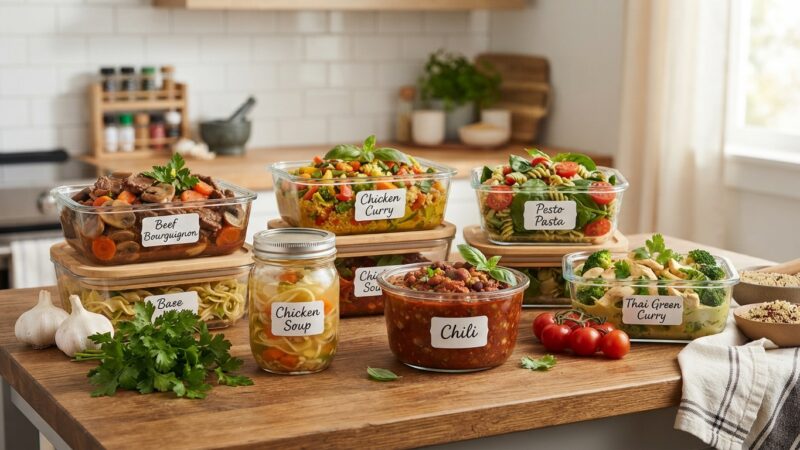
Soups, stews, casseroles, and pasta sauces are freezer superstars. But there’s nuance. Starchy foods like pasta and rice can turn into paste if not handled carefully. Freeze the sauce separately, then cook fresh pasta when serving.
For casseroles, assemble them in a disposable aluminum pan or glass dish, but don’t bake first. Cover tightly with foil, then a layer of plastic wrap. To cook, just thaw overnight in the fridge and bake as usual — you’ll save oven time and dishes.
And here’s a pro trick: freeze cooked grains and beans in portioned bags. Ready-to-heat quinoa or black beans make healthy weeknight dinners a breeze. Pair them with ideas from our healthy and special diet recipes for balanced meals every night.
If you ever want to get creative with global flavors, our international cuisine collection has freezer-friendly options from curries to braised meats.
Thawing Techniques That Protect Quality
How you thaw affects final texture more than many realize. The safest and most quality-preserving method is overnight thawing in the refrigerator. It’s slow, but it keeps the food at a consistent cold temperature and prevents bacterial growth.
For faster thawing, use the cold water method: seal the item in a leak-proof bag, submerge in cold tap water, and change the water every 30 minutes. Never use hot water — that cooks the outer layer while the inside stays frozen.
Microwave defrosting works in a pinch, but it often partially cooks edges, which changes the texture of delicate items like fish or eggs. Avoid refreezing anything thawed in the microwave unless you cook it thoroughly first.
For baked goods or bread, let them thaw at room temperature wrapped in a clean kitchen towel. This absorbs condensation, keeping crusts crispy instead of soggy.
| Food Type | Best Thawing Method | Time Estimate (for 1 lb / 450g) |
|---|---|---|
| Raw meat (steak, chicken) | Refrigerator (cold water as backup) | 12–24 hours (1–2 hours in cold water) |
| Ground meat | Cold water or refrigerator | 1 hour (cold water) / 12 hours (fridge) |
| Soups & stews | Refrigerator or stove (reheat directly) | 8–12 hours (fridge) / 10 min on stovetop |
| Vegetables (blanched) | Cook from frozen — do not thaw | N/A — add directly to pan or pot |
| Bread & baked goods | Room temperature (wrapped in towel) | 30–60 minutes |
Common Freezer Myths Debunked
Myth: Freezing kills bacteria. Fact: Freezing only stops bacterial growth; it doesn’t kill most pathogens. That’s why you must thaw and reheat food to safe internal temperatures.
Myth: You can freeze anything. Fact: Dairy-based sauces, mayonnaise, and raw eggs in their shells don’t freeze well. Custards and cream pies also separate. Stick to cooked egg dishes or dairy that’s been emulsified with starch.
Myth: Freezer burn means the food is unsafe. Fact: Freezer burn is dehydration, not spoilage. Trim off the dry spots and cook the rest — flavor will be slightly compromised but safe to eat.
Want to avoid freezer burn entirely? Use proper best freezer storage containers and remove as much air as possible. For an extra layer of protection, wrap items in plastic wrap before bagging them.
FAQ: Freezing Food Without Losing Quality
How long can I keep food in the freezer?
Most meats last 4–12 months; vegetables about 8–12 months; cooked meals 2–6 months. For best quality, use within those windows. Trace the date on every package with a permanent marker.
Can I freeze food that has already been thawed?
Only if you cook it first. Thawed raw meat or vegetables should never be refrozen raw — texture and safety degrade. Cook it completely, then freeze the cooked dish.
Should I wash fruits and vegetables before freezing?
Berries and cut fruits should be washed and dried thoroughly before freezing. Vegetables should be blanched first (see section above). Wet produce freezes into a solid icy clump.
Is it safe to freeze food in glass jars?
Yes, but leave at least an inch of headspace for expansion. Use straight-sided jars (not wide-mouth ones common for canning) to avoid cracking. Thaw in the fridge, not at room temperature.
What’s the best way to freeze fresh herbs?
Chop them, place in an ice cube tray, cover with olive oil or water, and freeze. Pop out a cube whenever you need fresh flavor in a sauce or soup. This is one of my favorite meal prep freezing tips.
Can I freeze cheese?
Hard cheeses (cheddar, parmesan) freeze well when shredded or cubed. Use directly from frozen for cooking — don’t thaw for slicing, as it becomes crumbly. Soft cheeses (brie, ricotta) separate and get grainy.
Does freezing affect the nutrients in food?
Minimally, if done correctly. Vitamins like C and B can degrade slightly over months, but frozen produce often retains more nutrients than fresh produce that has been sitting in the fridge for a week. The key is freezing food without losing quality through proper prep and sealing.
Conclusion
Freezing food doesn’t have to be a compromise. When you know how to freeze food properly, you reduce waste, save money, and always have a delicious meal within reach. Start small: blanch a batch of green beans, portion out some soup, label everything clearly.
The freezer is one of the most powerful tools in your kitchen — treat it with the same care you’d give your stovetop or oven. Your future self, staring at a chaotic freezer, will thank you.
For more kitchen tips and meal prep strategies, browse our full collection of guides and take your home cooking to the next level.
If you’re looking to explore healthier baking options that freeze beautifully, check out this keto-friendly baking collection — it’s perfect for making freezer-friendly breads and desserts that stay moist and delicious.