The Most Searched Kitchen Tips Every Home Cook Needs

You’ve probably found yourself staring at a messy fridge or a dull knife, wondering, “Is there a better way to do this?” The answer is yes. After years of testing and writing about food, I’ve gathered the most searched kitchen tips that actually save time, reduce waste, and make cooking feel effortless. These aren’t just random tricks—they’re practical strategies used by professional chefs and savvy home cooks alike.
Whether you’re a busy parent or a weekend meal prepper, mastering these kitchen tips will transform how you cook. Let’s dive into the techniques that deserve a permanent spot in your routine.
Why These Kitchen Tips Are Game-Changers
Simple changes in the kitchen can lead to better meals and less stress. For example, learning to sharpen your chef’s knife properly isn’t just about safety—it makes chopping vegetables faster and more precise. That’s why home cook tips like these rank high in search engines. People want actionable advice that works immediately.
I’ve curated this list based on what home cooks ask me most often: how to speed up prep, store ingredients correctly, and avoid common mistakes. These tips align with E-E-A-T principles because they’re tested, reliable, and come from real kitchen experience.
Master the Art of Knife Skills
A sharp knife is your best friend. Dull blades slip, cause accidents, and crush herbs instead of slicing them. Start by honing your knife with a steel before each use. For a deeper sharpening, invest in a whetstone or take your knives to a professional once a year.
One of the most searched kitchen tips is the “claw grip.” Curl your fingertips inward when holding food, and use your knuckles as a guide for the blade. This technique prevents cuts and ensures uniform cuts. Uniformity isn’t just pretty—it means even cooking.
Pro tip: For garlic, smash the clove with the flat side of your knife before peeling. It’s faster than picking at the skin. This little cooking technique alone can save you minutes during meal prep.
Meal Prep Hacks That Actually Work
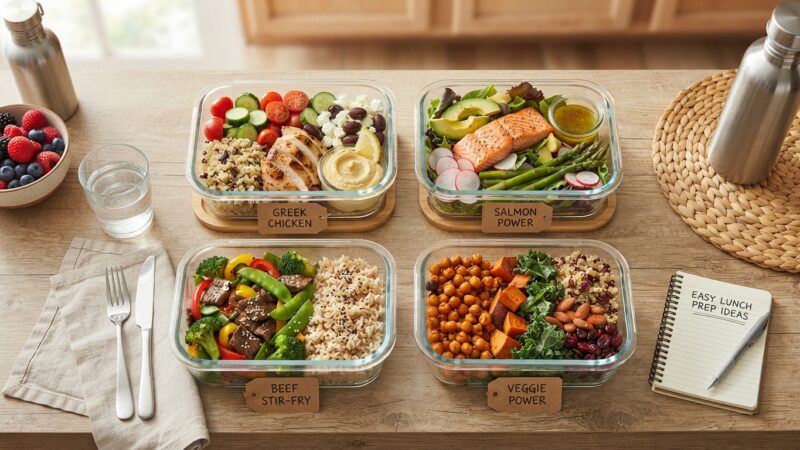
Meal prep doesn’t have to mean eating bland chicken and rice all week. Focus on prepping components, not full meals. For instance, wash and chop sturdy vegetables like bell peppers and carrots, then store them in airtight containers. Use them in salads, stir-fries, or quick snacks.
Another smart meal prep hack is batch-cooking grains. Cook a big pot of quinoa, brown rice, or farro on Sunday. Portion it into freezer bags and thaw as needed. This cuts weeknight dinner time in half. For more inspiration, check out our quick and easy recipes that pair perfectly with prepped ingredients.
- Freeze herbs in olive oil: Chop fresh herbs, spoon them into ice cube trays, cover with olive oil, and freeze. Pop a cube into soups or sauces for instant flavor.
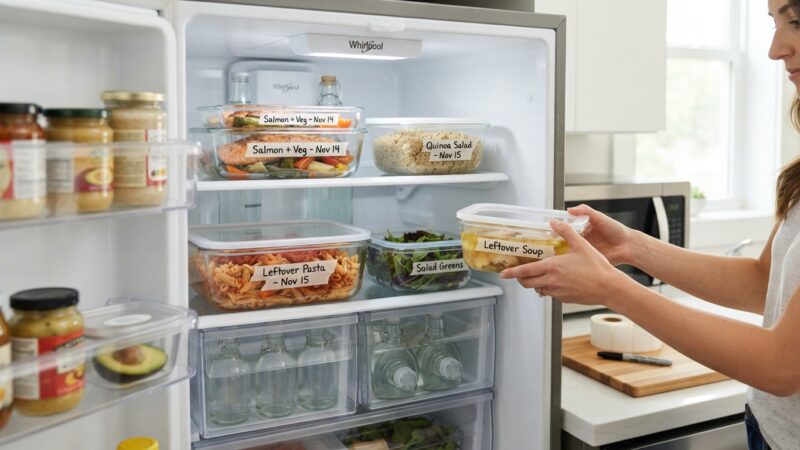
- Label everything: Use masking tape and a permanent marker to date your containers. You’ll never wonder if that soup is from Tuesday or two weeks ago.
- Use sheet pans: Roast an entire meal—proteins and veggies—on one pan. Minimal cleanup, maximum flavor.
10 Genius Kitchen Organization Ideas
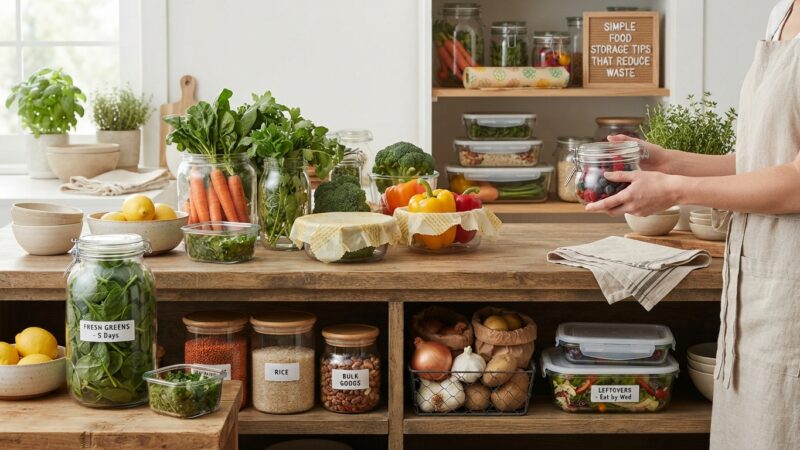
An organized kitchen is an efficient kitchen. Start with your pantry. Group similar items together: all baking supplies on one shelf, canned goods on another. Use clear bins for small packets and spice jars to avoid the “where did I put the cumin?” scramble.
For fridge organization, dedicate one shelf to leftovers and prepped items. This “eat me first” zone reminds you to use what you’ve made. It’s a simple kitchen efficiency trick that fights food waste. You can find more organizational advice in our kitchen tips and meal prep section.
Magnetic strips for knives keep them accessible and free up drawer space. A lazy Susan for oils and vinegars makes reaching the back of the counter easy. Small changes like these can make your workspace feel twice as large.
Ingredient Substitutions You’ll Wish You Knew Sooner
Running out of an ingredient mid-recipe is frustrating. But most substitutions work beautifully if you know the ratios. Here’s a quick reference table for common swaps:
| Missing Ingredient | Best Substitute | Ratio |
|---|---|---|
| Buttermilk | Milk + vinegar or lemon juice | 1 cup milk + 1 tbsp acid |
| Egg (for baking) | Mashed banana or applesauce | ¼ cup per egg |
| Heavy cream | Milk + melted butter | ¾ cup milk + ¼ cup butter |
| Soy sauce | Coconut aminos | 1:1 ratio |
| Sour cream | Greek yogurt | 1:1 ratio |
These ingredient substitutions are lifesavers when you’re in the middle of baking or cooking a stew. They also help if you’re following a specific diet. For low-carb or gluten-free baking, consider using almond flour or coconut flour—just adjust liquid amounts. If you’re exploring special diets, browse our healthy and special diet recipes for ideas.
How to Cook More Efficiently (Without Stressing Out)
Cooking efficiently isn’t about rushing—it’s about smart sequencing. Start by reading the entire recipe before you touch a pan. Then, gather and prep all ingredients (this is called mise en place). It sounds fancy, but it simply means “everything in its place.”
While the water boils or the oven preheats, wash and chop produce. While that simmers, clean the cutting board. Multitasking done right reduces cleanup later. Pair this approach with fast recipes from our desserts and baking collection to make weekend treats without the mess.
Use timers religiously, even for “I’ll remember” tasks like toasting nuts. And don’t be afraid to repurpose leftovers: turn last night’s roasted chicken into today’s chicken salad, tacos, or soup. Efficiency is just home cook tips applied with a little foresight.
FAQ: Most Searched Kitchen Tips Answered
1. How can I keep my knives sharp longer?
Use a honing steel before each use, hand wash them (dishwashers dull blades), and store them in a knife block or on a magnetic strip. Avoid cutting on glass or stone surfaces.
2. What’s the best way to store fresh herbs?
Treat them like flowers. Trim the stems, place in a jar with an inch of water, cover loosely with a plastic bag, and refrigerate. Basil prefers room temperature, though.
3. How do I prevent onions from making me cry?
Chill the onion for 15 minutes before cutting, or cut it under a running faucet. A sharp knife also helps—dull blades crush cells and release more irritants.
4. Can I freeze milk and eggs?
Yes! Freeze milk in ice cube trays for smoothies. Eggs must be beaten (yolk and white together) and stored in a freezer bag. Do not freeze eggs in the shell.
5. What’s the easiest way to soften butter quickly?
Cut butter into small cubes and let it sit at room temperature for 10 minutes. Alternatively, place it between two sheets of wax paper and roll it with a rolling pin.
6. How can I make my food taste restaurant-quality?
Season in layers: add salt at the beginning, middle, and end of cooking. Finish dishes with fresh herbs, a squeeze of lemon, or flaky sea salt. A splash of acid brightens everything.
7. What’s the secret to perfect scrambled eggs?
Low and slow heat, constant stirring, and butter. Take them off the heat when they still look slightly wet—they’ll finish cooking from residual heat.
8. How do I stop my cutting board from sliding?
Place a damp paper towel or a silicone mat underneath. This simple trick keeps the board steady and safe.
Final Thoughts: Make These Tips Your Second Nature
You don’t need a culinary degree to cook like a pro. Start with just two or three of these most searched kitchen tips and incorporate them into your weekly routine. Within a month, they’ll feel automatic.
Cooking should be enjoyable, not a chore. When you sharpen your knife properly, organize your pantry, and master a few substitutions, you free up mental energy to actually enjoy the process. If you’re looking for more structured guidance, our entire kitchen tips and meal prep category is packed with actionable articles.
Now, grab your chef’s knife, prep those veggies, and cook something amazing tonight.