Easy Polish Recipes That Taste Like Home Cooking
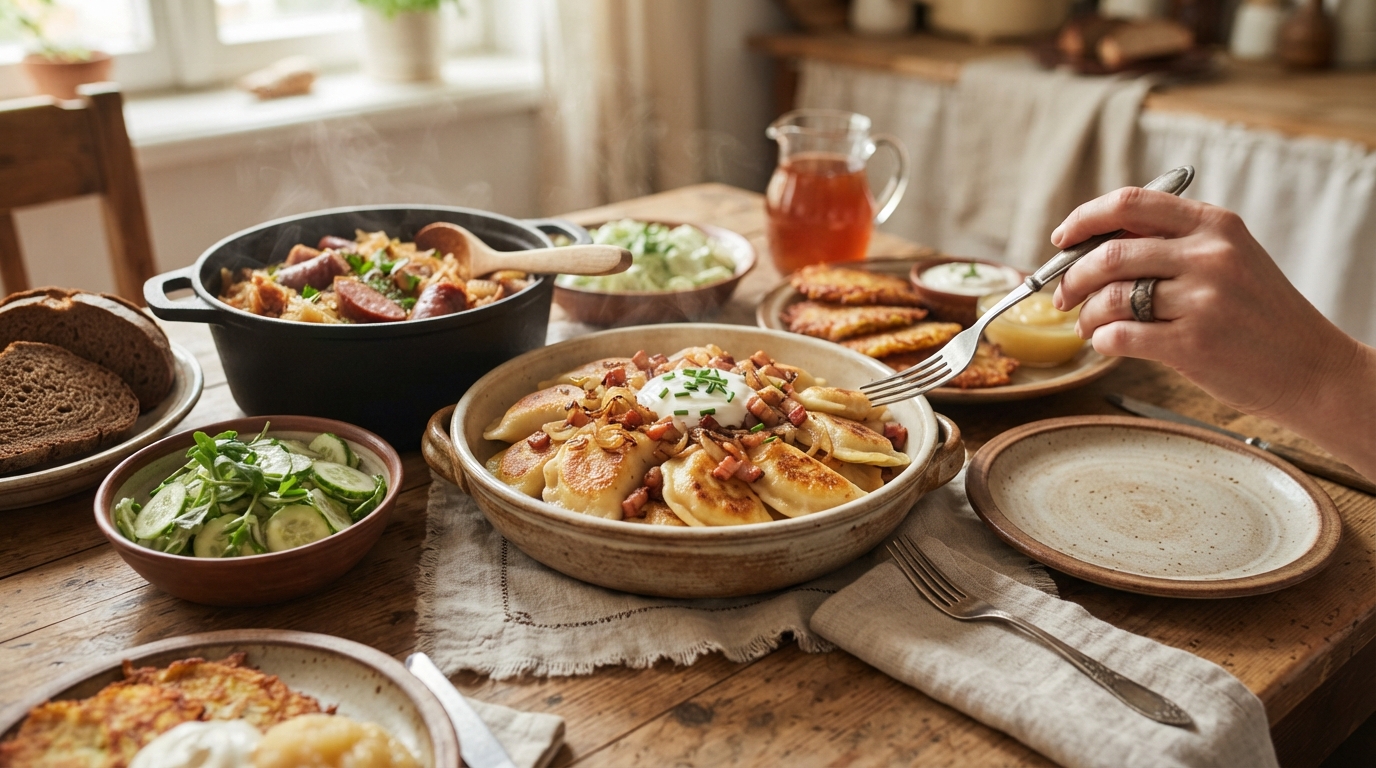
Polish home cooking is all about hearty flavors, simple techniques, and ingredients you probably already have in your pantry. Think creamy dill sauces, tender dumplings, and slow-simmered stews that make the whole kitchen smell amazing.
If you’ve ever wanted to recreate that cozy, grandmother-style meal without spending all day in the kitchen, you’re in the right place. These easy Polish recipes bring authentic taste to your table with minimal fuss.
Whether you’re new to traditional Polish dishes or looking for weeknight-friendly versions of classics, this guide covers everything from pierogi to bigos. Let’s get cooking.
Why Polish Food Is Perfect for Home Cooks
Polish cuisine relies on pantry staples like potatoes, cabbage, beets, sour cream, and mushrooms. There’s no need for exotic spices or complicated equipment. Most recipes are naturally gluten-free adaptable or vegetarian-friendly with small tweaks.
The cooking methods are straightforward: boil, simmer, bake, or pan-fry. That makes these dishes ideal for busy weeknights or lazy weekends. And because Polish food is meant to be shared, portions are generous and leftovers taste even better.
For more time-saving meal ideas that fit a busy schedule, check out our collection of quick and easy recipes that work perfectly alongside these Polish classics.
Pierogi: The Ultimate Polish Comfort Food
Pierogi are stuffed dumplings that can be filled with savory or sweet ingredients. The classic version uses a simple dough of flour, water, and egg, then fills with potato and cheese (called ruskie), sauerkraut and mushroom, or even blueberries and sugar.
Don’t be intimidated by the folding. If you can make ravioli or empanadas, you can make pierogi. Boil them until they float, then pan-fry in butter with onions until golden. Serve with a dollop of sour cream and fresh dill.
For a quicker shortcut, use store-bought wonton wrappers. The taste is still incredibly authentic, and you save the rolling time.
Bigos (Hunter’s Stew): Deep Flavor with Little Effort
Bigos is Poland’s national stew, made with sauerkraut, fresh cabbage, and a mix of meats like kielbasa, pork, and beef. The secret is time — it develops richness as it simmers, but the hands-on work is under 20 minutes.
Brown your meat in a large pot, add shredded cabbage, sauerkraut, dried mushrooms, and a touch of tomato paste. Let it bubble on low for 1-2 hours. The result is a thick, tangy, deeply savory stew that warms you from the inside out.
Bigos pairs beautifully with crusty rye bread or boiled potatoes. It also freezes perfectly, so make a double batch.
Classic Polish Soups That Heal and Satisfy
No Polish table is complete without a bowl of soup. Polish comfort food starts with broth-based soups that are light yet filling. Try żurek (sour rye soup with sausage and egg) or barszcz czerwony (beetroot soup served with uszka dumplings).
Zupa ogórkowa (pickled cucumber soup) is another gem. It’s creamy, tangy, and comes together in 30 minutes using dill pickles, potatoes, and sour cream. The flavor is surprisingly mild and addictive.
These soups are excellent starters, but they also work as a full meal when paired with dark bread. For more globally inspired soup ideas, explore our international cuisine section.
Gołąbki (Stuffed Cabbage Rolls) Made Easy
Gołąbki are cabbage leaves stuffed with a mixture of ground meat, rice, and onions, then simmered in tomato sauce. They sound labor-intensive, but a few tricks simplify the process.
Freeze the whole head of cabbage overnight, then thaw it. The leaves will peel off easily without boiling. Mix your filling, roll the leaves, and nestle them in a baking dish with tomato sauce. Bake covered for 1 hour at 350°F.
The result is tender, savory rolls that taste like they bubbled on the stove all day. Serve with mashed potatoes to soak up the sauce.
Simple Polish Sides and Salads
Polish meals often feature simple, vibrant sides. Mizeria is a cucumber salad with sour cream, dill, and a pinch of sugar. It’s crisp, refreshing, and takes 5 minutes to assemble.
Another staple is ćwikła — grated cooked beets mixed with horseradish. It adds a punchy, earthy kick to any plate. Boiled potatoes with fresh dill and butter are also non-negotiable alongside most mains.
These sides are naturally low-calorie and packed with vegetables, making them a great fit for those who enjoy healthy recipes and special diet plans.
Popular Polish Desserts Worth the Calories
Polish desserts are rustic and not overly sweet. Sernik (Polish cheesecake) uses twaróg cheese or farmer’s cheese for a dense, creamy texture. Makowiec is a poppy seed roll that is traditional during holidays but delicious year-round.
For a quick treat, make racuchy — small apple-filled pancakes fried until golden. Dust them with powdered sugar and serve with cinnamon. They’re ready in 15 minutes and always a hit.
If you love baking and want more sweet inspiration, visit our desserts and baking collection for more Polish-style treats.
Quick Reference: Ingredients for 5 Classic Polish Dishes
| Dish | Main Ingredients | Prep Time | Cook Time |
|---|---|---|---|
| Pierogi (Ruskie) | Flour, egg, potatoes, farmer’s cheese, onion | 30 min | 15 min |
| Bigos | Sauerkraut, cabbage, kielbasa, pork, mushrooms | 20 min | 90 min |
| Żurek | Sour rye starter, sausage, egg, potatoes | 15 min | 40 min |
| Gołąbki | Cabbage, ground pork, rice, tomato sauce | 30 min | 60 min |
| Mizeria | Cucumber, sour cream, dill, sugar, vinegar | 5 min | 0 min (chill) |
Tips for Authentic Polish Cooking at Home
- Always use high-quality sour cream — it’s the backbone of many sauces and soups.
- Fresh dill and chives elevate every dish instantly. Don’t skip them.
- Kielbasa is versatile: add it to stews, slice it into soups, or pan-fry it with onions.
- Season conservatively at first. Polish food relies on natural flavors, not heavy spices.
- For the fluffiest pierogi dough, let it rest for 20 minutes before rolling.
For advanced techniques on perfecting doughs and sauces, websites like New York Times Cooking offer excellent tutorials on pasta and dumpling basics that translate well to Polish recipes.
Frequently Asked Questions (FAQ)
Are Polish recipes difficult for beginners?
Not at all. Start with soup or pierogi using store-bought wrappers. The techniques are simple, and most ingredients are easy to find. Once you get comfortable, move to stews and stuffed cabbage.
Can I make Polish food vegetarian?
Yes. Many traditional Polish dishes are naturally vegetarian or easy to adapt. Replace meat with mushrooms in bigos, use potato and cheese filling in pierogi, and skip sausage in żurek by using vegetable broth.
What is the most popular Polish dish worldwide?
Pierogi is the most recognized Polish dish globally. However, bigos and kielbasa run a close second. Each region in Poland has its own twist on these classics.
How long does bigos last in the fridge?
Bigos keeps well for up to 5 days in an airtight container. In fact, it tastes better on day two or three as the flavors meld. It also freezes beautifully for up to 3 months.
What can I use instead of farmer’s cheese for pierogi?
Ricotta cheese or well-drained cottage cheese works great. You can also use feta mixed with mashed potatoes for a saltier, tangier filling.
Is Polish food healthy?
Polish cuisine uses fresh vegetables, fermented foods (sauerkraut, pickles), and lean meats. While some dishes are rich in butter and sour cream, you can easily lighten them with yogurt and less oil.
Do I need special equipment for Polish cooking?
No. A large pot, a skillet, and a baking dish are enough for most recipes. A pierogi press or a pastry cutter can help, but they are optional.
What side dishes go with Polish mains?
Boiled potatoes with dill, cucumber salad (mizeria), beetroot salad, and crusty rye bread are classic pairings. A simple green salad also works.
Conclusion
Authentic Polish cooking doesn’t require a trip to Kraków or a grandmother’s handwritten recipe book. With a few pantry ingredients and basic skills, you can bring the warmth of Polish home cooking to your own kitchen.
Start with one dish — maybe pierogi or mizeria — and build from there. These simple Polish dinners are forgiving, flavorful, and made to be enjoyed with family. Once you taste the combination of buttery dumplings, tangy sauerkraut, and creamy dill sauce, you’ll understand why Polish comfort food has stood the test of time.
If you’re looking for more tips on prepping ingredients ahead of time, don’t forget to browse our kitchen tips and meal prep guides to make your Polish cooking even smoother.
And if a low-carb version of these comfort foods sounds appealing, confira esta opção de pães e sobremesas keto for satisfying alternatives that still feel indulgent.