How to Cook Authentic Lebanese Food Step by Step
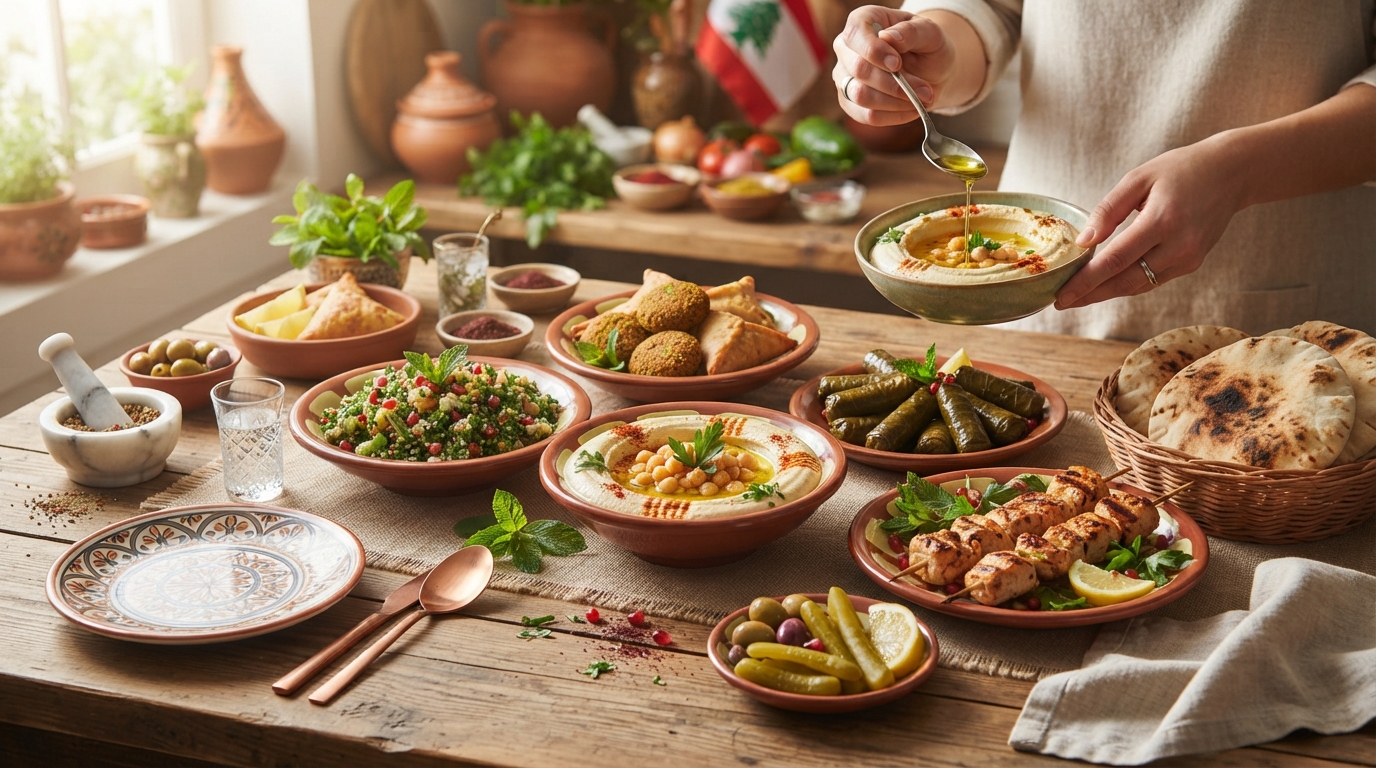
Lebanese food is all about fresh vegetables, bold herbs, creamy chickpeas, and perfectly spiced meats. It’s one of the most beloved Mediterranean cuisines, and for good reason: the balance of tangy, savory, and aromatic flavors is unforgettable.
If you’ve ever wondered how to cook authentic Lebanese food step by step, you’re in the right place. This guide walks you through the essential techniques, staple ingredients, and classic dishes that define home-style Lebanese cooking. No fancy equipment required—just good ingredients and a little patience.
By the end of this article, you’ll be confident enough to whip up a full Lebanese meze spread that would make any grandma proud. Let’s start from the pantry.
What You Need in a Lebanese Pantry
Before you fire up the stove, stock your kitchen with the basics. The beauty of Lebanese recipes from scratch is that they rely on simple, widely available ingredients.
- Extra virgin olive oil – the heart of almost every dish.
- Lemons – fresh juice is non-negotiable.
- Garlic – lots of it, minced or crushed.
- Sumac – a tangy, deep red spice that gives dishes a citrusy kick.
- Tahini – sesame paste for sauces and dips.
- Bulgur wheat – fine and coarse, used in tabbouleh and kibbeh.
- Chickpeas – dried or canned, for hummus and falafel.
- Pita bread – the scooping vessel for everything.
Having these on hand means you’re always 20 minutes away from a delicious meal. Many of these ingredients are also common in other international cuisine staples, so you’ll get plenty of use out of them.
Step 1: Master the Perfect Hummus
Hummus is the gateway dish to Lebanese cooking. It’s simple, but the texture makes all the difference. Start by blending canned chickpeas (rinsed and drained) with tahini, lemon juice, garlic, and a pinch of salt.
The secret? Add an ice cube or two while blending. This makes the hummus incredibly light and creamy. Drizzle olive oil on top and sprinkle sumac or paprika. Serve immediately with warm pita.
Once you nail hummus, you’ll have the confidence to tackle more complex Lebanese dishes. It also pairs beautifully with a healthy, plant-based meal plan.
Step 2: Make a Restaurant-Quality Tabbouleh
Tabbouleh is often misunderstood. The star here is the parsley, not the bulgur. For an authentic version, use flat-leaf parsley, fresh mint, ripe tomatoes, finely chopped onion, and a tiny amount of fine bulgur.
How to cook authentic Lebanese food step by step means respecting the ratio: about 2 cups parsley to 1 tablespoon bulgur. Dress it with olive oil, lemon juice, salt, and pepper. Let it sit for 10 minutes before serving so the flavors meld.
The result is a refreshing, herb-forward salad that cuts through heavier dishes like grilled meat or fried kibbeh.
Step 3: Create Silky Baba Ghanoush
This smoky eggplant dip is a crowd-pleaser. Roast whole eggplants over a gas flame or under a broiler until the skin is charred and the inside is soft. Let them cool, then scoop out the flesh.
Mash the eggplant with tahini, lemon juice, garlic, and a splash of olive oil. Some people add yogurt for extra creaminess, but purists skip it. The smoky flavor is what makes baba ghanoush distinct from hummus.
Serve it as part of a meze platter alongside radishes, olives, and pickled turnips. For more ideas on building a spread, check out kitchen tips for better meal prep.
Step 4: Perfect Spiced Shawarma at Home
Chicken shawarma is probably the most requested Lebanese dish. The key is the marinade. Combine olive oil, lemon juice, garlic, cumin, coriander, paprika, turmeric, cinnamon, and a pinch of cardamom.
Slice chicken thighs thinly, coat them in the marinade, and let them rest for at least 2 hours (overnight is better). Cook on a high-heat grill pan or in a cast-iron skillet until charred and tender.
Serve the shawarma in warm pita with garlic sauce (toum), pickles, and a handful of fresh veggies. For a lighter version, skip the bread and serve over a bed of greens—perfect if you’re exploring healthy special diet recipes.
Step 5: Whip Up Garlic Toum in Minutes
Toum is Lebanon’s answer to aioli, but way punchier. It’s a creamy emulsion of garlic, lemon juice, oil, and salt. In a food processor, blend peeled garlic cloves with lemon juice and salt. Slowly drizzle in neutral oil (or olive oil for a stronger flavor) until it turns thick and white.
The trick? Add an ice cube if it threatens to split. Toum is aggressive on garlic, so use it sparingly unless you’re a true enthusiast. It keeps in the fridge for up to two weeks.
This sauce is non-negotiable for shawarma, grilled chicken, or even roasted potatoes. If you’re on a low-carb diet, toum is naturally keto-friendly and pairs perfectly with keto-friendly bread alternatives and desserts.
Step 6: Don’t Forget the Rice Pilaf (Riz a Djej)
Lebanese rice pilaf is simple but aromatic. Rinse long-grain rice, then sauté it in butter or oil with vermicelli noodles until golden. Add chicken broth, a pinch of cinnamon, and salt. Cover and cook on low until fluffy.
This rice is traditionally served with chicken or lamb stews. The vermicelli gives it a nutty flavor and a slight crunch. Get the ratio right: 1 cup rice to 1.5 cups liquid for perfectly separate grains.
If you’re looking for a complete meal solution, this rice also works well alongside stews from the quick and easy recipes section.
Essential Lebanese Dishes at a Glance
| Dish | Main Ingredients | Best Served With |
|---|---|---|
| Hummus | Chickpeas, tahini, lemon, garlic | Pita bread, olive oil drizzle |
| Tabbouleh | Parsley, mint, tomato, bulgur | Grilled meats, lettuce cups |
| Baba Ghanoush | Eggplant, tahini, lemon | Veggie sticks, pita chips |
| Chicken Shawarma | Chicken thighs, shawarma spices | Toum, pickles, pita |
| Toum | Garlic, lemon, oil | Any grilled protein |
This table is your quick reference when planning a Lebanese dinner. Mix and match for a balanced spread.
FAQ: Authentic Lebanese Cooking Questions
1. Is Lebanese food healthy?
Yes. Most traditional Lebanese cooking methods rely on fresh vegetables, legumes, lean meats, and olive oil. It’s naturally high in fiber and antioxidants.
2. Can I make Lebanese food vegan?
Absolutely. Dishes like hummus, baba ghanoush, tabbouleh, and mujadara (lentils and rice) are naturally plant-based. Skip the meat and double up on meze.
3. What is the most important Lebanese spice?
Sumac. It’s used in salads, meats, and dips for its tangy, lemony flavor without the acidity of citrus. It’s irreplaceable in authentic cooking.
4. Do I need a special oven for Lebanese bread?
No. You can make pita bread in a standard oven or even on a dry skillet. But store-bought pita works just fine for beginners.
5. How long does homemade toum last?
In an airtight jar in the fridge, toum stays fresh for up to 2 weeks. The garlic flavor actually mellows and becomes more rounded after a day.
6. Can I substitute bulgur in tabbouleh?
For an authentic taste, use fine bulgur. Quinoa is a modern gluten-free substitute, but the texture will be different.
7. What is the best cut of meat for shawarma?
Chicken thighs or beef sirloin. Thighs stay juicier. For lamb, use shoulder. Always slice thinly against the grain after cooking.
8. Why is my hummus grainy?
You likely didn’t blend it long enough, or you used cold chickpeas. Warm the chickpeas and blend for a full 2-3 minutes. Adding a pinch of baking soda while boiling dried chickpeas also helps.
Conclusion
Cooking Lebanese food at home isn’t complicated. It just requires fresh ingredients, a few key spices, and a willingness to layer flavors. Once you understand how to cook authentic Lebanese food step by step, you’ll see how simple and rewarding it is.
Start with one dish at a time. Master hummus, then move to tabbouleh, then tackle shawarma. Before you know it, you’ll be hosting meze nights that taste like a trip to Beirut.
And remember: the best Lebanese food is made with generosity. Share it with friends, eat with your hands, and always have extra pita on hand.