Best Carrot Cake Recipes With Cream Cheese Frosting
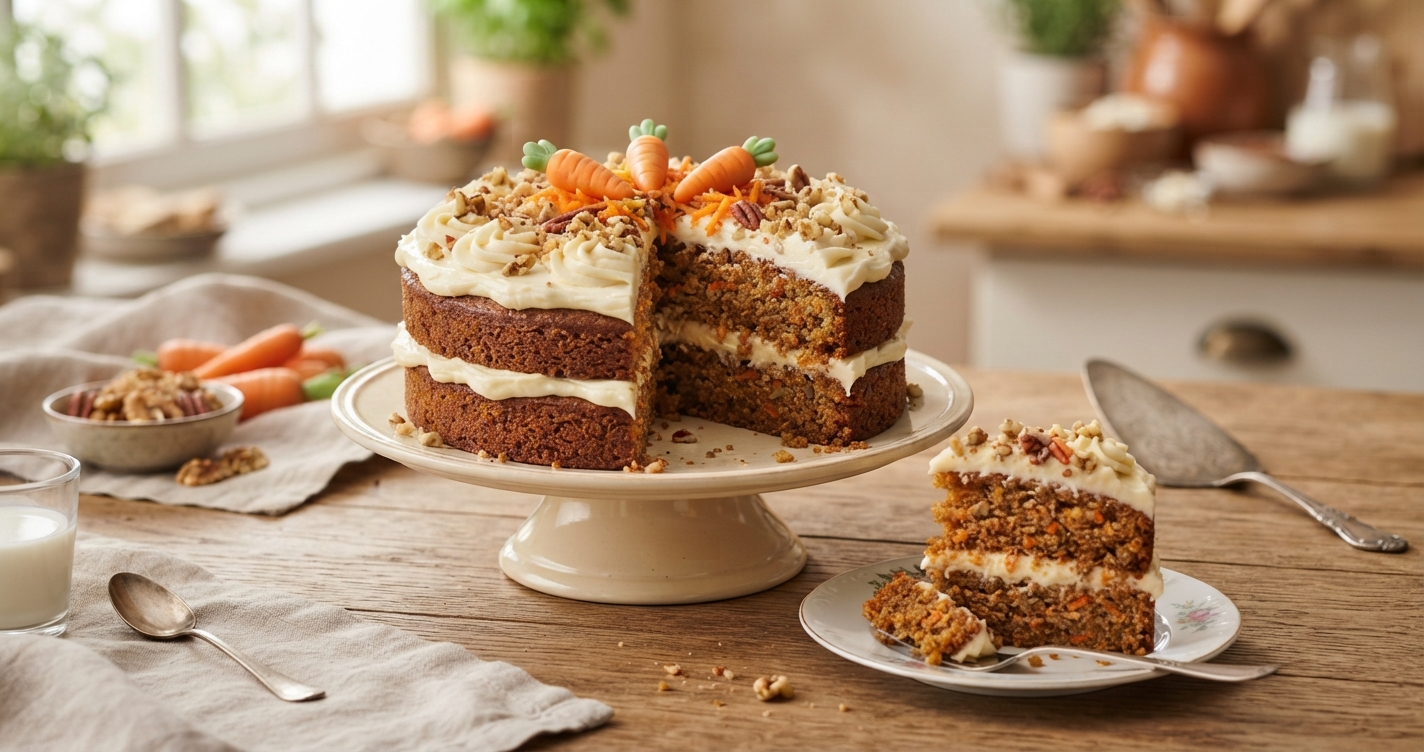
Few desserts deliver the perfect balance of spice, sweetness, and texture like a slice of carrot cake. When you top it with a tangy, velvety cream cheese frosting, it becomes an instant showstopper. Whether you’re planning a birthday party, a Sunday brunch, or just a cozy treat, these best carrot cake recipes with cream cheese frosting will guide you to baking success.
Carrot cake often gets a reputation for being “healthy,” but let’s be honest—it’s really about the indulgent layers. The key is achieving a moist crumb that stays tender for days. With the right technique and ingredients, you can nail that bakery-quality result right from your home oven.
In this guide, I’ll share my top variations, expert tips for a fluffy cake, and the secrets behind a foolproof cream cheese frosting. I’ve tested these methods over years of baking, and they consistently deliver stellar results. Let’s dive in.
Why Classic Carrot Cake Remains a Crowd Favorite
Carrot cake has been a staple in American home baking for decades. Its unique combination of warm spices, grated carrots, and nuts creates a texture that feels both rustic and refined. The cream cheese frosting adds a tangy contrast that cuts through the sweetness, making every bite perfectly balanced.
Another reason it’s so beloved is its versatility. You can serve it as a sheet cake for a potluck, as elegant layered rounds for a wedding, or even as cupcakes for kids. It also keeps beautifully, often tasting even better on the second day after the flavors have melded.
If you’re new to baking from scratch, check out our collection of simple desserts and baking recipes to build your confidence before tackling a layered cake.
For those who prefer a lighter option, we also have a section dedicated to healthy and special diet recipes that reimagine classic treats with whole grains and natural sweeteners.
Key Ingredients for the Most Moist Carrot Cake
Moisture is the holy grail of any great carrot cake. Without it, the cake can turn dry and crumbly within hours. The secret lies in a few specific ingredients:
- Oil instead of butter – Oil stays liquid at room temperature, keeping the cake moist longer than butter ever could.
- Pineapple (crushed, well-drained) – Adds natural sweetness and a tender crumb.
- Freshly grated carrots – Pre-shredded carrots are too dry; always grate them yourself for maximum moisture.
- Buttermilk or sour cream – The acidity tenderizes gluten and reacts with baking soda for a light rise.
- Brown sugar – Provides deep molasses notes and extra moisture compared to white sugar alone.
If you enjoy recipes that use simple pantry staples, take a look at our category for quick and easy recipes — many of them rely on the same types of everyday ingredients.
Variations on the Best Carrot Cake Recipes With Cream Cheese Frosting
Not all carrot cakes are created equal. Over the years, I’ve developed four standout versions that different readers swear by. Here’s a quick comparison to help you choose:
| Version | Key Twist | Best For | Texture |
|---|---|---|---|
| Classic Layered | Toasted walnuts, raisins | Birthday parties | Moist, dense |
| Pineapple-Coconut | Crushed pineapple, shredded coconut | Summer gatherings | Very tender |
| Spice-Heavy | Extra cinnamon, nutmeg, cloves | Fall celebrations | Fragrant, rich |
| Whole-Wheat | White whole-wheat flour, less sugar | Everyday snacking | Denser, hearty |
Each of these recipes can be adapted to a 9×13 pan or a bundt mold. Just adjust the baking time by about 10 minutes for thinner cakes, and always test with a toothpick.
For more international takes on this dessert, browse our international cuisine recipes where you’ll find versions from the Caribbean, the Middle East, and beyond.
How to Make Foolproof Cream Cheese Frosting
A great cream cheese frosting is thick enough to pipe but soft enough to spread. The number one mistake home bakers make is using cream cheese straight from the fridge, which creates a lumpy, runny mess.
Follow these steps for perfect results every time:
1. Soften the cream cheese – Let it sit on the counter for 30 to 45 minutes. It should yield to gentle pressure from your finger.
2. Beat butter and cream cheese together – Use a 1:1 ratio by weight. Beat until completely smooth, scraping the bowl often.
3. Add powdered sugar slowly – Sift it first to avoid lumps. Add in three batches, mixing on low speed.
4. Finish with vanilla and a pinch of salt – Salt balances the sweetness and enhances the tangy flavor.
5. Chill before spreading – Refrigerate the finished frosting for 15 minutes if it feels too soft.
If your frosting breaks or curdles, it’s likely because the cream cheese was too cold. Another possibility is overmixing after adding the sugar. You can rescue it by warming the bowl slightly over a pan of warm water and re-whisking.
For further reading on the science of dairy in baking, Serious Eats has an excellent deep dive on cream cheese behavior that explains the fat and water content dynamics.
Baking Tips for Even Layers and Perfect Texture
Lopsided layers are the enemy of a beautiful cake. To avoid them, always weigh your batter into each pan using a kitchen scale. Even a 50-gram difference can cause one layer to dome while the other stays flat.
Baking strips (cloth strips soaked in cold water wrapped around the pan) help the cake bake evenly, reducing the dome. Alternatively, you can bake at 325°F instead of 350°F — the lower temperature slows the rise and prevents cracking.
Cooling is equally important. Let the layers rest in the pan for 10 minutes, then turn them out onto a wire rack. Wrap them in plastic wrap while still slightly warm; this traps steam and locks in moisture. Once completely cool, refrigerate them for an hour before frosting. A cold cake crumb less and accepts frosting more cleanly.
If you’re in a rush to improve your baking workflow, our kitchen tips and meal prep guides are packed with time-saving hacks that apply to all kinds of dessert projects.
Storing and Freezing Carrot Cake With Cream Cheese Frosting
Carrot cake stores beautifully, but cream cheese frosting requires some care. Because cream cheese is dairy-based, you should refrigerate any frosted cake within two hours of serving.
How to store:
Place the cake in an airtight container or wrap it loosely in plastic wrap, then foil. It will keep in the refrigerator for up to four days. Let it sit at room temperature for 20 minutes before serving to soften the frosting.
How to freeze:
You can freeze the unfrosted layers for up to three months. Wrap each layer individually in plastic wrap, then a layer of foil. When ready to use, thaw overnight in the fridge, then bring to room temperature before frosting.
Frosted cake can also be frozen, but the texture of the frosting may become slightly grainy upon thawing. If you plan ahead, freezing the layers unfrosted is your best bet for that fresh-from-the-oven taste.
Frequently Asked Questions
1. Can I replace oil with applesauce in carrot cake?
Yes, you can substitute applesauce for half of the oil. Using all applesauce will make the cake denser and less tender. For a healthier twist, try a half-and-half ratio.
2. Why is my cream cheese frosting runny?
Usually because the cream cheese was too cold or the butter was too warm. Make sure both are at a cool room temperature (about 68°F). Also, avoid overbeating once the sugar is added.
3. Do I really need to drain the pineapple?
Absolutely. Undrained pineapple adds too much liquid, which can make the cake soggy and cause it to sink in the middle. Drain it thoroughly and pat it dry with paper towels.
4. Can I make carrot cake without nuts?
Yes. Simply omit the walnuts or pecans. The texture will be slightly less crunchy, but the cake will still be delicious. You can also substitute raisins or dried cranberries.
5. How fine should I grate the carrots?
Use the smallest holes on a box grater — about the size of shredded cheese. Larger shreds won’t blend into the batter properly and can create wet spots in the baked cake.
6. What is the best pan size for this recipe?
Three 8-inch round pans work best for a tall layered cake. For a single-layer sheet cake, a 9×13 pan is ideal. Adjust baking time by checking doneness at 25 minutes.
7. Can I use a gluten-free flour blend?
Yes, but choose a 1-to-1 gluten-free blend that contains xanthan gum. The cake will be slightly more delicate, so handle it gently when layering.
8. Why does my carrot cake crack on top?
Cracking often happens from baking at too high a temperature. Try lowering your oven to 325°F and placing a pan of water on the rack below to add steam.
Conclusion
Mastering the best carrot cake recipes with cream cheese frosting is about understanding the balance of moisture, spice, and tang. Whether you stick with the classic version or experiment with pineapple, coconut, or whole-wheat flour, the core principles remain the same: use oil for tenderness, grate fresh carrots, and never skimp on the quality of your cream cheese.
Baking is a journey, and each attempt teaches you something new. If you run into issues like a sunken middle or a runny frosting, don’t get discouraged. Refer back to the tips in this article, adjust your oven temperature or ingredient temperatures, and try again. The reward is a stunning, homemade cake that beats any bakery version.
If you’re looking for even more dessert inspiration, check out the recommended Keto breads and keto desserts collection here for a low-carb twist on your favorite sweets.
Now preheat that oven, pull out your mixing bowls, and get ready to bake the best carrot cake of your life. Your family and friends will thank you.