Kitchen Mistakes That Are Wasting Your Time and Money

You’ve been cooking for years, so why does dinner still take twice as long as the recipe says? And why is your grocery bill so high even though you barely eat out?
The answer might be hiding in plain sight: small, repeated kitchen mistakes that are quietly wasting your time and money. The good news is that most of these errors are easy to fix once you know what to look for.
In this article, we’ll walk through the most common pitfalls home cooks fall into, with meal prep tips and practical strategies to help you cook smarter, not harder. Whether you’re a beginner or a seasoned home chef, these insights will tighten up your routine and stretch your budget.
1. You’re Not Prepping Ingredients Before You Start Cooking
Opening the fridge mid-recipe to chop an onion while oil is smoking in the pan is a recipe for stress. This mistake leads to burnt food, rushed cuts, and extra cleanup time.
Professional chefs call this mise en place — everything in its place. Home cooks often skip it to save time, but it backfires. You end up juggling tasks and making mistakes that waste ingredients.
Spend just five minutes reading the entire recipe first. Wash, chop, and measure everything before you turn on the stove. You’ll cook faster, cleaner, and with far less frustration.
For more structured planning, check out our full collection of kitchen tips and meal prep strategies to streamline your workflow.
2. Using the Wrong Knife for the Job
A dull chef’s knife or a tiny paring knife for a butternut squash makes prep slow and dangerous. You push harder, slip more often, and end up with uneven pieces that cook poorly.
Invest in one good 8-inch chef’s knife and keep it sharp. A sharp knife cuts cleanly and requires less force, reducing the risk of accidents. You’ll also cut prep time in half.
If you feel overwhelmed by knife skills, practice on softer veggies like zucchini or bell peppers first. Even ten minutes of practice a week will transform your speed and confidence in the kitchen.
3. Overcrowding the Pan (and Under-searing Your Food)
Throwing too much chicken or vegetables into a hot pan drops the temperature instantly. Instead of searing, your food steams. You lose texture, flavor, and color — and often end up with a soggy mess.
This mistake is one of the most common home cooking errors that leads to disappointing results. You might even throw away overcooked or bland food, literally throwing money in the trash.
Cook in batches. Leave at least an inch of space between pieces in the pan. Yes, it takes a few extra minutes, but the end result is far superior. You’ll actually enjoy eating what you made.
4. Buying Pre-cut Produce Out of Habit
Pre-cut onions, cubed butternut squash, and shredded lettuce seem like time-savers. But the markup on these items is often 30% to 50%. Over a year, that convenience adds up to hundreds of dollars.
A whole head of lettuce costs about half the price of a bag of pre-washed salad. A whole pineapple is significantly cheaper than the pre-cut version. And most of these items last longer whole too.
Set aside one hour on the weekend to batch-chop your own produce. Store it in airtight containers. You’ll save money, reduce plastic waste, and always have ready-to-cook veggies on hand.
If you’re looking for fast, affordable meals that use whole ingredients, explore our quick and easy recipes — they’re designed for real-world schedules.
5. Ignoring Your Freezer (and Letting Food Go Bad)
Fresh herbs wilt in three days, leftover soup gets pushed to the back of the fridge, and that pack of chicken breasts turns sad and gray. This is the silent budget killer in most kitchens.
A study from Serious Eats highlights that proper freezing techniques preserve both flavor and texture — but most people simply toss food in without wrapping it well. Freezer burn ruins food quality, leading to more waste.
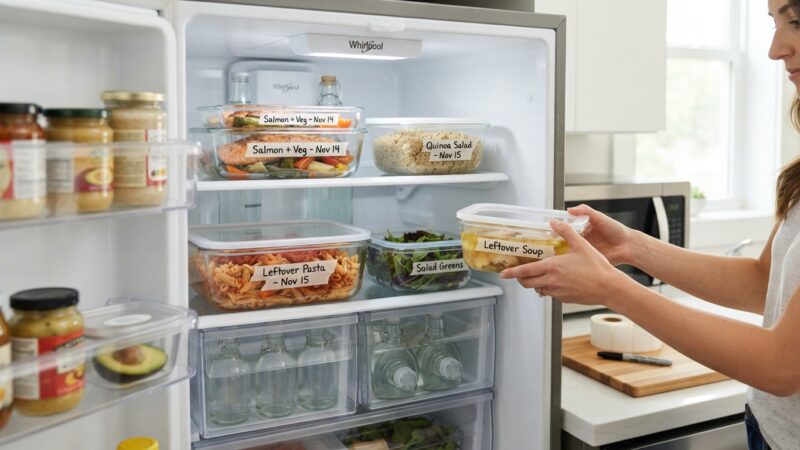
Freeze leftovers in single portions. Use freezer-safe bags and squeeze out as much air as possible. Label everything with a date and contents. You’ll have ready-made lunches for busy days and zero waste.
Keep a list on your fridge of what’s in the freezer. Plan one “freezer cleanout” meal each week to rotate stock and save money naturally.
6. Measuring Incorrectly (Especially Dry Ingredients)
Scooping flour straight from the bag with a measuring cup packs it down, adding up to 20% more flour than intended. That leads to dry cakes, dense breads, and wasted ingredients that you’ll have to redo.
Use the spoon-and-level method: spoon flour into the cup, then level it off with a knife. For brown sugar, pack it firmly. For liquids, always check at eye level. These tiny habits prevent recipe failures.
Accuracy isn’t just for baking. Even savory recipes like soups and stews rely on proper ratios. One wrong measurement can throw off an entire batch.
For more precision in your cooking, check out our international cuisine recipes — many of them teach you authentic techniques that rely on proper measurements.
7. Not Letting Your Pan Get Hot Enough
A cold pan means food sticks, proteins seize up, and you lose that beautiful golden crust. You compensate by adding more oil, which increases calories and cost — and still doesn’t fix the texture.
Heat your pan for 2–3 minutes over medium-high before adding oil. When the oil shimmers or a drop of water dances across the surface, you’re ready. This simple change transforms your cooking overnight.
Stainless steel and cast-iron pans need this preheating step the most. Non-stick pans need less heat, but still benefit from a brief warm-up.
Table: Quick Fixes for Common Kitchen Mistakes
| Mistake | Time Wasted | Money Lost | Quick Fix |
|---|---|---|---|
| Skipping prep | 10–20 min per meal | Burned or wasted food | 5 min of mise en place |
| Dull knife | 5–15 min per meal | Uneven cuts = wasted food | Sharpen once a month |
| Overcrowding pan | None (but food quality suffers) | Soggy food gets thrown out | Cook in batches |
| Pre-cut produce habit | 5 min saved per meal | 30–50% markup | Batch chop on weekends |
| Not freezing properly | – | $20–$50 per month waste | Use airtight, labeled bags |
8. Cooking Without a Plan (No Meal Prep)
Walking into the kitchen hungry with no idea what to make leads to takeout, impulse grocery runs, and half-used ingredients that rot in the fridge. It’s the number one way to burn cash.
A simple weekly meal plan — even just three dinners — cuts grocery waste by up to 30%. Write down what you’ll cook, check your pantry first, then shop with a list. Stick to it.
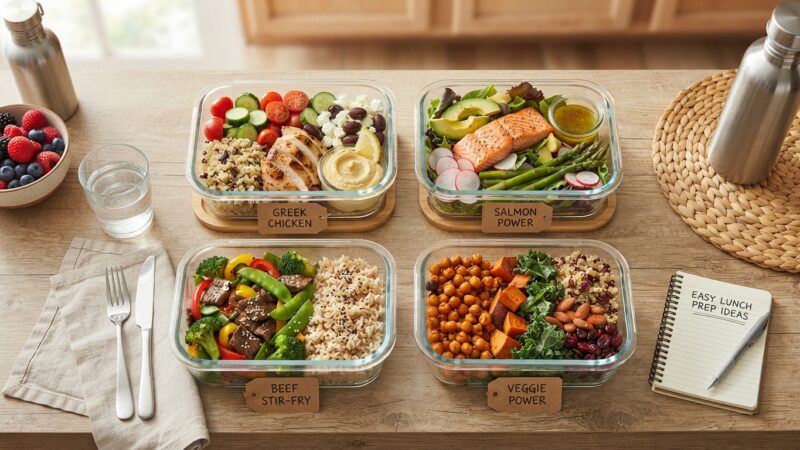
Batch-cook grains, roast vegetables, or grill proteins in bulk. Store them separately so you can mix and match throughout the week. This is the core of good meal prep tips that save both time and money.
Need recipe inspiration? Our healthy and special diet recipes offer plenty of ideas that are designed for make-ahead cooking.
Frequently Asked Questions (FAQ)
1. What is the biggest kitchen mistake that wastes money?
Buying pre-cut produce out of habit is one of the biggest money wasters. You pay a significant premium for convenience, and the food often spoils faster. Chopping your own saves both cash and quality.
2. How can I stop wasting time in the kitchen?
Start with mise en place — prep all ingredients before cooking. Also, keep your knives sharp and your pans properly heated. These two changes alone can cut cooking time by 20–30%.
3. Is meal prep really worth it?
Absolutely. Even just two hours of prep on a Sunday saves you daily stress, reduces food waste, and keeps you from ordering expensive takeout. It’s one of the most effective kitchen efficiency strategies.
4. Why does my food stick to the pan?
Most likely the pan wasn’t hot enough before adding oil. Let it preheat over medium-high for 2–3 minutes. You’ll get a natural non-stick effect from the heat, especially with stainless steel or cast iron.
5. How do I avoid freezer burn?
Remove as much air as possible from freezer bags before sealing. Use airtight containers for longer storage. Also, cool food completely before freezing to prevent ice crystals from forming.
6. What’s the most common cooking mistake for beginners?
Overcrowding the pan. It’s instinct to cook everything at once, but that leads to steamed, pale food. Cook in smaller batches for better browning and texture. It adds a few minutes but dramatically improves results.
7. Should I buy cheap knives to save money?
No, cheap knives go dull quickly and are more dangerous. Invest in one solid chef’s knife — it lasts years and makes every prep faster and safer. Think of it as a long-term save money cooking tool.
8. Can I still eat well on a tight budget?
Yes. Focus on whole ingredients like beans, rice, seasonal vegetables, and cheaper cuts of meat. Plan meals around what’s on sale. Batch cooking helps stretch ingredients across multiple meals without boredom.
If you’re exploring low-carb or keto-friendly options, you might enjoy exploring this resource for keto breads and desserts — it’s a great way to satisfy cravings without breaking your diet or your budget.
Conclusion
Most kitchen mistakes are habits we’ve picked up over years of cooking in a hurry. The good news is that they’re completely fixable. By prepping smarter, using the right tools, and respecting your freezer, you can cut your cooking time and your grocery bill significantly.
Start with just one change this week — maybe sharpening your knife or planning three dinners in advance. Small shifts add up to big savings over time. Your wallet, your schedule, and your taste buds will thank you.
For more practical advice and delicious recipes, browse our desserts and baking category — even sweet treats can be made with efficiency and less waste.