Healthy One-Pot Meals for Busy Families Everywhere
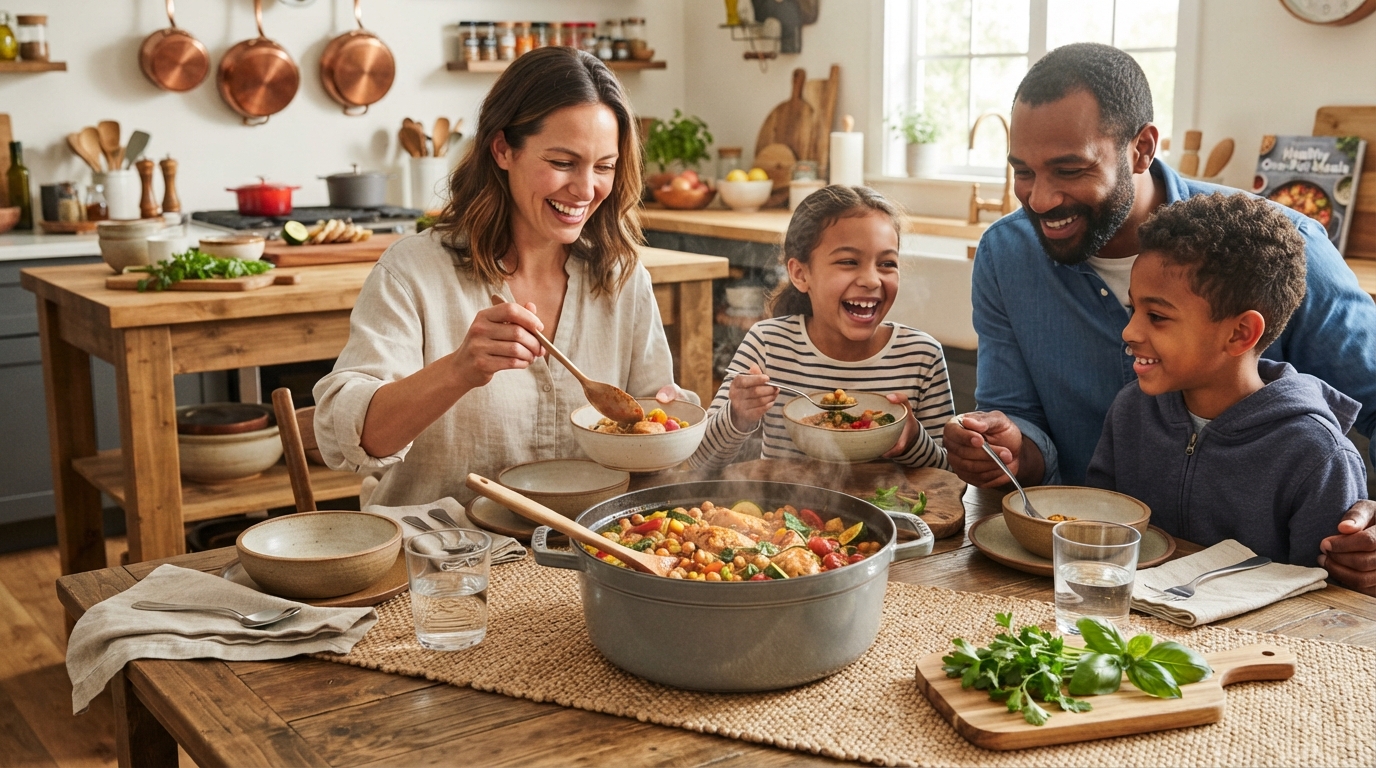
Let’s be real: between school runs, work deadlines, and endless to-do lists, dinnertime can feel like a battlefield. You want something nutritious, but you also need it to be fast and easy to clean up. That’s exactly where healthy one-pot meals for busy families come to the rescue.
These dishes aren’t just convenient. They’re designed to pack in vegetables, lean proteins, and whole grains—all while letting the flavors mingle in a single pot, skillet, or sheet pan. Less mess, more taste, and zero stress.
In this guide, you’ll find practical strategies, real recipe ideas, and a few pro tips to make one-pot cooking your family’s new favorite habit. Ready to simplify dinner without sacrificing quality? Let’s dive in.
Why One-Pot Meals Are a Game-Changer for Busy Families
One-pot cooking is more than a trend—it’s a lifestyle hack for anyone juggling a packed schedule. When you use a single vessel, you cut down on prep time, cooking time, and, most importantly, cleanup time. That’s extra minutes to spend with your kids or just breathe.
But the benefits go beyond convenience. Because everything cooks together, the flavors deepen naturally. You also use fewer dishes, which means less water and energy wasted. And for families watching their budget, bulk cooking in one pot often reduces food waste.
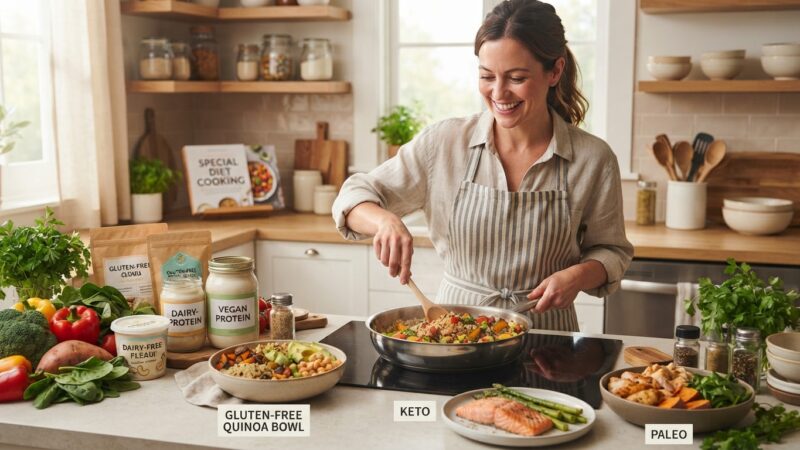
Plus, these meals are naturally adaptable. Whether you’re gluten-free, dairy-free, or just trying to eat more vegetables, nutritious family recipes that come together in one pot are easy to tweak.
Key Ingredients for Nutritious and Delicious One-Pot Cooking
The secret to a great one-pot meal lies in layering flavors. Start with a solid base: aromatics like onion, garlic, and ginger. Then add your protein—chicken thighs, ground turkey, chickpeas, or tofu. Next come the vegetables.
- Leafy greens: spinach or kale (stir in at the end)
- Root vegetables: carrots, sweet potatoes, or butternut squash
- Whole grains: brown rice, quinoa, farro, or barley
- Broth or stock: low-sodium for better control over salt
- Herbs and spices: cumin, paprika, thyme, or basil for depth
Don’t forget the liquid-to-grain ratio. For most whole grains, use about 2 to 2½ cups of liquid per cup of grain. This ensures your meal is saucy but not soupy.
5 One-Pot Dinners That Your Family Will Actually Eat
These recipes are crowd-pleasers because they’re familiar, filling, and full of hidden veggies. Each one comes together in under 45 minutes.
1. Lemon Herb Chicken and Rice
Season chicken thighs with salt, pepper, and oregano. Sear them in a Dutch oven, then remove. Sauté onions and garlic, add long-grain rice, and pour in chicken broth with lemon juice. Nestle the chicken back in, cover, and simmer for 25 minutes. Garnish with fresh parsley.
2. Turkey Taco Skillet
Brown ground turkey in a large skillet. Add diced bell peppers, corn, black beans, and crushed tomatoes. Sprinkle with cumin and chili powder. Let it simmer for 10 minutes, then top with shredded cheese and avocado. Serve with tortilla chips or lettuce wraps.
3. Creamy Tomato Lentil Soup
Sauté carrots, celery, and onion in olive oil. Add rinsed red lentils, a can of diced tomatoes, and vegetable broth. Simmer for 20 minutes until lentils are tender. Stir in a splash of coconut milk for creaminess without dairy.
4. Sheet Pan Salmon and Veggies
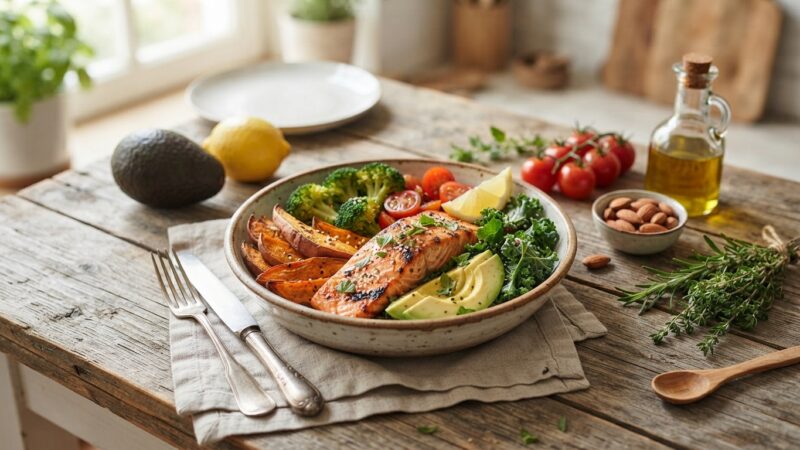
Place salmon fillets on a lined baking sheet. Surround with broccoli florets, cherry tomatoes, and sliced zucchini. Drizzle everything with olive oil, lemon juice, and garlic powder. Bake at 400°F for 15 minutes. No stirring, no flipping—just perfect results.
5. One-Pot Pasta Primavera
In a deep skillet, combine whole-wheat pasta, vegetable broth, diced zucchini, mushrooms, and fresh basil. Bring to a boil, then reduce heat and stir occasionally until pasta is al dente, about 12 minutes. Finish with a handful of Parmesan.
How One-Pot Meals Support Healthy Eating Goals
When you cook everything together, you naturally control what goes into your family’s food. No hidden preservatives, no excess sodium from packaged sauces. You’re in charge.
These meals also make it easier to hit your vegetable quota. You can pile in spinach, peppers, or carrots without anyone complaining—because the flavors blend. For more ideas on balancing your plate, check out our healthy & special diet recipes section.
And if you’re worried about portion sizes, one-pot meals are perfect for portioning out leftovers. Cook once, eat twice. That’s smart easy meal prep ideas in action.
Tips for Adapting One-Pot Recipes to Special Diets
One-pot cooking is incredibly flexible. If your family is gluten-free, swap standard pasta for rice noodles or chickpea pasta. For dairy-free diets, skip the cream and use coconut milk or cashew cream instead.
Want to lower the carbs? Replace rice with cauliflower rice or zucchini noodles, adding them at the last few minutes of cooking. Vegetarian or vegan? Use lentils, beans, or tofu as your protein and mushroom broth for extra umami.
For more quick weeknight dinners that fit any lifestyle, explore our quick & easy recipes collection. You’ll find endless variations.
One-Pot Meal Prep: Batch Cook Like a Pro
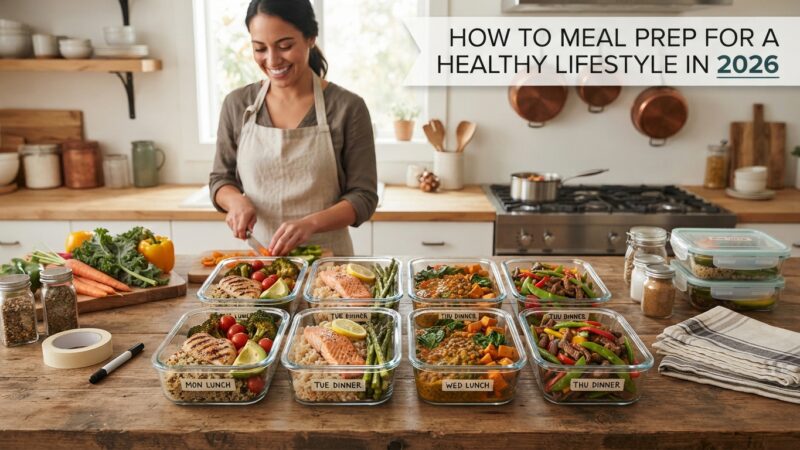
Weekend meal prep doesn’t have to be complicated. Choose two or three healthy one-pot meals for busy families, double the ingredients, and cook them in separate pots. Cool, portion into containers, and refrigerate for up to four days.
Here’s a sample prep schedule:
| Day | Meal | Prep Time |
|---|---|---|
| Sunday | Lentil soup + turkey skillet | 60 min |
| Monday | Reheat lentil soup | 5 min |
| Tuesday | Reheat turkey skillet | 5 min |
| Wednesday | Sheet pan salmon | 20 min |
This approach saves you from the 5 p.m. panic. You always have something ready to go. For more kitchen hacks, read our kitchen tips and meal prep guide.
Frequently Asked Questions About One-Pot Meals
1. Can I make one-pot meals in a slow cooker?
Absolutely. A slow cooker is a great one-pot tool for soups, stews, and chilis. Just layer ingredients in the right order—hard vegetables first, grains and proteins on top.
2. What’s the best pot for one-pot cooking?
A Dutch oven or a deep, heavy-bottomed skillet works best. They distribute heat evenly and hold enough volume for a family meal.
3. How do I prevent one-pot meals from burning?
Keep the heat at medium-low after adding liquids. Stir occasionally and check the liquid level. If it looks dry, add a splash of broth or water.
4. Are one-pot meals good for weight loss?
Yes, because you control the ingredients. You can reduce oils, use lean proteins, and load up on vegetables without extra effort.
5. Can I freeze one-pot meals?
Most freeze well, especially soups, stews, and grain-based dishes. Let them cool completely, then store in airtight containers for up to three months.
6. How do I add more flavor without salt?
Use fresh herbs, garlic, onion, citrus zest, or smoked paprika. A squeeze of lemon or lime at the end can brighten any dish.
7. What if my family doesn’t like vegetables?
Chop them small or blend them into sauces. One-pot cooking makes it easy to “hide” veggies in rice or pasta dishes.
Conclusion
Healthy one-pot meals for busy families aren’t just a cooking method—they’re a stress-relief strategy. They bring the whole family to the table with less effort, less cleanup, and more real food. Whether you’re a seasoned cook or just starting out, one-pot dishes are your shortcut to better weeknights.
Start with one recipe this week. Maybe the lemon herb chicken or the turkey taco skillet. Once you see how simple and delicious it is, you’ll wonder why you didn’t try it sooner.
For even more inspiration, browse our international cuisine section for one-pots from around the world. And if you’re looking to expand your baking skills, don’t miss our desserts & baking category—because even healthy eaters deserve a treat.
If you’ve been curious about adding more variety to your family’s diet with low-carb options, confira esta opção for keto-friendly bread and dessert recipes that pair perfectly with your one-pot meals.