15 Gluten-Free Recipes Everyone Will Love
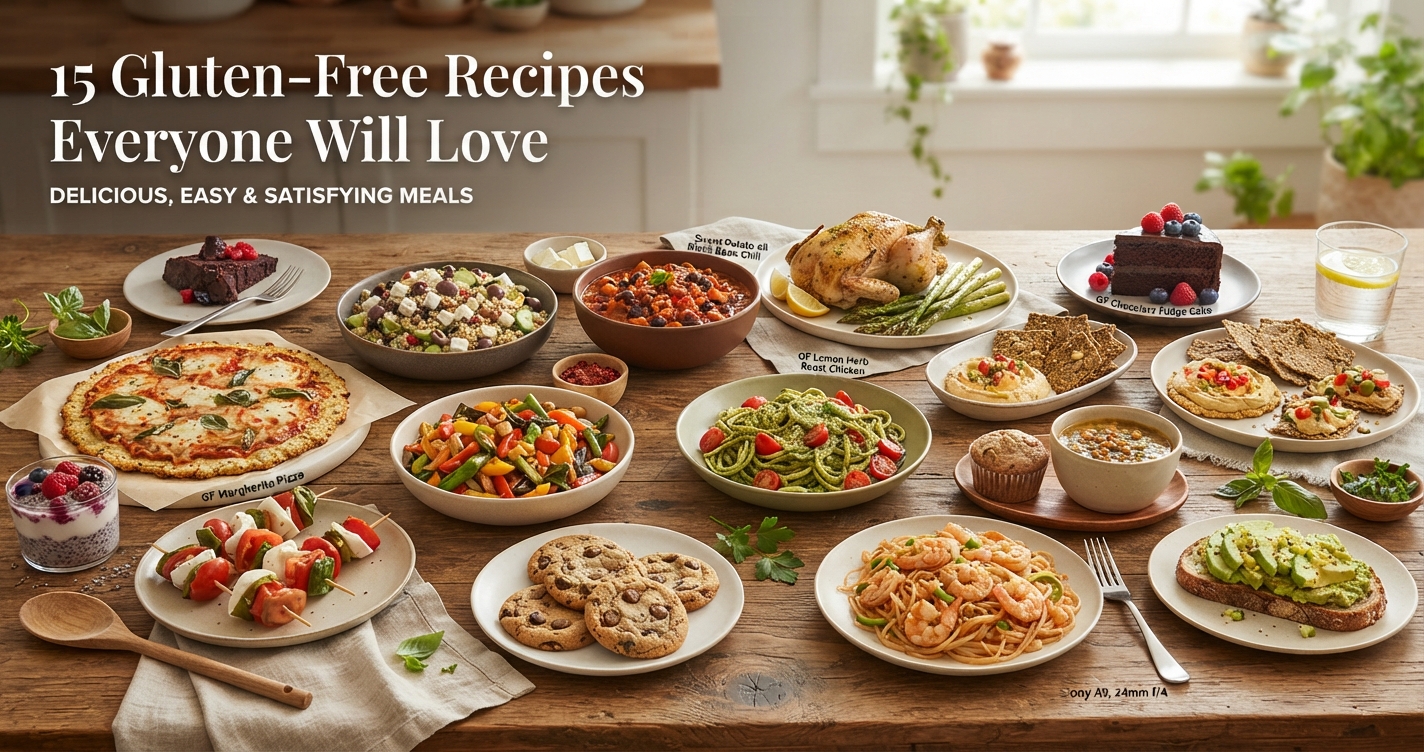
Cooking gluten-free doesn’t mean sacrificing flavor, texture, or the joy of sharing a good meal. Whether you’re newly diagnosed with celiac disease, cooking for a sensitive stomach, or simply exploring healthier options, these 15 gluten-free recipes are designed to please everyone at the table.
I’ve spent years testing and tweaking recipes so they work without wheat, barley, or rye. The result? Dishes that are so delicious, no one will even notice they’re gluten-free. Let’s dive into a collection that covers breakfast, dinner, snacks, and dessert.
1. Why Go Gluten-Free? (Beyond the Trend)
For many, going gluten-free is a medical necessity. But even if you don’t have celiac disease, reducing gluten can sometimes help with bloating or energy levels. The key is replacing processed gluten products with whole, nutrient-dense ingredients.
Think quinoa bowls instead of pasta, or almond flour pancakes instead of regular ones. These swaps don’t just remove gluten—they often add more protein, fiber, and healthy fats. This is the philosophy behind all the healthy special diet recipes you’ll find here.
2. The Best Gluten-Free Flours to Keep in Your Pantry
Before you start cooking, stock your kitchen with the right tools. Not all gluten-free flours behave the same way. Here are my top four staples:
- Almond flour: Perfect for moist cakes and cookies. Adds richness and protein.
- Coconut flour: Very absorbent. Use it in small amounts for fluffy pancakes or muffins.
- Oat flour (certified gluten-free): Great for crumbles, pancakes, and quick breads. Grind your own from oats if you want.
- White rice flour: A neutral option for thickening sauces or making light pastries.
Mixing flours often gives the best texture. For example, a blend of almond and coconut flour creates a tender crumb that rivals any wheat-based bake.
3. 15 Gluten-Free Recipes Everyone Will Love
Breakfast & Brunch
Fluffy Almond Flour Pancakes
These pancakes are golden, tender, and naturally sweet. Top them with fresh berries and a drizzle of maple syrup. They cook in under 10 minutes—perfect for busy mornings.
Savory Sweet Potato Hash
Diced sweet potatoes, bell peppers, and onions pan-fried until crispy. Top with fried eggs for a protein-packed start. This is one of those quick gluten-free meals that feels gourmet.
Overnight Oats (Certified GF)
Mix certified gluten-free oats with chia seeds, almond milk, and a spoonful of peanut butter. Let it sit overnight. In the morning, you have a creamy breakfast ready to go. Add sliced banana for extra flavor.
Lunch & Dinner
Zucchini Noodles with Pesto & Cherry Tomatoes
Spiralize fresh zucchini, toss with homemade basil pesto, and add halved cherry tomatoes. It’s light, fresh, and ready in 15 minutes. Serve with grilled chicken for more protein.
One-Pan Lemon Herb Salmon & Asparagus
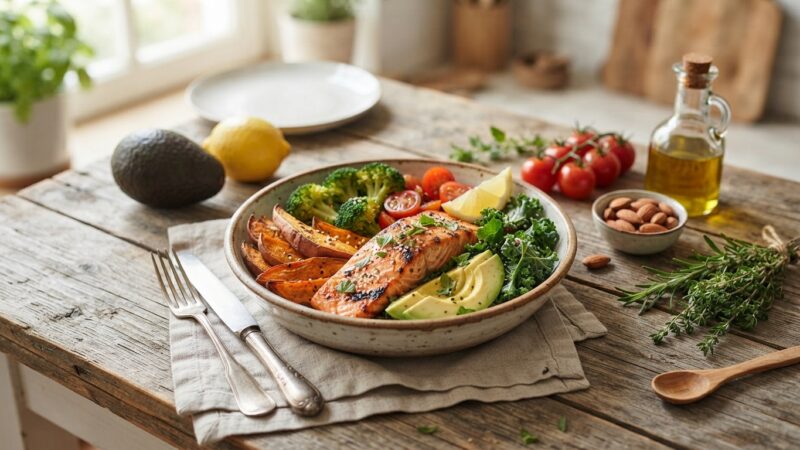
Place salmon fillets and asparagus on a sheet pan. Drizzle with olive oil, lemon juice, and garlic. Bake at 400°F for 15 minutes. This is one of my favorite easy gluten-free dinner ideas for weeknights.
Black Bean & Quinoa Stuffed Peppers
Mix cooked quinoa, black beans, corn, and cheese. Stuff into bell peppers and bake until tender. These are hearty enough for a main course and perfect for meal prep.
Thai Coconut Curry with Chicken
Simmer chicken breast, bell peppers, and spinach in a creamy coconut milk base with red curry paste. Serve over jasmine rice. The sauce is naturally gluten-free and incredibly comforting. For more international flavors, check out our international cuisine section.
Snacks & Sides
Crispy Baked Cauliflower Wings
Coat cauliflower florets in a mix of rice flour and spices, then bake until crunchy. Toss in buffalo sauce or a sweet chili glaze. They disappear fast at parties.
Cheesy Gluten-Free Garlic Bread
Use a gluten-free baguette or thick slices of GF bread. Spread with a mix of butter, minced garlic, and mozzarella. Toast until golden. It’s the perfect side for soups or pasta.
Roasted Chickpea Snack
Toss drained chickpeas with olive oil, smoked paprika, and salt. Roast at 400°F for 25 minutes. They turn crunchy and savory—way better than potato chips.
Desserts & Baking
Flourless Chocolate Lava Cake
Melt dark chocolate with butter. Whisk in eggs, sugar, and a pinch of salt. Bake in ramekins for exactly 12 minutes. The center stays gooey and rich. It’s a showstopper for dinner parties.
Almond Flour Lemon Bars
A buttery almond flour crust topped with a tangy lemon filling. Dust with powdered sugar. These are refreshing and bright, perfect for spring or summer.
Chewy Oatmeal Raisin Cookies (GF)
Using certified gluten-free oats and a bit of almond flour, these cookies stay soft and chewy. Add walnuts for extra crunch. For more ideas, explore our desserts & baking category.
No-Bake Peanut Butter Bars
Mix peanut butter, honey, and coconut oil. Stir in GF oats and press into a pan. Chill for an hour. These are sweet, salty, and dangerously easy to snack on.
4. Tips for Perfect Gluten-Free Baking
Baking without gluten can be tricky because gluten provides structure. Here are three rules I always follow:
First, add a binder like xanthan gum or psyllium husk. They mimic gluten’s elasticity. Use ¼ teaspoon per cup of flour blend. Second, don’t overmix the batter. Gluten-free batters benefit from a gentle hand—overworking makes them dense. Third, let the batter rest for 10–15 minutes before baking. This allows the flours to hydrate fully, which improves texture.
If you want to dive deeper into techniques, Serious Eats has a fantastic guide on gluten-free baking science that explains the chemistry behind these tweaks.
5. How to Make Gluten-Free Meals Affordable
Gluten-free ingredients can be pricey, but you can save money with a few smart habits. Buy staples like rice, quinoa, oats, and lentils in bulk. They’re naturally gluten-free and cheap.
Make your own seasoning mixes. Many pre-packaged spice blends contain hidden gluten as fillers. Mix your own taco seasoning, ranch dip, or curry powder at home. You control the salt and heat.
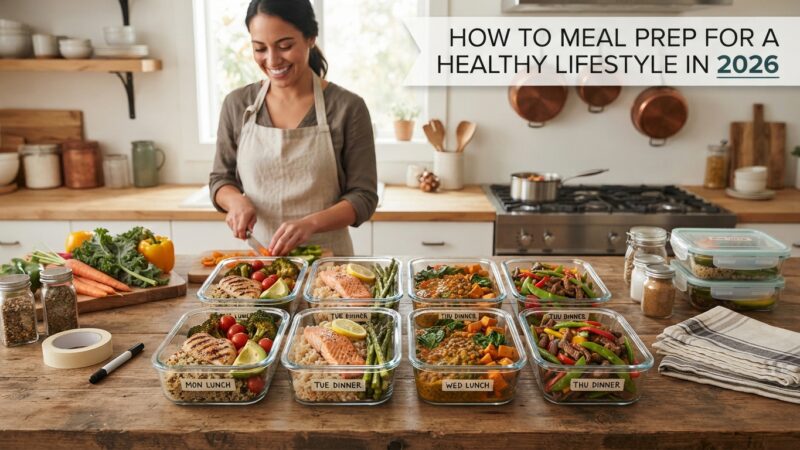
And don’t underestimate leftovers. Cook double portions of your healthy special diet recipes and store them for lunch the next day. This reduces waste and saves time. For more time-saving hacks, visit our kitchen tips & meal prep page.
6. A Quick Comparison: Gluten-Free Grains vs. Refined Grains
To help you choose wisely, here’s a simple table comparing common options:
| Grain | Gluten-Free? | Best Used For | Fiber (per cup cooked) |
|---|---|---|---|
| Quinoa | Yes | Salads, bowls, stuffing | 5g |
| Brown Rice | Yes | Stir-fries, side dishes | 3.5g |
| Buckwheat (groats) | Yes | Porridge, pancakes | 4.5g |
| White Rice | Yes | Plain side, sushi | 0.5g |
| Regular Pasta (wheat) | No | Classic pasta dishes | 2g |
Switching to whole gluten-free grains like quinoa or buckwheat boosts your fiber and nutrient intake significantly. It’s an easy upgrade for everyday meals. For more ideas, explore our quick & easy recipes section.
Frequently Asked Questions
1. Are oats gluten-free?
Oats are naturally gluten-free, but they are often contaminated during processing. Always look for a “certified gluten-free” label on the package. This ensures they were grown and processed separately from wheat.
2. Can I substitute regular flour 1:1 with gluten-free flour?
Not exactly. Gluten-free flours absorb moisture differently. A 1:1 all-purpose gluten-free flour blend (like Bob’s Red Mill) works for many cookies and cakes, but you may need to adjust liquids or add a binder for yeast breads.
3. What are the best gluten-free pasta options?
Brown rice pasta has a neutral taste and firm texture. Chickpea pasta is higher in protein and fiber. Lentil pasta is also excellent. Cook them al dente and rinse with warm water to prevent sticking.
4. Is it possible to eat gluten-free on a budget?
Yes. Focus on naturally gluten-free whole foods: rice, potatoes, beans, lentils, eggs, vegetables, and meat. Avoid expensive processed gluten-free snacks. Cook from scratch as much as possible.
5. What does gluten-free mean on a food label?
In the US, the FDA requires that foods labeled “gluten-free” contain less than 20 parts per million (ppm) of gluten. This is considered safe for the vast majority of people with celiac disease.
6. Will I lose weight eating gluten-free?
Not automatically. Many gluten-free processed foods are high in sugar and fat. To lose weight, focus on whole, unprocessed ingredients and balance your portions. The recipes in this article are designed to be naturally nutritious.
7. Can I bake a gluten-free cake that doesn’t taste grainy?
Absolutely. Use a blend of superfine almond flour and tapioca starch. Make sure to measure by weight, not volume. And don’t skip the resting step—it allows the flours to hydrate, giving a smoother crumb.
8. Where can I find more gluten-free recipes?
Beyond this collection, the internet is full of amazing resources. The New York Times Cooking archive has a dedicated gluten-free recipe section with tested, chef-quality dishes. Also, keep exploring our own site for new ideas weekly.
Conclusion
Eating gluten-free is not a limitation—it’s an invitation to get creative in the kitchen. From fluffy pancakes to a rich chocolate lava cake, these 15 gluten-free recipes prove that you can enjoy all your favorite foods without compromise.
Start with the recipes that sound most exciting to you. Cook them, tweak them, and make them your own. Your family and friends will thank you, and you’ll build a repertoire of dishes that work for any occasion. For those looking to take their gluten-free baking to the next level, you might also want to check out this collection of keto-friendly breads and desserts—it’s packed with ideas that align perfectly with a low-carb, gluten-free lifestyle.
Happy cooking, and remember: great food is for everyone.