How to Meal Prep for a Healthy Lifestyle in 2026
If you’re looking to eat better without spending hours in the kitchen every day, you’ve come to the right place. Meal prep for a healthy lifestyle isn’t just a trend—it’s a smart, sustainable habit that saves time, reduces stress, and helps you stay on track with your nutrition goals. In 2026, the focus is on fresh, functional ingredients and flexible routines that fit real life.
Whether you’re a busy parent, a remote worker, or someone just starting their wellness journey, this guide will walk you through everything you need to know. From planning your first prep day to storing meals like a pro, we’ve got you covered.
Why Meal Prep Matters More in 2026
Let’s be honest: life is only getting busier. With packed schedules and constant distractions, eating healthy often takes a back seat. That’s where healthy meal planning becomes a game-changer.
By dedicating a couple of hours on a Sunday, you set yourself up for success all week long. You avoid last-minute fast food runs, reduce food waste, and save money on groceries. Plus, when your fridge is stocked with ready-to-eat meals, you’re far less likely to reach for processed snacks.
In 2026, we’re also seeing a bigger push toward plant-forward eating and gut health. Prepping ahead makes it easier to incorporate more fiber, fermented foods, and colorful vegetables into your daily diet.
Step 1: Plan Your Menu Around 2026 Nutrition Trends
Before you chop a single vegetable, take 15 minutes to plan your menu. Focus on batch cooking recipes that use overlapping ingredients to simplify shopping and prep.
Here are some trends to inspire your weekly lineup:
- Fermented veggies: Add kimchi, sauerkraut, or pickled onions for probiotics.
- Adaptogenic bowls: Use ingredients like ashwagandha powder or reishi mushrooms in grain bowls.
- High-protein legumes: Lentils, chickpeas, and black beans are staples for lasting energy.
- Seed-based sauces: Tahini, sunflower seed dressing, and hemp seed pesto add healthy fats.
- Whole grains: Farro, sorghum, and teff offer more nutrients than white rice.
Planning meals that share ingredients—like roasting extra sweet potatoes for both a salad and a breakfast hash—cuts your prep time in half. For more quick and easy ideas, check out our quick and easy recipes collection.
Step 2: Master the Art of Batch Cooking
Batch cooking is the heart of weekly meal prep. The goal is to cook large quantities of versatile components, then mix and match them throughout the week.
Start with these foundational elements that you can prep in bulk:
| Component | Example | Storage Time (Fridge) |
|---|---|---|
| Protein | Grilled chicken, baked tofu, hard-boiled eggs | 4–5 days |
| Grains | Quinoa, brown rice, farro | 5–6 days |
| Roasted Veggies | Broccoli, bell peppers, zucchini | 4–5 days |
| Dressings & Sauces | Lemon vinaigrette, peanut sauce, salsa verde | 7–10 days |
| Fresh Greens | Washed spinach, arugula, kale (stored dry) | 3–5 days |
Pro tip: Store grains and roasted veggies in separate containers. That way, you can reheat them without making salads soggy or grains dry.
Step 3: Invest in the Right Storage System
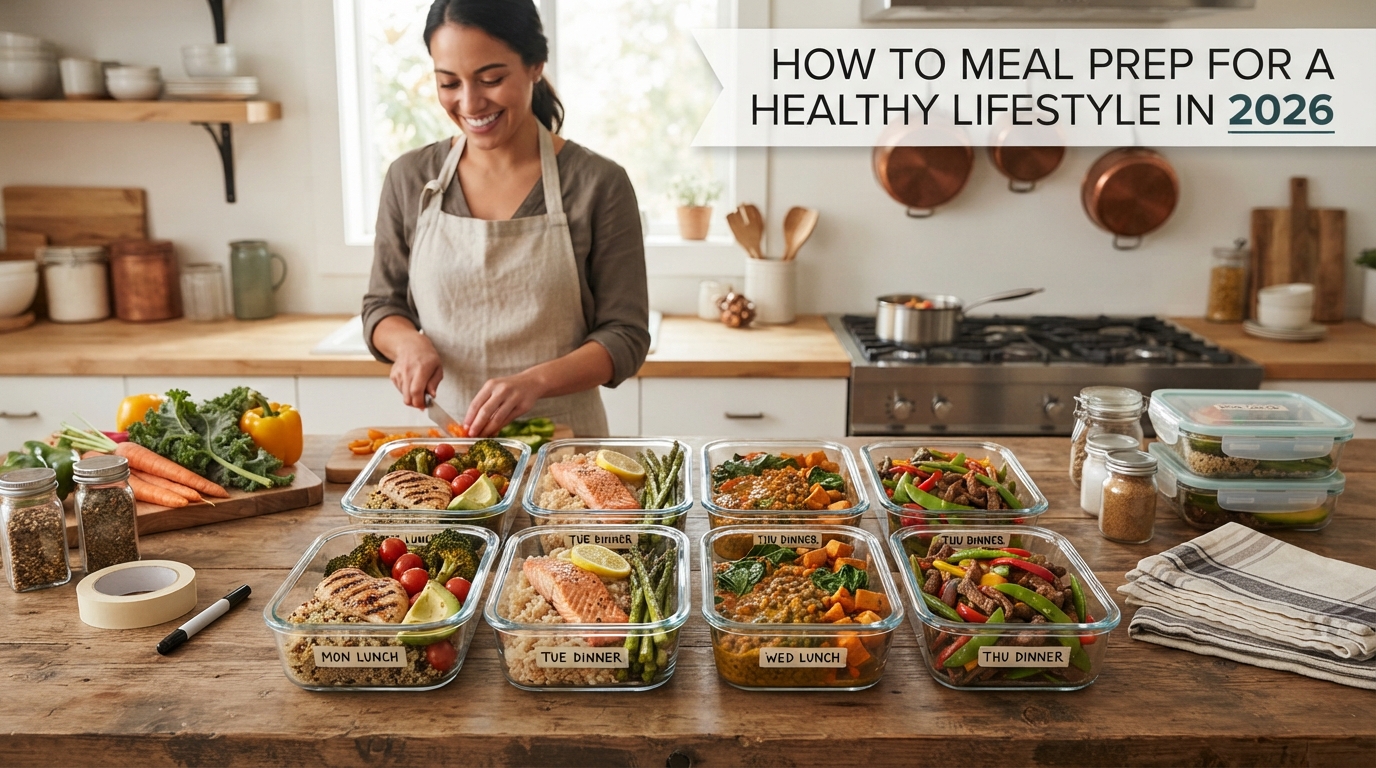
You don’t need fancy gadgets, but a few good containers make a huge difference. Look for glass or BPA-free plastic options with tight lids. Stackable containers save fridge space and keep your meals organized.
Another key trick: label everything with the date and contents. A simple piece of masking tape and a marker will save you from mystery containers later in the week.
If you’re following a specific diet like keto or low-carb, finding satisfying recipes that fit your macros is essential. For delicious options that support your goals, check out this top-rated keto breads and desserts collection—it’s packed with recipes that make meal prep feel indulgent while keeping you on track.
Step 4: Prep for Variety Without Overcomplicating
One of the biggest complaints about meal prep is boredom. Eating the same thing five days in a row can get old fast. The fix? Prep components, not full plates.
For example, cook a batch of black beans, roast mushrooms and onions, and make a simple cilantro-lime dressing. Then use those pieces to build tacos one night, a grain bowl the next, and a breakfast scramble the morning after.
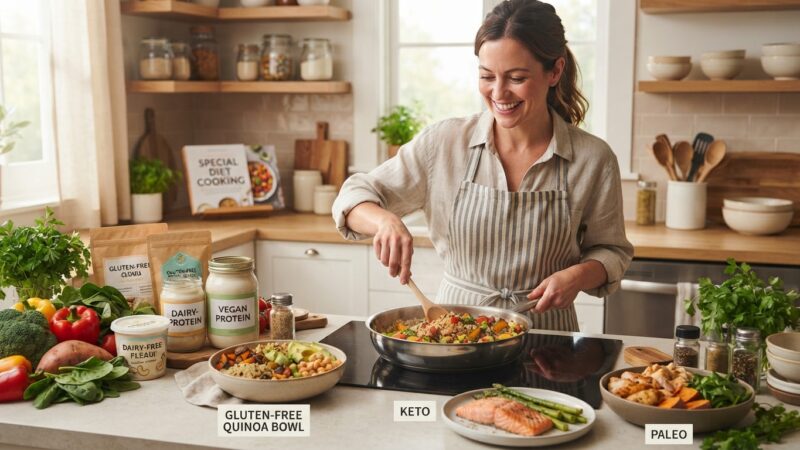
This approach works beautifully with diet prep tips for different eating styles. Whether you’re vegetarian, paleo, or Mediterranean, the same principle applies—versatile ingredients are your best friend. Our healthy and special diet recipes section has plenty of ideas to keep your menu fresh.
Step 5: Use Your Freezer Like a Pro
Your freezer is a meal prep superpower. Soups, stews, chili, and even cooked grains freeze beautifully. Portion them into individual containers so you can grab a meal in seconds.
Here are a few freezer-friendly meal prep staples:
- Lentil soup or vegetable minestrone
- Cooked quinoa or farro (spread flat in a bag, then break off portions)
- Marinated raw chicken or salmon (freeze in ziplock bags with the marinade)
- Banana “nice cream” base (frozen banana chunks ready to blend)
- Baked oatmeal cups (just reheat in the microwave for breakfast)
Pulling a frozen meal out the night before means you always have a healthy option—even on your busiest days.
Step 6: Streamline Your Grocery Shopping
Efficient meal prep starts at the grocery store. Before you go, write a list organized by store sections (produce, proteins, dry goods). Stick to it to avoid impulse buys that don’t fit your plan.
Try to shop once a week, and consider buying frozen fruits and vegetables. They’re just as nutritious as fresh, and they cut down on prep time. Frozen spinach, berries, and broccoli are lifesavers for smoothies, stir-fries, and pasta dishes.
For international flavor inspiration that keeps meals exciting, explore our international cuisine recipes. They’re perfect for adding global twists to your prep rotation.
Frequently Asked Questions
1. How long does meal prep food last in the fridge?
Most cooked meals stay fresh for 4 to 5 days when stored properly in airtight containers. If you want to extend that, freeze individual portions.
2. Can I meal prep if I’m on a keto or low-carb diet?
Absolutely. Focus on prepping proteins (chicken, beef, eggs), low-carb vegetables (zucchini, cauliflower, leafy greens), and healthy fats (avocado, olive oil, nuts). Avoid starchy grains and sugars.
3. Do I have to cook everything on Sunday?
Not at all. You can spread prep across the weekend or even do quick 20-minute sessions on weeknights. The key is consistency, not a rigid schedule.
4. What’s the best way to reheat meal prep food?
For most dishes, the microwave works fine. For crunchy items like roasted vegetables, use an oven or air fryer to restore texture. Add fresh herbs or a squeeze of lemon after reheating to brighten the flavor.
5. How do I keep salads from getting soggy?
Store dressing separately. Keep greens dry by washing them and using a salad spinner. Add wet ingredients (like tomatoes or cucumbers) only at serving time. You can also use the “mason jar” method: dressing at the bottom, then hearty veggies, then greens on top.
6. Is meal prep expensive?
It can actually save you money. Buying ingredients in bulk and reducing food waste lowers your overall grocery bill. Stick to seasonal produce and budget-friendly proteins like eggs, beans, and lentils.
7. What should I do if I get bored with my meals halfway through the week?
Prep extra sauces and condiments. A change of dressing, a sprinkle of seeds, or a dollop of yogurt can make the same base taste completely different. Also, try prepping two different proteins or grains to rotate.
8. Can I prep breakfasts and snacks too?
Yes! Overnight oats, egg muffins, chia puddings, and energy balls are all excellent make-ahead options. Having a grab-and-go breakfast or snack makes it much easier to avoid unhealthy choices in the morning rush.
Conclusion
Meal prep for a healthy lifestyle in 2026 is all about working smarter, not harder. By planning ahead, cooking versatile components, and storing them properly, you set yourself up for a week of nutritious, delicious meals with minimal daily effort.
Remember, you don’t have to be perfect. Start small—prep just lunches or breakfasts for a few days. As you get comfortable, expand your routine. Your future self will thank you every time you open a perfectly organized fridge.
For more kitchen hacks and detailed guides, visit our kitchen tips and meal prep section. Happy prepping!