The Best Containers for Meal Prep and Food Storage
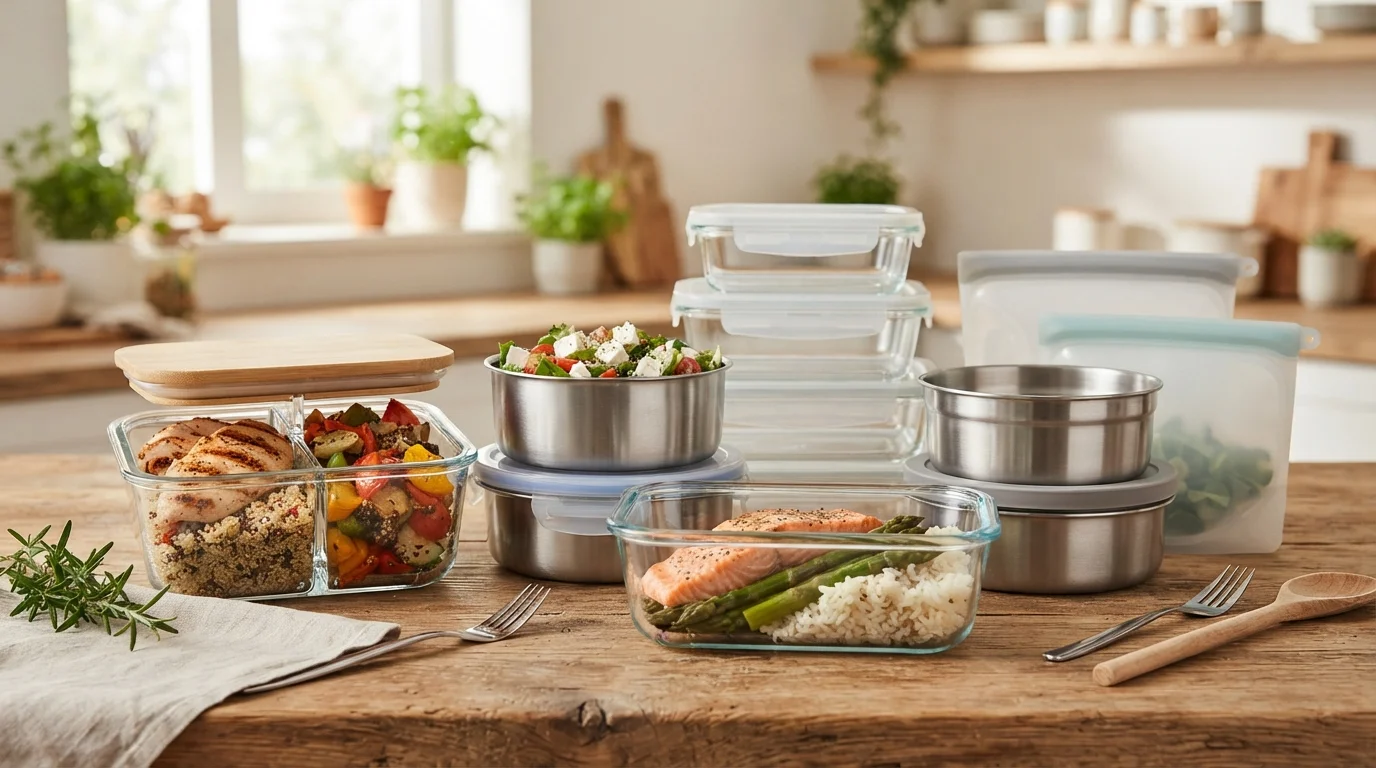
Meal prepping can save you time, money, and stress during the week. But without the right storage, your carefully planned meals can turn soggy, leaky, or just plain unappetizing. The truth is, choosing the best containers for meal prep and food storage makes all the difference between a chaotic kitchen and a smooth-running week. Over the years, I’ve tested dozens of options, and I’m here to break down exactly what works for different foods, lifestyles, and budgets.
Why the Right Container Matters More Than You Think
Using the wrong container isn’t just about a messy fridge. It can affect food freshness, reheating quality, and even your health. Glass containers, for instance, are non-porous and won’t absorb stains or odors from last night’s spaghetti sauce. Plastic containers, on the other hand, are lightweight and shatterproof, making them perfect for packed lunches. The key is matching the container material to the meal you’re storing.
Beyond material, consider portion sizes. A container that’s too large encourages overeating, while one too small leaves you scrambling for extra portions. Investing in a set of uniform, stackable containers also helps with kitchen organization tips and maximizes fridge space.
Glass Containers: The Gold Standard for Meal Prep
If you’re serious about meal prepping, glass containers should be your go-to. They’re oven-safe, microwave-safe, and dishwasher-safe, which means you can cook, store, and reheat all in one dish. Brands like Pyrex and Snapware offer tempered glass that resists thermal shock, so going from freezer to oven is safe.
Glass also doesn’t leach chemicals, even when heating acidic foods like tomato sauce. This makes it one of the food storage containers for anyone focused on clean eating. The only downside? They’re heavier and can break if dropped. But for home use and fridge organization, they’re unmatched.
For portion control, look for divided glass containers with separate compartments. They keep proteins, grains, and veggies from mixing, which is perfect for balanced lunches.
BPA-Free Plastic Containers: Lightweight and Budget-Friendly
Not all plastic is created equal. When shopping for BPA-free plastic containers, look for options labeled with recycling codes #2, #4, or #5. These are generally safer and more durable. Plastic is ideal for kids’ lunches, picnics, or anyone who needs to carry meals to the office daily.
However, avoid using plastic containers for reheating oily or acidic foods, as heat can cause degradation over time. Instead, use them for cold meal prep like overnight oats, chopped salads, or snack portions. Many modern plastic containers are now leak-proof and feature snap-lock lids, making them a solid choice for wet dishes like soups or curries.
For a wide selection of quick and practical recipes that work perfectly in these containers, check out our quick and easy recipes collection.
Stainless Steel Containers: Durable and Eco-Friendly
Stainless steel containers are a fantastic alternative for zero-waste kitchens. They’re virtually indestructible, non-toxic, and won’t retain flavors or odors. They’re especially great for storing dry goods like nuts, granola, or crackers. Some models even come with silicone lids to create a leak-proof seal.
The main drawback is that they’re not microwave-safe and you can’t see the contents without opening them. But for pantry storage or packed lunches, they’re a top-tier option. Plus, they last for years, making them a sustainable investment.
Silicone Bags and Lids: Space-Saving Heroes
Silicone storage solutions have exploded in popularity, and for good reason. Reusable silicone bags (like Stasher) replace disposable plastic bags for marinating, freezing, or storing leftovers. They’re dishwasher-safe, boilable, and take up almost no space when empty.
Silicone stretch lids are another game-changer. They cover bowls, jars, cut fruits, and even cans, replacing plastic wrap entirely. These are perfect for meal prep when you want to store items in oddly shaped bowls or just need a quick cover.
What About Freezer-Safe Containers?
Freezing is a core part of meal prep, but not all containers handle the cold well. Glass can crack if overfilled, so always leave at least an inch of headspace. Plastic containers labeled “freezer-safe” are more forgiving and less likely to break. Silicone bags are also excellent for freezing soups, sauces, and marinated proteins flat, which saves freezer space.
For long-term storage, vacuum-seal containers are a fantastic option. They remove air to prevent freezer burn and keep food fresh for months. This is especially useful for batch-cooking soups or stews.
Comparison Table: Quick Guide to Container Materials
| Material | Best For | Reheatable | Dishwasher Safe | Eco-Friendliness |
|---|---|---|---|---|
| Glass | Home storage, oven-to-table meals | Yes (oven & microwave) | Yes | High (recyclable) |
| BPA-Free Plastic | Lunches, travel, cold prep | Microwave (use caution) | Yes (top rack) | Medium |
| Stainless Steel | Dry goods, pantry, kids’ meals | No | Yes | Very High (long lifespan) |
| Silicone | Bags, lids, freezing, marinating | Yes (microwave & oven) | Yes | Very High (reusable) |
Pro Tips for Organizing Your Fridge with Meal Prep Containers
Once you’ve chosen your containers, organization is the next step. Use clear containers whenever possible so you can see what’s inside without opening them. Label everything with the date and contents using a dry-erase marker or reusable labels.
Stackable containers save vertical space, while square or rectangular shapes waste less room than round ones. Group containers by meal type: breakfast, lunch, dinner, and snacks. This makes grabbing a meal in the morning effortless.
If you’re following a specific diet, like low-carb or gluten-free, dedicated containers help you stay on track. Browse our healthy and special diet recipes for inspiration on what to prep next.
Frequently Asked Questions (FAQ)
1. Are glass containers better than plastic for meal prep?
Yes, for most home uses. Glass is non-toxic, doesn’t stain, and handles heat well. Plastic is lighter and better for portability, but avoid reheating it regularly.
2. Can I microwave plastic meal prep containers?
Only if they’re labeled microwave-safe. Even then, avoid microwaving high-fat or high-sugar foods for long periods, as these can cause the plastic to warp.
3. How often should I replace plastic food containers?
Replace them when they show cracks, warping, cloudiness, or persistent odors. On average, high-quality BPA-free plastic lasts about 6 to 12 months.
4. What’s the best container for freezing soups?
Silicone bags or wide-mouth glass jars (with headspace) work great. Plastic deli containers are also excellent and stack well.
5. Are silicone lids truly leak-proof?
Most high-quality silicone lids create an airtight seal, but they’re not 100% leak-proof for liquids if the container is tilted. They’re best for semi-solid foods or fridge storage.
6. How do I prevent glass containers from breaking in the freezer?
Always allow hot food to cool completely before freezing. Leave at least an inch of headspace, and never overfill. Use tempered borosilicate glass for the best results.
7. What are the best containers for portion control?
Divided glass or BPA-free plastic containers with 2 or 3 compartments are ideal. They help you balance proteins, carbs, and veggies without extra measuring.
8. Can I use mason jars for meal prep?
Absolutely! Wide-mouth mason jars are perfect for salads, overnight oats, parfaits, and soups. They’re inexpensive, reusable, and easy to clean.
Conclusion
Choosing the best containers for meal prep and food storage doesn’t have to be overwhelming. Focus on your daily habits: if you reheat often, go glass. If you eat on the go, choose BPA-free plastic. If sustainability is your priority, stainless steel or silicone are winners. The best investment you can make is a versatile set that covers hot and cold storage, fits your fridge perfectly, and makes you excited to prep. For international meal inspiration that stores beautifully, don’t miss our international cuisine recipes.
I personally recommend checking out this top-rated set of glass meal prep containers if you want a durable, leak-proof solution that works for oven-to-fridge storage. It’s a small upgrade that makes a huge difference in your weekly routine.
Start small, stay consistent, and your future self will thank you every time you open a perfectly organized fridge.


