Simple Food Storage Tips That Reduce Waste
Throwing away wilted lettuce, slimy herbs, or half-used cans of tomatoes feels like tossing money straight into the trash. In the average American household, food waste accounts for hundreds of dollars lost every year. But here’s the good news: most of that waste is completely preventable. With a few simple food storage tips that reduce waste, you can keep your groceries fresher for longer, save money, and make your meal prep routine a whole lot smoother.
Whether you’re a busy parent cooking for a family or someone who loves experimenting with international cuisine, these strategies fit right into your daily routine. No fancy gadgets required — just a little know-how and a few small habit shifts.
Why Most Produce Goes Bad Too Fast
The main culprit behind spoiled fruits and vegetables is improper storage. Many of us toss everything into the fridge without thinking about which items release ethylene gas (a natural ripening agent) and which ones are sensitive to it. For example, apples and bananas produce a lot of ethylene, while leafy greens and broccoli quickly turn yellow and limp when exposed to it.
Another common mistake is washing produce before storing it. Excess moisture speeds up mold and rot. Instead, wash your fruits and veggies only right before you eat or cook them. This one shift alone can double the shelf life of berries, mushrooms, and fresh greens.
The Golden Rule: Know What Goes in the Fridge vs. the Pantry
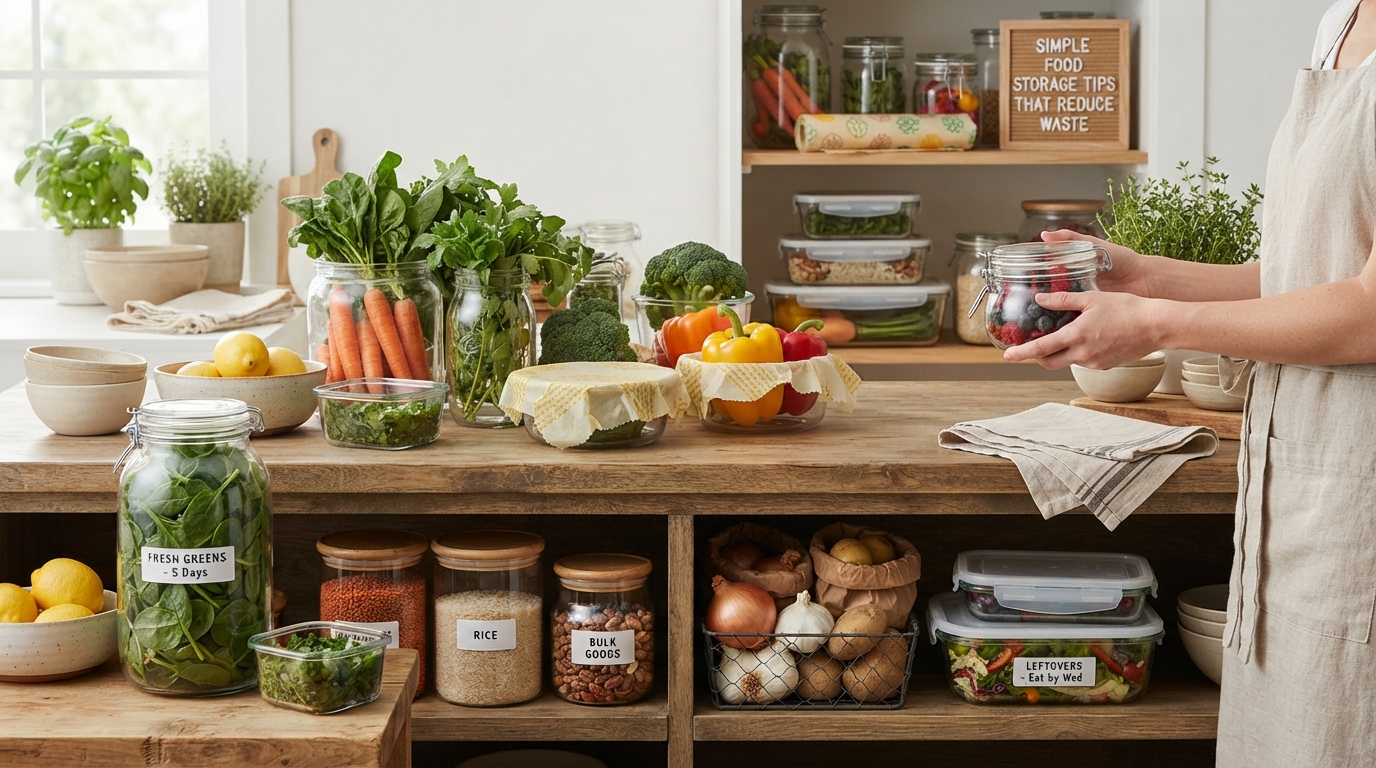
Not everything needs refrigeration. Potatoes, onions, garlic, tomatoes, and winter squash actually prefer a cool, dark, and dry spot in your pantry. Storing them in the fridge can alter their texture and flavor. On the other hand, leafy greens, fresh herbs, broccoli, and berries absolutely need the cold environment of your refrigerator to stay crisp.
Keep onions and potatoes separate — they spoil each other faster when stored together. Onions release moisture that makes potatoes sprout, while potatoes give off gases that cause onions to rot. A simple mesh bag or a paper bag with holes works wonders for both.
Produce Storage Hacks That Actually Work
Let’s get specific. Here are six proven hacks for common items that often go bad too soon:
- Leafy greens: Store them in a container lined with a dry paper towel. The towel absorbs excess moisture and keeps the leaves crisp for up to 10 days.
- Asparagus: Trim the ends and stand them upright in a glass with an inch of water, like a bouquet. Cover loosely with a plastic bag and refrigerate.
- Herbs (cilantro, parsley, mint): Treat them like flowers — trim stems, place in a jar with water, and cover the leaves loosely with a plastic bag in the fridge.
- Berries: Rinse them in a mixture of water and a splash of white vinegar just before eating. The vinegar kills mold spores. Dry completely before refrigerating.
- Avocados: Once ripe, move them to the fridge to slow down the ripening process. They’ll stay perfect for days.
- Celery and carrots: Wrap them tightly in aluminum foil before refrigerating. This lets ethylene escape while keeping moisture in.
Smart Meal Prep Storage Hacks for Cooked Food
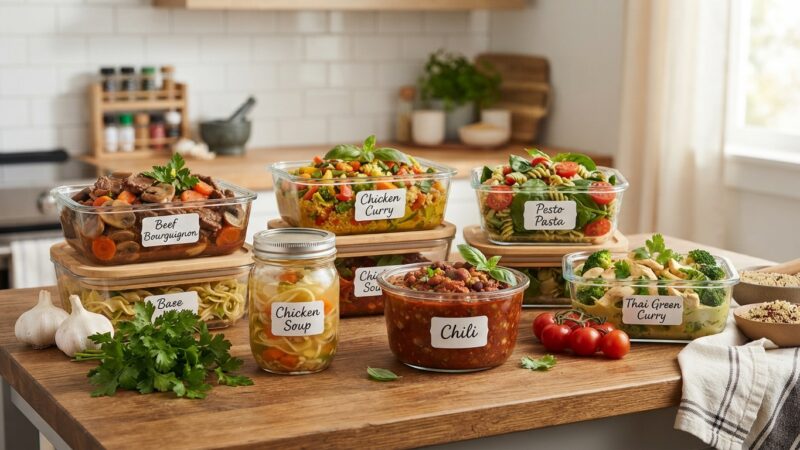
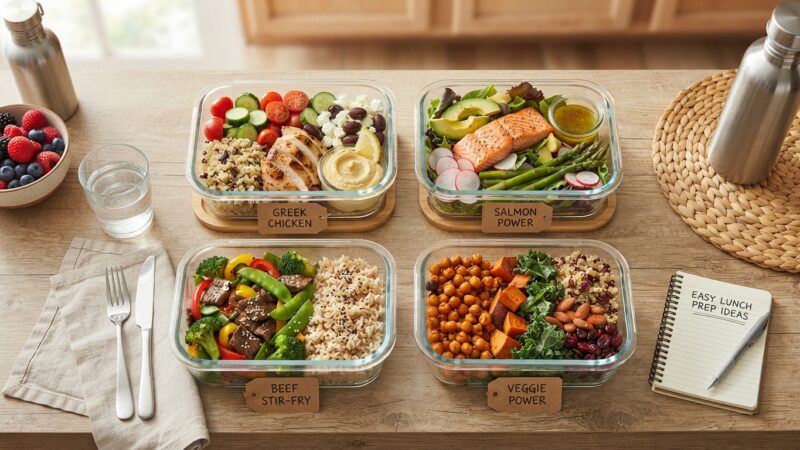
Meal prep is a game changer for reducing waste. When you cook in batches, portion things out immediately, and store them correctly, you avoid the dreaded “I’ll eat it tomorrow” trap. Invest in a set of clear, glass containers with airtight lids. Glass doesn’t absorb stains or odors like plastic does, and seeing the food reminds you to eat it.
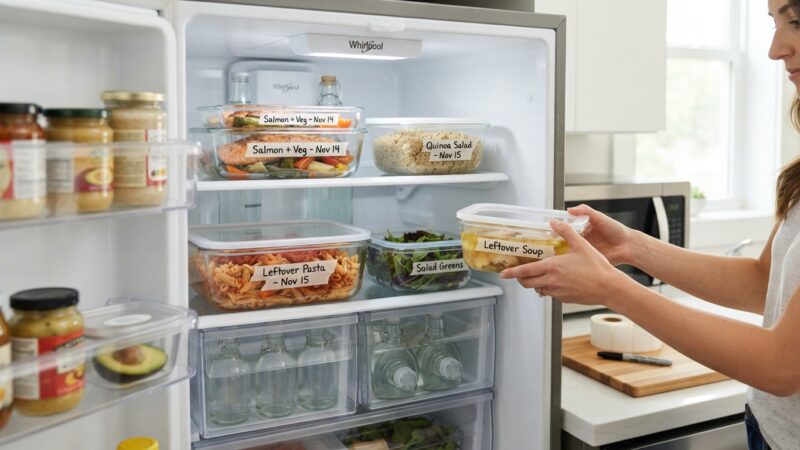
Label everything with the date using masking tape and a marker. If you’re cooking for the week, keep a simple log on your fridge of what’s inside each container. This small habit makes meal prep storage hacks even more effective because you’ll never lose track of leftovers again.
For soups, stews, and sauces, let them cool completely before refrigerating. Placing hot food directly into the fridge raises the internal temperature and can spoil surrounding items. A quick way to cool soup: set the pot in a sink filled with cold water and ice, stirring occasionally.
How to Store Leftovers the Right Way
Leftovers are only useful if they’re still good to eat. Follow the “two-hour rule” — don’t leave cooked food out at room temperature for more than two hours. Store leftovers in shallow, wide containers rather than deep ones. They cool down faster and more evenly, reducing bacterial growth.
Here’s a quick reference table for common leftovers:
| Food Type | Fridge Life (Airtight Container) | Freezer Life |
|---|---|---|
| Cooked rice or grains | 3–4 days | 1–2 months |
| Cooked chicken or meat | 3–4 days | 2–3 months |
| Soups and stews | 3–4 days | 2–3 months |
| Cooked pasta | 3–5 days | 1–2 months |
| Vegetable stir-fry | 3–4 days | 1 month |
Always reheat leftovers to an internal temperature of 165°F to be safe. And don’t be shy about repurposing — last night’s roasted veggies can become tomorrow’s frittata or grain bowl.
Freezer-Friendly Food Storage Tips That Reduce Waste
Your freezer is your best ally in the fight against food waste. Almost anything can be frozen: bread, cheese, cooked beans, overripe bananas, chopped onions, and even milk (just pour out a little space for expansion). Freeze fresh herbs in olive oil inside ice cube trays — pop one out for instant flavor in sauces or soups.
When freezing, remove as much air as possible from the packaging. Use vacuum-sealed bags or simply press the air out of a ziplock bag before sealing. For liquids like broths, leave about half an inch of headspace in the container because they expand as they freeze.
A well-organized freezer means you’ll actually use what you have. Keep an updated inventory list on the door. If you enjoy quick and easy recipes, having pre-portioned frozen ingredients ready to go makes dinnertime effortless.
Storing Pantry Staples and Dry Goods
Flour, sugar, oats, nuts, and spices lose their potency and can attract pantry pests if not stored properly. Transfer these items from their original packaging into airtight glass jars or BPA-free plastic containers. Not only do they look beautiful on your counter, but they also keep everything fresh and pest-free.
Nuts and whole grains contain natural oils that can turn rancid at room temperature. For long-term storage, keep them in the fridge or freezer. Spices, on the other hand, should be kept away from heat sources like the stove or oven. Storing them in a cool, dark drawer or cabinet preserves their flavor for up to a year.
For those experimenting with healthier baking options, you might appreciate this option for keto-friendly mixes that store well in the pantry and help reduce waste from unused specialty ingredients.
Frequently Asked Questions
How do I store fresh herbs to keep them from wilting so fast?
Treat tender herbs like basil, cilantro, and parsley as cut flowers. Trim the stems, place them in a jar with about an inch of water, and cover loosely with a plastic bag. Store in the fridge (except basil — keep that on the counter at room temperature). Change the water every couple of days.
Can I store tomatoes in the fridge?
Only if they are fully ripe and you plan to use them within a day or two. Refrigeration stops the ripening process and can make the texture mealy. For best flavor, keep unripe tomatoes on the counter, stem-side down, away from direct sunlight.
What is the best way to store mushrooms?
Keep mushrooms in their original paper bag or transfer them to a brown paper bag in the fridge. Plastic bags trap moisture and make them slimy. Don’t wash them until you’re ready to cook.
How long can I keep leftovers in the fridge?
Most cooked leftovers are safe for 3 to 4 days when stored in airtight containers. If you won’t eat them in that time, move them to the freezer. Always check for off smells, sliminess, or mold before eating.
Does freezing food kill bacteria?
No, freezing only stops bacteria from growing — it doesn’t kill them. That’s why it’s important to freeze food while it’s still fresh and to reheat it thoroughly to 165°F before eating.
Should I wash eggs before storing them?
In the U.S., commercially sold eggs are already washed and have a protective coating. Keep them in their original carton in the fridge — the carton protects them from absorbing odors and prevents moisture loss. Do not wash them again before storage.
How do I keep bananas from ripening too fast?
Wrap the stems of a bunch of bananas in plastic wrap or aluminum foil. This prevents ethylene gas from reaching the rest of the bunch. You can also separate them and store some in the fridge once they reach your preferred ripeness; the peel will turn brown, but the fruit inside stays good.
Is it safe to store food in cans after opening?
No. Once a can is opened, transfer the leftover contents to a glass or plastic container with a lid. The metal rim can rust and leach metallic flavors into the food, plus the food is exposed to air.
Small Changes, Big Impact
You don’t need a perfect system overnight. Start with just one or two of these food storage tips that reduce waste — maybe change how you store your greens or start freezing overripe bananas for smoothies. Over a month, you’ll notice less spoilage, fewer trips to the grocery store, and more money staying in your wallet.
These habits also make your meal prep more efficient. When you know exactly what’s fresh and ready to use, you cook with less stress and more creativity. For more inspiration on how to turn your fresh ingredients into delicious meals, browse our collection of healthy special diet recipes or try something new from the baking section.
Every bit of food saved is a win for your budget and the planet. Here’s to smarter storage and tastier meals ahead.