
How to Prep Vegetables for the Entire Week
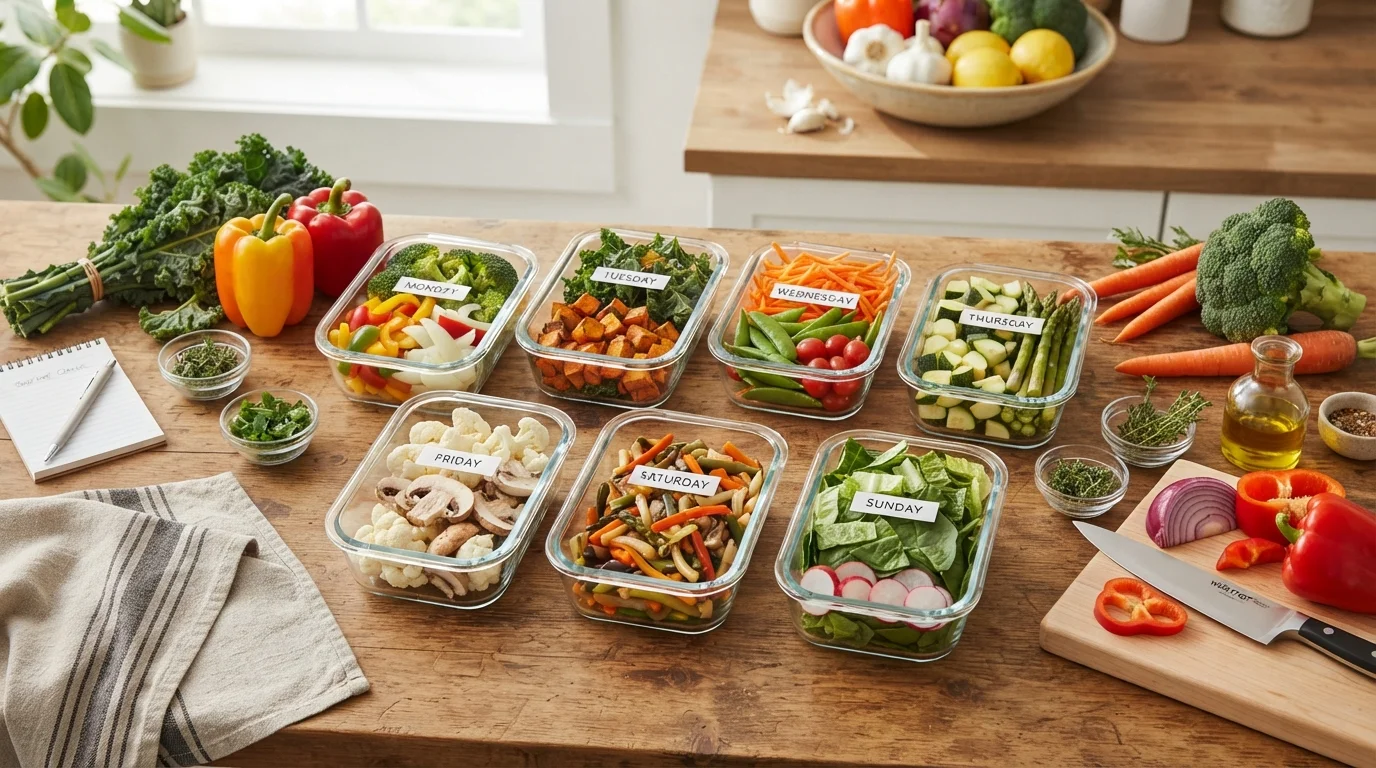
You know that feeling when you open the fridge on a Tuesday night and find a bag of limp carrots and slimy spinach? Yeah, we’ve all been there. The solution isn’t buying more vegetables — it’s knowing how to prep vegetables for the entire week the right way. Skip the sad, soggy produce and get a game plan that keeps your greens crisp and your bell peppers crunchy for days.
We’re talking about actual strategies that work with your lifestyle, not some Pinterest-perfect fantasy that requires four hours on a Sunday. Whether you’re a busy parent or someone who just wants to eat better without the daily scramble, these methods are built for real life. Let’s break down the smartest ways to handle your weekly vegetable prep so you never waste another dollar on rotting produce.
Why Prepping Vegetables Changes Your Cooking Game
When you have ready-to-go veggies in the fridge, you’re way more likely to actually use them. No more staring at a whole head of cauliflower wondering what to do with it. You just grab your pre-cut florets and toss them into a pan. That mental friction disappears, and suddenly cooking dinner feels easy.
Studies show that having prepped ingredients reduces decision fatigue. You save time during busy weeknights, and you also save money because you’re less tempted to order takeout. Plus, properly stored vegetables stay fresh significantly longer than ones thrown into the fridge as-is. It’s a simple habit that pays off in every single meal.
Don’t forget that prepped veggies also make quick and easy recipes come together in 15 minutes flat. That’s the kind of win you can feel good about on a Wednesday.
Choose the Right Vegetables for Your Week
Not every vegetable loves being prepped in advance. Some thrive, while others turn into mush. The key is knowing which ones to tackle and which ones to leave whole until you need them. Focus on sturdy vegetables like broccoli, cauliflower, carrots, bell peppers, and onions. These guys handle being cut and stored for days without losing their texture.
Leafy greens like lettuce and fresh herbs are more delicate. You can prep them, but only if you use the right technique. More on that in a minute. For now, make a list of the vegetables you use most often and prioritize those. Stick to 4-6 types per week so you don’t overwhelm yourself.
If you’re following a specific dietary plan, check out our collection of healthy special diet recipes to match your prepped veggies with meals that fit your goals.
The Essential Tools for Weekly Vegetable Prep
You don’t need a professional kitchen to get this done. Just a few smart tools make the whole process faster and more effective. Here’s what I recommend keeping on hand:
- Sharp chef’s knife — This is non-negotiable. A dull knife crushes cells and makes veggies go bad faster.
- Cutting boards — Have one for veggies and one for anything else. Wood or plastic both work fine.
- Glass or BPA-free plastic containers — Airtight is key. Mason jars work great for chopped herbs.
- Paper towels or clean kitchen towels — These absorb excess moisture that causes spoilage.
- Vegetable peeler and mandoline — Great for carrots, zucchini, and other root veggies.
Invest in good storage containers. They make the difference between crunchy carrots and sad, bendy ones. If you’re not sure which containers to use, clear glass ones let you see everything at a glance — no mystery containers hiding in the back of the fridge.
Step-by-Step: How to Prep Vegetables for the Whole Week
Let’s walk through the actual process. This is the part where you learn how to prep vegetables for the entire week without wasting time or energy. Follow these steps and adjust based on what’s in your shopping bag.
Step 1: Wash and Dry Everything Thoroughly
Wash all your vegetables under cold running water. For root veggies like potatoes and carrots, scrub them with a brush. The crucial step? Dry them completely. Moisture is the enemy of fresh produce. Use a salad spinner for leafy greens and pat everything else with paper towels. If you skip this, your veggies will turn into a science experiment by day three.
Step 2: Cut Based on How You Cook
Think about your meals for the week. If you roast a lot, cut into uniform chunks. If you stir-fry, slice into thin strips. If you snack, cut into sticks. The more your prepped veggies match your cooking style, the easier dinner gets. Store each type in its own container.
For carrots and celery, cut them into sticks and store submerged in cold water in a jar. They’ll stay crunchy for up to a week. Change the water every couple of days and they’re practically immortal.
Step 3: Store with the Right Technique
This is where most people mess up. Here’s a quick reference guide for storing common prepped vegetables:
| Vegetable | Prep Method | Storage Tip | Lasts Up To |
|---|---|---|---|
| Broccoli & Cauliflower | Cut into florets | Store in open bag, paper towel inside | 5-7 days |
| Bell Peppers | Slice or dice | Airtight container, dry | 4-5 days |
| Carrots & Celery | Cut into sticks | Submerged in water in jar | 7-10 days |
| Leafy Greens | Washed & dried | Container with paper towel, lid slightly ajar | 3-5 days |
| Onions | Diced | Airtight container in fridge | 3-4 days |
Using quality containers matters here. One popular option for long-lasting crispness is a container with a built-in strainer or moisture-control system. If you’re looking for a solid choice, confira esta opção that many home cooks swear by for keeping produce fresh.
How to Keep Fresh Herbs and Greens Alive Longer
Fresh herbs are the trickiest. They wilt faster than almost anything else. The secret weapon? Treat them like flowers. Trim the ends, place them upright in a jar with an inch of water, and cover loosely with a plastic bag. Store in the fridge. Change the water every two days and they’ll stay vibrant for up to two weeks.
For lettuce and spinach, wash and spin them dry. Then line a large container with a clean paper towel, add the greens, and place another paper towel on top. Leave the lid slightly open to let out excess humidity. This method keeps leaves crisp for almost a week.
If you ever find yourself with an abundance of herbs, use them in international cuisine recipes that really let their flavors shine.
Pro Tips to Avoid Common Vegetable Prep Mistakes
Even experienced home cooks slip up sometimes. Here’s what to watch out for so your weekly veggie prep stays solid from Sunday to Saturday.
Don’t cut everything the same day. Some vegetables are better prepped just before cooking. Potatoes, for example, oxidize and turn gray. Cut potatoes only a day ahead and store them submerged in cold water. Same goes for avocado — that’s a “cut when you eat” situation.
Don’t overcrowd your containers. Vegetables need some airflow. If you pack everything into a sealed box like sardines, moisture builds up and invites bacteria. Leave a little breathing room. Also, keep different types separate. Onions and potatoes both release gasses that speed up spoilage in nearby veggies.
Label everything. It takes twenty seconds and saves you from the mystery container game. Write the prep date on a piece of painter’s tape or use a dry-erase marker on glass containers. You’ll thank yourself on Friday.
For even more ideas on how to structure your kitchen routine, browse our dedicated hub of kitchen tips and meal prep guides.
FAQ: Everything You Still Want to Know About Prepping Vegetables
Can I prep vegetables and freeze them for later?
Yes, many vegetables freeze beautifully. Blanch them first (boil for 1-3 minutes, then ice bath) to lock in color and nutrients. Bell peppers, broccoli, and carrots are great candidates. Leafy greens don’t freeze well for eating raw, but they work in soups and smoothies.
How long do prepped vegetables actually last in the fridge?
It depends on the vegetable and storage method. Sturdy ones like carrots and broccoli last 5-7 days. Delicate ones like lettuce last 3-5 days. Follow the table above for specific guidelines. Trust your senses — if it looks or smells off, toss it.
Should I wash vegetables before or after cutting?
Wash them whole, then cut. Washing after cutting exposes more surface area to water and bacteria, which accelerates spoilage. Clean them, dry them, then slice.
What’s the best way to store cut onions?
Place diced or sliced onions in an airtight container in the fridge. They last 3-4 days. For longer storage, you can also freeze diced onions directly in a bag — no need to blanch. They’ll be slightly softer when thawed but perfect for cooking.
Can I prep mushrooms in advance?
Mushrooms are tricky because they’re like sponges. Never wash them until you’re ready to use them. Instead, brush off dirt with a dry cloth. If you must prep them, slice and store in a paper bag in the fridge. Use within 2-3 days.
Why do my prepped vegetables turn brown?
Oxidation. This happens when the flesh of vegetables like potatoes, apples, and avocado is exposed to air. To prevent it, toss cut pieces with a little lemon juice or vinegar. For potatoes, keep them submerged in cold water until you’re ready to cook.
Do I need special containers for vegetable prep?
Not necessarily. Airtight glass or plastic containers work well. The trick is controlling moisture — add a paper towel inside to absorb excess water. Some people love dedicated produce saver containers, but they’re not essential if you follow proper drying and storage methods.
Is it worth prepping vegetables if I’m the only one eating them?
Absolutely. Prepping for one is even more important because you’re less likely to use a whole head of cabbage before it goes bad. Just scale down the quantities. Prep what you know you’ll eat in 4-5 days and buy fresh for the rest of the week.
Your Weekly Vegetable Prep Starts Now
Knowing how to prep vegetables for the entire week isn’t about becoming a meal prep influencer. It’s about making your life easier, your meals tastier, and your grocery budget happier. Start small — pick three vegetables you use most and prep them this weekend. See how it changes your cooking flow.
Once you get the hang of it, expand your routine. Try new storage techniques, experiment with different cuts, and enjoy the freedom of a fridge full of ready-to-use produce. Your future self, standing in front of the stove on a busy Tuesday, will thank you.
And hey, if you end up with extra prepped veggies, toss them into a stir-fry or a sheet pan dinner. The possibilities are endless when you have a head start.


