How to Cook More Efficiently With Better Kitchen Workflow
Ever feel like you’re running around the kitchen like a headless chicken while dinner burns on the stove? You’re not alone. Most home cooks waste precious minutes—and energy—simply because their kitchen workflow is a mess. The good news? With a few strategic tweaks, you can cook more efficiently, stress less, and actually enjoy the process.
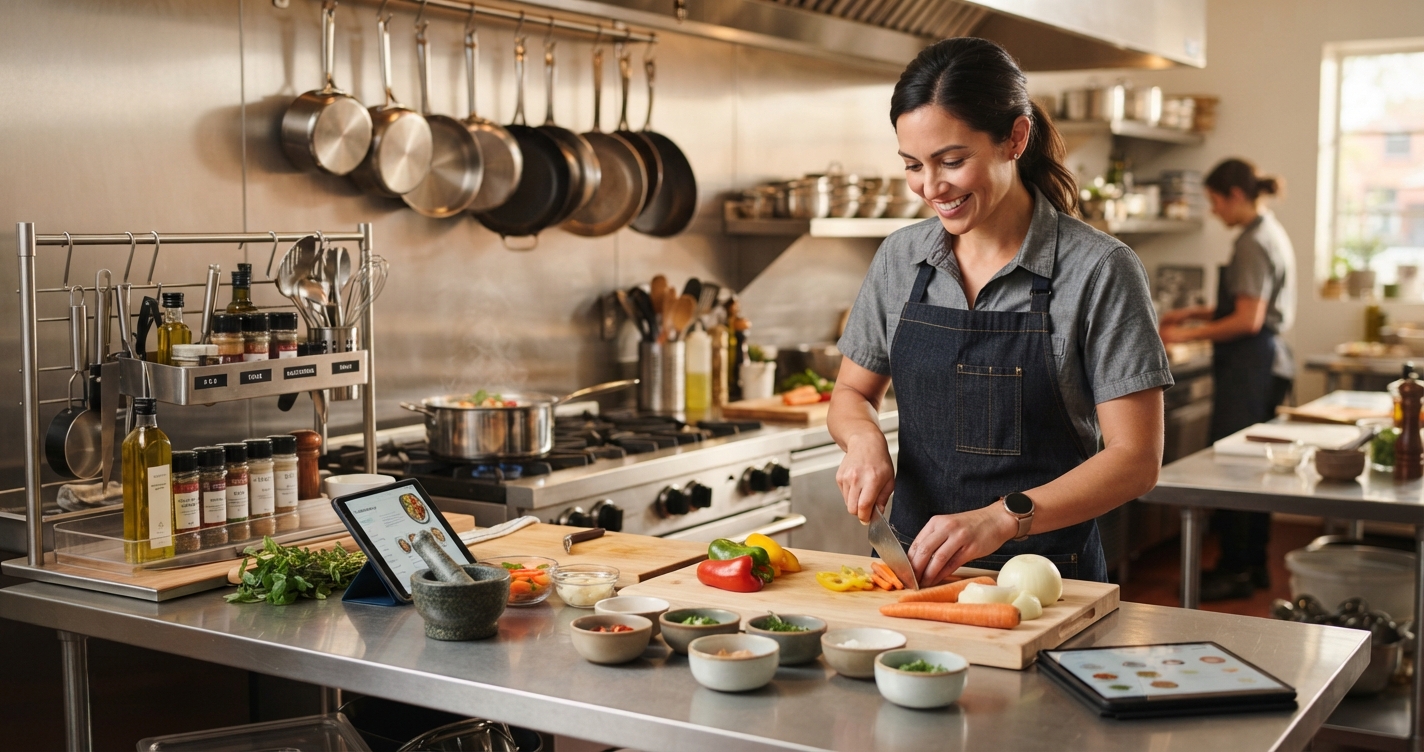
Think of your kitchen like a professional chef’s station. Every tool, ingredient, and step has a purpose. When you streamline that flow, you cut cooking time in half without sacrificing quality. Let’s break down exactly how to make that happen.
Why Kitchen Workflow Matters More Than You Think
Kitchen workflow isn’t just about speed. It’s about reducing friction. Every time you stop to search for a lid, wash a knife mid-recipe, or realize you’re out of salt, you break your concentration. That leads to mistakes, overcooked food, and frustration.
A solid workflow keeps you in a rhythm. You move from prep to cooking to plating with minimal interruptions. This isn’t just a pro chef trick—it’s a skill anyone can learn. And it starts with how you set up your space.
Mise En Place: The Golden Rule of Efficient Cooking
You’ve heard the French term “mise en place,” but do you actually practice it? It means “putting in place,” and it’s non-negotiable if you want to cook more efficiently.
Before you turn on a single burner, chop all your vegetables, measure your spices, and portion your proteins. Store them in small bowls or on a sheet tray. This way, when the pan is hot, you’re just grabbing and adding.
Without mise en place, you’re scrambling to chop an onion while your garlic burns. With it, you glide through the recipe. Spend 10 minutes prepping upfront to save 20 minutes of frantic cooking later.
Set Up Your Kitchen Stations Like a Pro
Professional kitchens are organized into stations. You don’t need a full line, but you do need zones. Divide your counter into three clear areas:
- Prep Zone: Cutting board, knives, vegetable peeler, and a trash bowl for scraps.
- Stove Zone: Spatulas, tongs, oils, and seasonings within arm’s reach of the burners.
- Plating Zone: Serving plates, bowls, and garnishes ready to go.
This simple layout prevents cross-traffic and keeps you from walking back and forth. You’ll notice immediately how much faster quick and easy recipes come together when your workflow is dialed in.
Invest in Tools That Do the Heavy Lifting
Not all kitchen gadgets are gimmicks. A good chef’s knife, a microplane, and a reliable food processor can cut your prep time drastically. Think about your most repetitive tasks—grating cheese, mincing garlic, chopping nuts—and find the tool that automates it.
One tool worth considering is a quality spiralizer or mandoline if you cook with lots of vegetables. If you’re exploring healthy special diet recipes, these tools make it easy to turn zucchini into noodles or slice sweet potatoes evenly for chips.
For those who enjoy baking or keto-friendly treats, a solid electric mixer and silicone baking mats save cleanup time. You can even check out this keto breads and desserts resource for further inspiration on low-carb baking that fits your new efficient workflow.
Master the Art of Parallel Cooking
Most home cooks cook sequentially—finish one dish, then start the next. The pros cook in parallel. While your pasta water boils, you’re sautéing the sauce. While the chicken rests, you’re steaming the broccoli.
To cook more efficiently, read your entire recipe and identify every “waiting time.” Simmering, boiling, resting—these are windows to do other tasks. Use a timer, but don’t stand idle. Always have a next step ready.
This technique is especially powerful when tackling international cuisine recipes that often have multiple components, like stir-fries or curries.
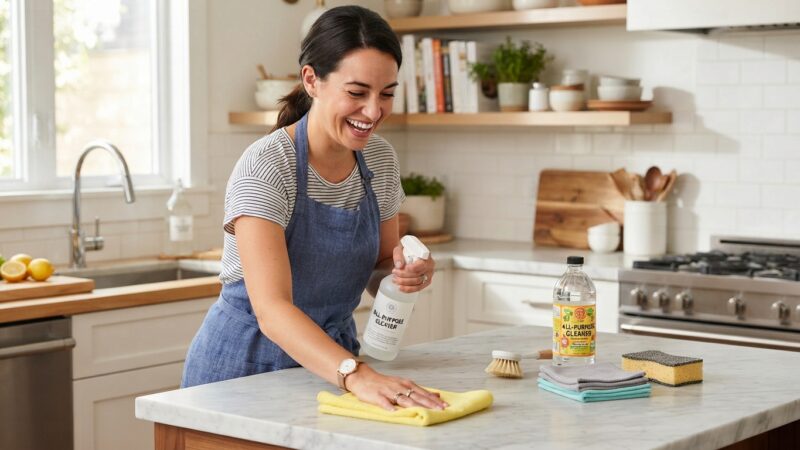
Clean as You Go (Without Losing Momentum)
Nothing kills workflow like a mountain of dirty dishes at the end. But stopping to wash every spoon mid-cooking isn’t the answer either. The trick is to clean strategically.
Fill your sink with hot, soapy water. As you finish with a measuring cup or a bowl, drop it in. Wipe your cutting board between ingredients. Use a damp towel to catch spills immediately. This keeps your workspace clear without pulling you out of cooking mode.
You’ll finish dinner with only a few items to scrub, and your kitchen will still look presentable. That mental clarity helps you stay focused on the food.
Plan Your Weekly Menu Like a Pro
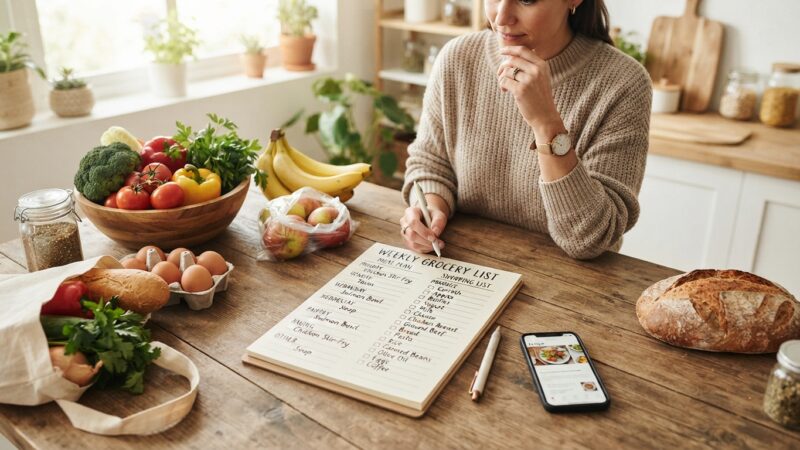
Efficient cooking doesn’t start at the stove—it starts at the grocery store. Without a plan, you buy random ingredients that don’t work together, leading to waste and last-minute takeout.
Spend 15 minutes each week mapping out 4–5 dinners. Check your pantry first, then write a precise shopping list. Stick to it. When you have all your ingredients ready, every cooking session becomes smoother.
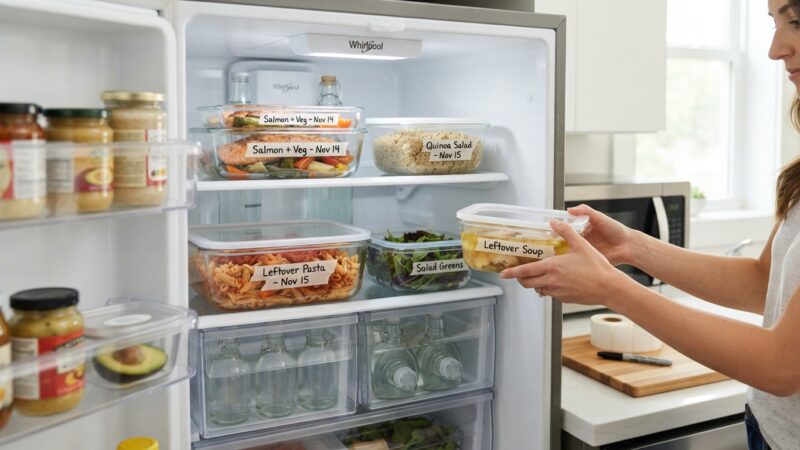
For example, if you’re making roasted chicken on Monday, roast extra vegetables to use in a Tuesday grain bowl. This cross-utilization is the secret behind successful kitchen tips and meal prep strategies.
Use This Quick Workflow Comparison Table
| Task | Inefficient Approach | Efficient Workflow |
|---|---|---|
| Chopping vegetables | Chop one veggie, then retrieve next from fridge | Take out all veggies at once, chop everything, store in bowls |
| Boiling pasta | Wait for water to boil, then prep sauce | Start water boiling, prep sauce while it heats |
| Cleaning dishes | Wash everything after the meal | Soak and wipe as you go, final wash after plating |
| Reading a recipe | Read step-by-step as you cook | Read whole recipe first, prep ingredients, then cook |
This table shows just how much time you reclaim by shifting your mindset from reactive to proactive. Efficiency is a habit, not a gift.
Frequently Asked Questions
What is the single most important tip to cook more efficiently?
Practice mise en place. Chop, measure, and organize everything before you start cooking. It transforms your entire experience.
How can I improve my kitchen workflow on a small budget?
Focus on three things: a sharp knife, a large cutting board, and a trash bowl. These cost under $50 combined and make a massive difference.
Should I batch cook all my meals on Sunday?
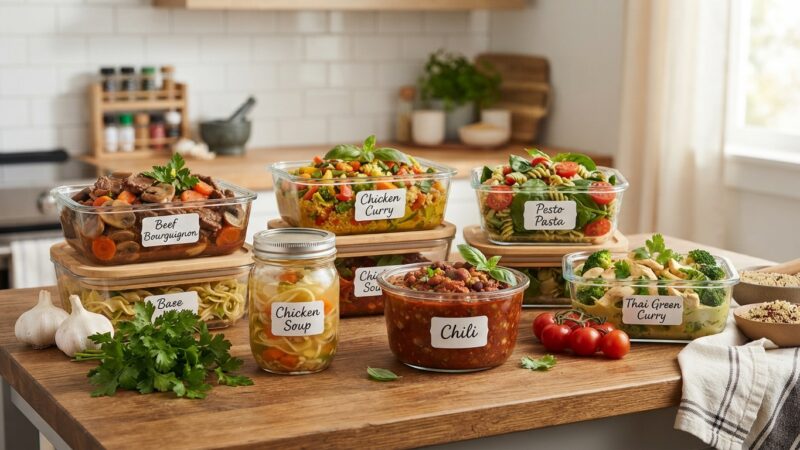
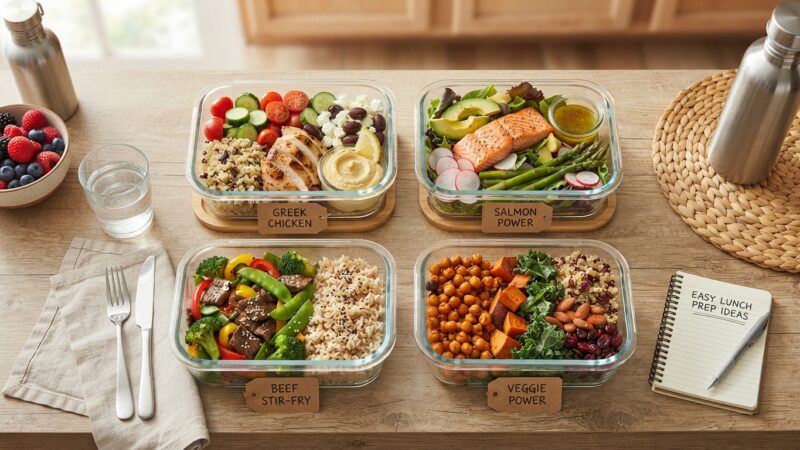
Not necessarily. Batch prep ingredients, not full meals. Cook grains, chop veggies, and marinate proteins. Assemble fresh each night.
Does kitchen layout really affect cooking speed?
Absolutely. According to Serious Eats’ kitchen efficiency guide, even moving your trash bin closer to your prep area saves hundreds of steps per week.
What’s the best way to avoid dirtying too many dishes?
Use one cutting board for multiple ingredients (clean as you go). Reuse bowls. Cook one-pot meals like stir-fries, soups, or sheet pan dinners.
How do I stay efficient when cooking with kids helping?
Give them specific, safe tasks like washing produce or setting the table. Prep as much as possible before they join you.
Can efficient cooking help with weight loss goals?
Yes. When you cook more efficiently, you’re more likely to cook from scratch instead of ordering takeout, giving you full control over ingredients.
Conclusion
Cooking more efficiently isn’t about rushing—it’s about removing obstacles. When your kitchen workflow is smooth, cooking becomes a pleasure instead of a chore. You save time, reduce waste, and produce better meals.
Start small. Pick one tip from this article and apply it this week. Maybe it’s setting up your stations. Maybe it’s cleaning as you go. Once that becomes automatic, add another. Over time, you’ll transform from a stressed home cook into a calm, confident one.
Your kitchen is your stage. Set it up well, and every meal will be a standing ovation.