How to Create a Weekly Grocery List That Works
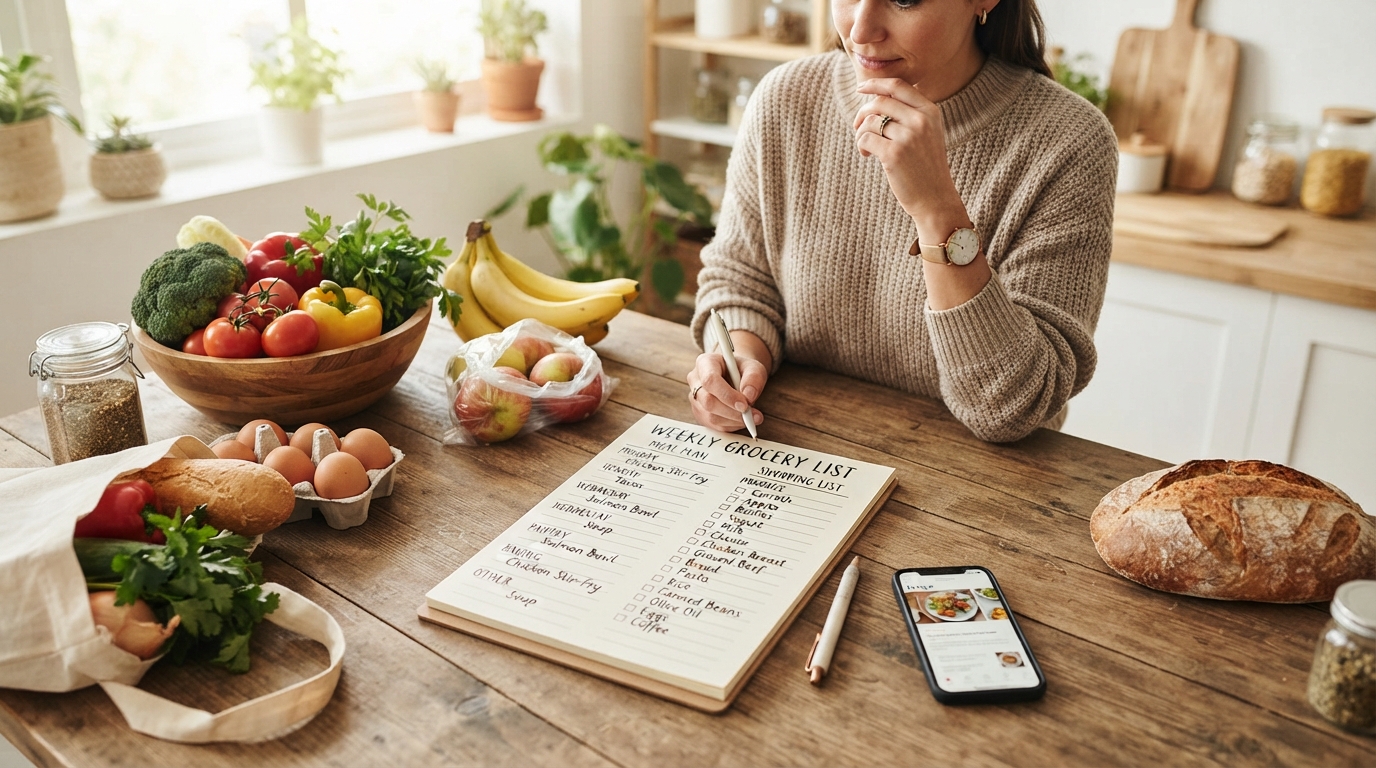
Standing in the middle of a supermarket, phone in hand, trying to remember if you still have eggs at home — we have all been there. That chaotic, no-list style of shopping is exactly why you end up buying three jars of pasta sauce you do not need and forgetting the cilantro for Tuesday’s tacos.
A solid weekly grocery list is the backbone of efficient cooking. It saves you time, stops impulse buys, and shrinks your food waste dramatically. But not all lists are created equal. You need a system that actually works with your life, not a rigid spreadsheet that makes you feel like a robot.
In this guide, I will share the exact method I use to build a meal prep grocery list that keeps my kitchen stocked, my budget happy, and my sanity intact. Forget vague advice — here is the tactical, step-by-step plan you can start using this Sunday.
1. Audit Your Pantry, Fridge, and Freezer First
Before you write a single word on your grocery list, open every cabinet, drawer, and shelf. You need to know exactly what you already have. I cannot tell you how many times I bought a second bottle of fish sauce because I forgot about the half-empty one hiding behind the soy sauce.
Take a quick inventory of these core areas:
- Canned goods (tomatoes, beans, coconut milk)
- Grains and pasta (rice, quinoa, spaghetti)
- Spices and condiments (olive oil, vinegar, soy sauce)
- Frozen vegetables and proteins
- Fresh produce that is still good
This step takes less than ten minutes. Write down everything you have in stock. Now, when you plan your meals, you will use those ingredients first. That is the single best grocery planning tips I can give you — shop your own home before you shop the store.
2. Plan Your Meals Around a Loose Theme
Do not plan seven entirely different, complex dinners. That is a recipe for burnout and a wasted bag of arugula. Instead, use the “theme nights” approach. This makes your weekly grocery list smaller, cheaper, and faster to execute.
Here is a template I rotate every week:
| Day | Theme | Example Dish |
|---|---|---|
| Monday | Quick & Easy | 15-minute stir-fry with frozen veggies |
| Tuesday | Taco / Bowl Night | Black bean tacos with avocado |
| Wednesday | Pasta Night | Pasta aglio e olio with a side salad |
| Thursday | Sheet Pan / One-Pot | Roasted chicken thighs with potatoes |
| Friday | International Cuisine | Thai green curry with jasmine rice |
| Saturday | Leftover / Clean-out | Use up what is left in the fridge |
| Sunday | Meal Prep Day | Cook proteins and grains for the week |
Notice how many ingredients repeat across these meals? Onions, garlic, rice, and a few spices show up again and again. That means you buy fewer unique items. Want inspiration for your “Quick & Easy” or “International Cuisine” nights? Check out our collection of global weeknight recipes to keep things exciting without extra effort.
3. Write Your List by Store Layout — Not by Meal
This is a game-changer. Most people write their list in the order of meals: Monday’s ingredients, then Tuesday’s, etc. That forces you to zigzag across the store six times. Instead, organize your meal prep grocery list by department.
Group items together like this:
- Produce
- Meat & Seafood
- Dairy & Eggs
- Dry Goods & Canned
- Frozen
- Spices & Oils
When you walk into Walmart or your local market, you hit the produce section first, grab everything from that list section, then move to meat, and so on. You only pass each aisle once. This simple reorganization shaves 15 to 20 minutes off your shopping trip and reduces impulse buys because you are not wandering aimlessly.
4. Always Include a “Wildcard” and a “Backup” Meal
Life happens. You will have a day where the stir-fry sounds terrible, or you get invited out for dinner, or the kids refuse to eat the quinoa. If your list is too rigid, one unmet plan can derail the entire week and send you straight to takeout.
Add two flexible slots to your weekly grocery list:
- Wildcard meal: A simple, shelf-stable option like frozen pizza, canned soup, or a box of good pasta. This is your “I do not feel like cooking tonight” safety net.
- Backup protein: A pre-cooked rotisserie chicken or a pack of frozen meatballs. If a recipe fails, you can throw this into a salad or sandwich in five minutes.
These two small additions stop the “screw it, let’s order pizza” moment before it happens. They are cheap and keep you on track.
5. Stick to the Perimeter, and Shop Once a Week Only
You have probably heard this advice before: the healthiest food lives on the perimeter of the grocery store (produce, meat, dairy). The middle aisles are processed stuff. But I want to add a specific grocery planning tips here: limit yourself to one major shopping trip per week.
When you go to the store three times a week, you buy more. Period. Each trip is a fresh opportunity for impulse purchases. If you forgot cilantro, do not go back to the store for one herb. Use dried herbs, swap in parsley, or skip it. Train yourself to adapt instead of running out immediately.
If you really hate running out of fresh produce, plan a single, small mid-week stop (like hitting the farmer’s market on Wednesday for lettuce). But your main, big-budget shop should happen once. This drastically helps you master meal prep efficiency and keeps your wallet full.
6. Use a Digital Note or a Magnetic Pad — But Never Your Memory
Your brain is not designed to remember fourteen items across five meals. Even if you think you have a good memory, stress and tiredness will beat it every time. You need an external tool. But the tool matters less than the habit of writing everything down.
My recommendation: use a shared notes app (like Google Keep or Apple Notes) that syncs with your partner or roommate. Every time you run out of olive oil or notice the butter is low, you add it to the list immediately — in real time. By Sunday, the list is already half-written.
If you prefer paper, keep a magnetic notepad on the fridge door. The key is that the list lives in one permanent place. Do not rely on napkins, sticky notes on the dashboard, or mental tricks.
For those looking to reduce food waste further, the USDA offers a thorough resource on smart shopping habits that align perfectly with this method.
Frequently Asked Questions About Creating a Weekly Grocery List
1. How long should my weekly grocery list be?
For a household of two adults, a realistic list has 20 to 30 items. If you are feeding a family of four, expect 35 to 45 items. If your list is longer than that, you are probably over-planning or buying too many specialty ingredients.
2. Should I include snacks on my grocery list?
Yes, but limit them to 2 or 3 options. Pre-planning snacks stops you from grabbing a bag of chips at the checkout counter. Think fruit, nuts, yogurt, or a single treat you actually love.
3. What if my store does not have an item on my list?
Do not panic. Cross it off and decide on a substitute before you leave the aisle. If they have no cilantro, use parsley. If they are out of chicken thighs, buy drumsticks. Flexibility keeps your budget intact.
4. How do I share a grocery list with my family?
Use a free shared app like AnyList, Google Keep, or even a simple WhatsApp group chat with a pinned message. Any system that updates in real time on everyone’s phone works beautifully.
5. Can I meal prep without a separate grocery list?
Technically, yes, but it is far less efficient. The list acts as your blueprint. Without it, you will overbuy or forget critical components like the sauce for your prep containers. Treat the list as non-negotiable.
6. How much money can I save with a proper list?
Studies and personal experience show that shopping with a structured list saves 15% to 25% on average per trip. That is because you avoid impulse purchases and buy exactly what you need.
7. What is the best day to make my grocery list?
Saturday morning or Sunday morning — right before your shopping trip. But start the drafting process throughout the week as you notice items running low. Do not wait until the last minute.
8. Should I include breakfast and lunch items too?
Absolutely. A weekly grocery list should cover all meals, not just dinner. Plan simple breakfasts (eggs, oatmeal, smoothie ingredients) and packable lunches (tuna, salad greens, whole-wheat bread) to avoid buying lunch out.
Build Your List, Take Control of Your Week
A grocery list is not just a piece of paper — it is a commitment to yourself. It says, “I value my time, my money, and the food I put into my body.” The best part is that this system gets easier every single week.
Start small. Next Sunday, just audit your pantry and plan three dinners. Do not try to become a meal prep guru overnight. Once you see how much calmer and cheaper your weeks become, you will naturally want to expand. If you are looking for more healthy and budget-friendly meal ideas, we have you covered.
One last trick: keep a running list of the meals your family actually finishes. Over time, you will notice patterns. Those patterns become your go-to rotation, and that rotation makes your how to save money on groceries efforts almost effortless. Happy shopping, and even happier cooking.
Disclosure: Some links in this article are affiliate links. If you click and make a purchase, we may earn a small commission at no extra cost to you. We only recommend products we genuinely believe in.
Recommended Tool to Supercharge Your Meal Prep
If you are serious about keeping your weekly grocery list lean while still enjoying bold flavors, consider adding a few versatile staples to your pantry. One of the easiest ways to do this is by having keto-friendly bread and dessert mixes on hand. They are surprisingly low-carb, take minutes to prepare, and save you from expensive bakery runs. If you want to explore that route, check out these top-rated keto bread and dessert options that fit perfectly into a meal prep routine.