International Cooking Tips Every Home Chef Should Know
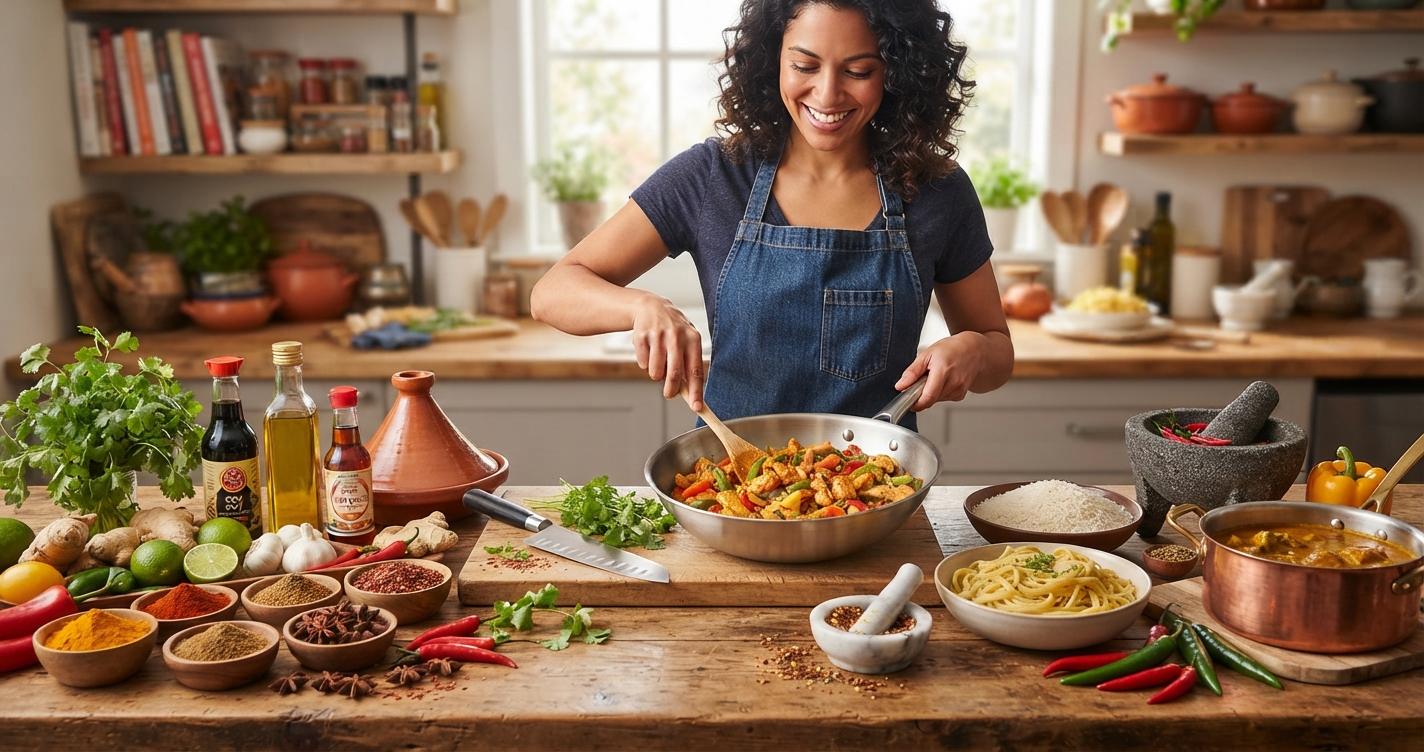
Have you ever watched a cooking show and wondered how chefs get that perfect depth of flavor in a Thai curry or that silky texture in a French sauce? The secret isn’t a magic ingredient—it’s a set of international cooking tips that home chefs use to bring authentic taste to their kitchens. Whether you’re a weekend warrior or a daily cook, mastering these global techniques will transform your meals.
Exploring world cuisine is one of the most rewarding parts of home cooking. You don’t need a plane ticket to taste Thailand, Italy, or Morocco. You just need the right approach, a few key tools, and some insider knowledge. Let’s dive into the techniques that will make your kitchen feel like a global hub.
Master the Art of Layering Flavors (The Asian Way)
In many Asian cuisines, flavor isn’t added all at once—it’s built in layers. Think of a Thai stir-fry or a Japanese miso soup. You start with aromatics like garlic, ginger, and lemongrass, then add a protein, followed by liquids like soy sauce or coconut milk, and finish with fresh herbs.
The trick is timing. For example, in a classic Pad Thai, you fry the shrimp paste and tamarind paste first to deepen their flavor before adding noodles. This global cooking technique infuses every ingredient with complexity. For more quick ideas that use layering, check out our quick and easy recipes that rely on this exact method.
Another pro tip: always toast your spices before adding liquid. In Indian cooking, cumin seeds and mustard seeds are dry-roasted until fragrant before they’re ground or used in oil. This releases essential oils and creates a richer taste.
Use the Right Oil for the Right Heat
One of the simplest home chef tips is knowing your smoke point. Olive oil is great for Mediterranean salads and low-heat sautéing, but it burns quickly at high temperatures. For stir-frying or deep-frying, reach for oils like avocado, peanut, or grapeseed. These oils can handle the high heat of a wok without turning bitter.
In Italian cuisine, a drizzle of extra-virgin olive oil is often added after cooking to preserve its peppery flavor. In Chinese cooking, vegetable or peanut oil is used for the intense heat of a stir-fry. Using the wrong oil can ruin an otherwise perfect dish, so keep a couple of bottles with different smoke points in your pantry.
If you’re exploring health-conscious cooking, you might want to combine this tip with lighter options. Our healthy and special diet recipes show how to swap oils without sacrificing flavor.
Learn the Basics of Regional Knife Cuts
Knife skills aren’t just about speed—they affect how food cooks and how it tastes. In French cuisine, a brunoise (tiny dice) is used for soups and sauces to ensure even cooking and a refined texture. In Latin American cooking, a rough pico de gallo chop creates chunky salsas that hold their shape.
For example, when making a Thai green curry, vegetables should be cut on a bias (diagonally). This increases surface area, allowing them to absorb more coconut milk and spices. Consistency is key: if your carrots are smaller than your chicken, the carrots will overcook. Practice a few basic cuts and your meals will instantly look and taste more professional.
Understand the Role of Acidity in Global Cuisines
Acidity brightens dishes and balances richness. In Mexican cuisine, lime juice is squeezed over tacos and ceviches to cut through the fat of meat or avocado. In Italian cooking, a splash of lemon or vinegar in a pan sauce deglazes the pan and lifts leftover brown bits (fond) for extra flavor.
This principle is universal. Middle Eastern dishes often use sumac or pomegranate molasses for a tangy kick. Japanese chefs add a dash of rice vinegar to sushi rice for balance. If a dish tastes flat, it’s usually missing acid—just a squeeze of lemon or a teaspoon of vinegar can transform it. For more global flavor ideas, browse our international cuisine collection.
Mastering the Umami Bomb (Without MSG)
Umami is that savory, mouthwatering quality found in Parmesan, soy sauce, and mushrooms. Different cuisines have their own umami boosters. The Japanese use kombu (kelp) and bonito flakes for dashi. The Italians use aged cheeses and sun-dried tomatoes. The Koreans rely on gochujang (fermented chili paste).
Here’s a quick reference table to help you incorporate umami into your dishes:
| Cuisine | Umami Ingredient | How to Use It |
|---|---|---|
| Japanese | Miso paste | Stir into soups, marinades, or glazes |
| Italian | Anchovy paste | Melt into pasta sauces or dressings |
| Korean | Gochujang | Use in stews, marinades, or as a condiment |
| French | Dried porcini mushrooms | Rehydrate and add to risottos or sauces |
| Thai | Fish sauce | Add sparingly to curries and stir-fries |
Start with one or two of these ingredients. A teaspoon of miso in a tomato sauce or a dash of fish sauce in a stew won’t make it taste Asian—it will just make it taste deeper and more satisfying. For more inspiration, The New York Times Cooking offers excellent guides on using umami ingredients in everyday meals.
Think About Texture and Contrast
World-class dishes rarely have a single texture. A Vietnamese pho has silky noodles, tender beef, and crunchy bean sprouts. A classic Spanish tortilla has a creamy interior and a crispy exterior. Texture keeps every bite interesting.
One easy way to add contrast is through garnishes. Toasted sesame seeds, crushed peanuts, crispy fried shallots, or fresh herbs can turn a soft dish into a sensory experience. This is especially important in one-pot meals. For example, if you’re making a creamy risotto, finish it with a sprinkle of crispy pancetta or toasted pine nuts.
If you’re feeling adventurous, try a no-bake dessert with contrasting textures. Our desserts and baking section has ideas like crunchy graham crusts with silky custards that balance soft and firm perfectly.
Don’t Overcrowd the Pan—Respect the Maillard Reaction
The Maillard reaction is the chemical process that gives browned food its deep, nutty flavor. It happens when proteins and sugars are exposed to heat. The number one mistake home cooks make is overcrowding the pan. When too much food is added, the temperature drops, and ingredients steam instead of searing.
This is critical in French and American cooking. When making a steak or a pan-seared chicken breast, cook in batches if needed. Leave space between each piece. You want a golden-brown crust, not a gray, soggy surface. The same applies to vegetables: roasted Brussels sprouts get caramelized edges only when they touch the hot pan directly.
For a deeper dive into optimizing your cooking techniques, check out the articles on Serious Eats, which explores the science behind the Maillard reaction and many other principles.
Work With Fermentation (The Oldest Trick)
Fermented ingredients are the backbone of many world cuisines. Sauerkraut in Germany, kimchi in Korea, miso in Japan, and yogurt in the Middle East all rely on fermentation. They add complexity, probiotics, and acidity that instantly elevate a dish.
You don’t need to ferment your own vegetables (though it’s fun). Start by using fermented ingredients as condiments. A spoonful of kimchi can upgrade scrambled eggs or a grilled cheese sandwich. A dollop of yogurt in a curry adds creaminess and a tangy note. If you’re following a low-carb or keto lifestyle, fermented sauces can add bold flavor without sugar. For example, check out this popular keto bread and dessert collection that pairs well with savory ferments like sauerkraut or pickled vegetables.
Another simple trick: add a splash of pickle brine to a potato salad or a vinaigrette. It adds instant acidity and saltiness that ties all the flavors together.
Prep Like a Pro: Mise en Place
Mise en place is French for “putting in place.” It means measuring, chopping, and arranging every ingredient before you start cooking. This might seem tedious, but it’s the single most effective way to cook like a professional. When your ingredients are ready, you can focus on timing and technique without scrambling.
This is especially useful for international cooking tips that involve multiple components, like a Thai curry or a Moroccan tagine. If you have to stop and chop an onion while your garlic is burning, you’ll lose control of the dish. Set up small bowls or prep stations. Even 10 minutes of prepping can save 30 minutes of stress during cooking.
For more organization hacks and weekly prep strategies, explore our kitchen tips and meal prep guides.
Frequently Asked Questions
What is the best way to start cooking international food at home?
Pick one cuisine and master a single dish. Start with something simple like a stir-fry or a pasta dish. Learn the key spices and techniques used in that cuisine, then expand. Trying too many cuisines at once can be overwhelming.
Do I need special equipment for international cooking?
Not necessarily. A good chef’s knife, a heavy-bottomed pan, and a pot are enough for most cuisines. For Asian dishes, a wok is helpful but not mandatory. A mortar and pestle can elevate curry pastes and spice blends.
What are the most versatile spices to have on hand?
Cumin, coriander, paprika, turmeric, and cinnamon. These appear in cuisines from India to Mexico to Morocco. Also keep red pepper flakes and black pepper for heat and depth.
How can I make my dishes taste more authentic?
Focus on technique and balance, not just ingredients. For example, a Thai curry should have sweet, salty, sour, and spicy elements. Taste as you go and adjust. Also, use fresh herbs and aromatics instead of dried ones when possible.
Can I adapt international recipes to be healthier?
Absolutely. Swap heavy cream for coconut milk in curries, use olive oil instead of butter in Mediterranean dishes, or reduce salt by using umami-rich ingredients like miso or anchovy paste. Small modifications keep the flavor intact.
What is the number one mistake when cooking international dishes?
Overcomplicating things. Many home cooks buy too many exotic ingredients and forget basic principles like heat control and seasoning. Stick to a few key components and practice them well.
Are there any budget-friendly ways to explore international cuisine?
Yes. Focus on pantry staples like rice, beans, lentils, and pasta. Spices are a one-time investment that last months. Explore cuisines that use inexpensive ingredients creatively, like Indian dals or Mexican tacos with beans.
How do I store fresh herbs and spices properly?
Fresh herbs like cilantro and basil should be kept in a jar with water in the fridge, covered loosely with a plastic bag. Dried spices should be stored in airtight containers away from heat and light. Replace ground spices every six months for best flavor.
Conclusion
Becoming a confident home chef isn’t about owning expensive gadgets or exotic ingredients. It’s about learning the principles that cooks around the world have used for centuries. From layering flavors and balancing acidity to prepping like a pro, these international cooking tips will help you create memorable meals in your own kitchen.
Start small—try one tip this week. Maybe it’s toasting your spices before a stir-fry or using a splash of vinegar to finish a soup. Each small shift builds your skill and your confidence. The world is on your plate. Now go make it delicious.