The Ultimate Guide to Exploring World Cuisine in 2026
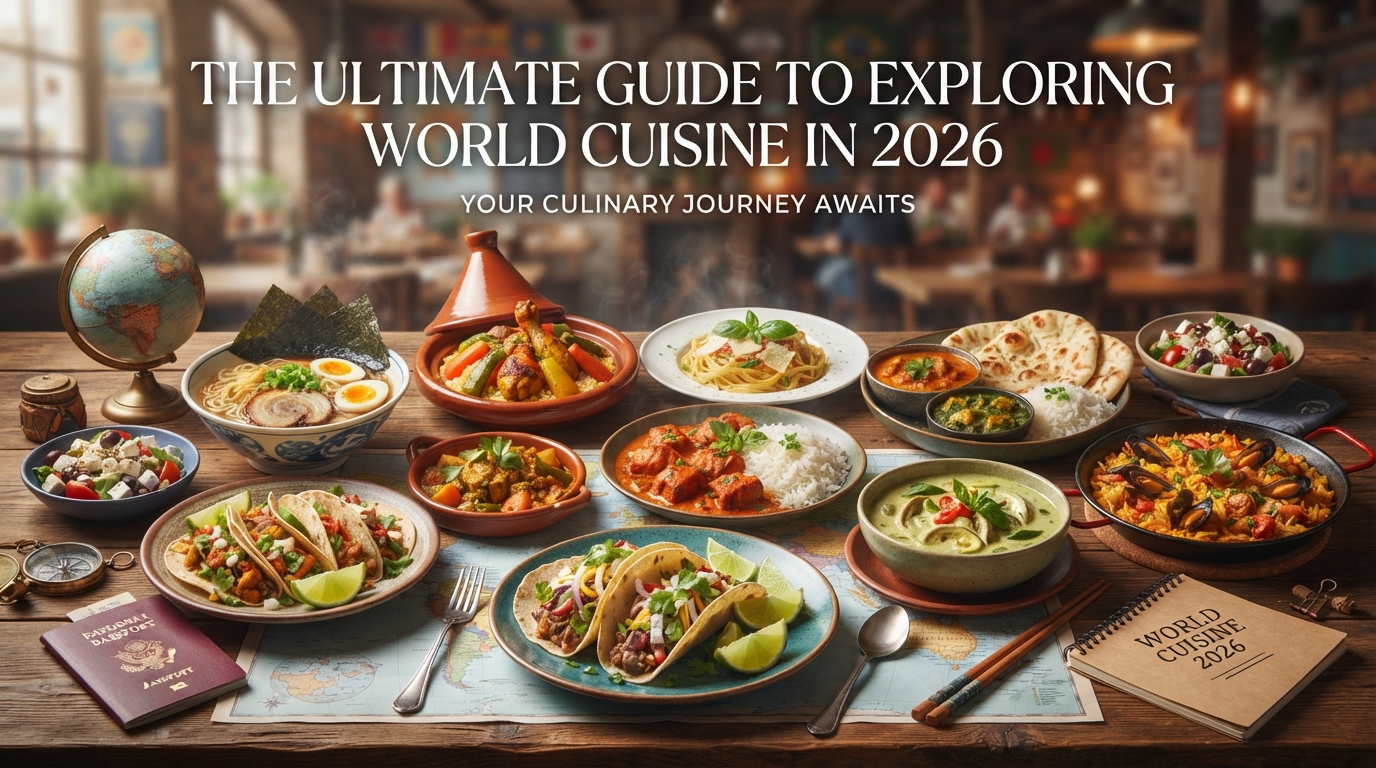
Food is the ultimate passport. In 2026, the way we explore global flavors is changing faster than ever. Whether you are a seasoned home cook or a curious beginner, understanding world cuisine in 2026 means more than just trying new dishes—it is about connecting with cultures, embracing sustainability, and making authentic international recipes your own.
This guide will walk you through the most exciting global food trends for the year ahead. We will cover everything from street food staples to high-end fusion techniques. Plus, you will find practical tips to bring these flavors into your own kitchen without needing a plane ticket.
Why 2026 Is a Pivotal Year for Global Food Trends
The culinary world is shifting. We are seeing a move away from overly complicated dishes toward honest, ingredient-driven cooking. People want real stories behind their meals. This year, global food trends are heavily influenced by climate consciousness and a renewed respect for traditional cooking methods.
Fermentation, for example, is no longer just a buzzword. It is a cornerstone of kitchens from Seoul to Copenhagen. Home cooks are experimenting with kimchi, miso, and sourdough starters like never before. This hands-on approach connects you directly to the roots of international cuisine.
Another major trend is the rise of “hyper-local” ingredients used in global dishes. Chefs are swapping imported spices for locally grown alternatives. This not only reduces carbon footprint but also creates entirely new flavor profiles. If you are looking to stay ahead, check out our collection of healthy and special diet recipes that align with these eco-friendly values.
1. The Rise of West African Cuisine
West African food is having a major moment in 2026. Dishes like jollof rice, egusi soup, and suya skewers are appearing on menus worldwide. The reason is simple: bold, complex flavors that hit every note—smoky, spicy, tangy, and savory.
The key to cooking authentic West African food lies in the building blocks. Red palm oil, Scotch bonnet peppers, and fermented locust beans (iru) are essentials. You do not need a full pantry to start, though. A good smoked paprika and fresh ginger can get you surprisingly close.
Want to dive deeper? Our dedicated international cuisine section features step-by-step guides for these vibrant recipes. Start with a classic peanut stew, and you will understand why this cuisine is unstoppable.
2. Authentic Asian Street Food at Home
Street food remains the heart of authentic ethnic cooking. In 2026, the trend is about recreating that street-side magic in your own backyard. Think Taiwanese scallion pancakes, Vietnamese bánh mì, and Thai boat noodles.
The secret is mastering a few versatile sauces and marinades. A basic Vietnamese nuoc cham (fish sauce, lime, sugar, chili, garlic) works on salads, proteins, and spring rolls. A good Thai green curry paste can elevate a simple vegetable stir-fry into something spectacular.
Here are three essential street food staples you can easily make at home:
- Japanese Okonomiyaki: A savory cabbage pancake topped with mayo, bonito flakes, and okonomiyaki sauce. It is forgiving and fun to customize.
- Indian Chaat: Crispy fried dough (papdi) topped with yogurt, chutneys, and crunchy sev. Tangy, sweet, and spicy in every bite.
- Korean Tteokbokki: Chewy rice cakes simmered in a gochujang-based sauce. It is the ultimate comfort food for cold evenings.
For a quick weeknight version of these dishes, browse our quick and easy recipes. You can have a satisfying bowl of noodles on the table in under 30 minutes.
3. Mediterranean Bowls: The Perfect 2026 Meal
The Mediterranean diet continues to dominate, but in 2026, it is all about the bowl format. Think hearty bases of farro or freekeh, topped with roasted vegetables, olives, feta, and a generous drizzle of tahini dressing. It is balanced, healthy, and incredibly photogenic.
This style of eating is perfect for meal prep. You can cook grains and proteins in bulk, then mix and match toppings throughout the week. The key is to use high-quality olive oil and a variety of herbs like za’atar, sumac, and oregano.
Experiment with different regional variations. A Greek bowl might feature lemon-oregano chicken and tzatziki. A Moroccan bowl could include harissa-spiced lamb and preserved lemon. Each version tells a different coastal story.
4. How to Build a Global Pantry on a Budget
You do not need a hundred exotic spices to cook world-class food. Start with a core set of ingredients that open up dozens of cuisines. A well-stocked pantry is your best investment in international cooking.
| Ingredient | Cuisine Uses | Why It Matters |
|---|---|---|
| Soy Sauce | Japanese, Chinese, Korean | Umami base for marinades, stir-fries, and dipping sauces. |
| Fish Sauce | Thai, Vietnamese, Filipino | Adds deep savory flavor to soups, curries, and salads. |
| Cumin (whole seeds) | Indian, Mexican, Middle Eastern | Toasting whole seeds releases a nutty, earthy aroma. |
| Coconut Milk | Thai, Indian, Caribbean | Essential for curries, stews, and creamy desserts. |
| Dried Chiles | Mexican, Korean, North African | Toast and grind for custom spice blends. |
As you expand, add ingredients like tahini, gochujang, and preserved lemons one at a time. Each new addition unlocks a new set of recipes. For more guidance on organizing your kitchen, read our kitchen tips and meal prep guides.
5. Desserts and Baking: Global Sweet Innovation
Desserts are not an afterthought in world cuisine in 2026. They are becoming a canvas for cultural fusion. Korean mochi donuts, Italian-inspired olive oil cakes, and Middle Eastern kunafa are all trending. The key is balancing traditional techniques with modern palates.
One standout trend is the use of floral and herbal flavors in sweets. Rose, lavender, and pandan are appearing in everything from cookies to ice creams. These ingredients add an unexpected layer of complexity without being overpowering.
If you have a sweet tooth, check out our desserts and baking section for recipes that combine global techniques with everyday ingredients. The saffron-cardamom rice pudding is a reader favorite for good reason.
6. Low-Carb and Keto Takes on World Flavors
Dietary restrictions are no longer a barrier to exploring global cuisines. In 2026, low-carb and keto adaptations of classic dishes are more authentic than ever. Think cauliflower rice sushi, coconut flour naan, and lettuce wrap bibimbap.
The challenge is maintaining the texture and flavor of the original dish. For example, keto-friendly breads often use almond or coconut flour. If you want a reliable option that delivers both taste and texture, confira esta opção for a set of tested keto bread and dessert recipes. It makes adapting international favorites much easier.
Remember, the goal is not to replicate the exact dish but to capture its spirit. A good keto pad Thai still has the tangy tamarind and crunchy peanuts. You just swap the noodles for shirataki or zucchini ribbons.
Frequently Asked Questions
What is the most popular world cuisine in 2026?
West African and Korean cuisines are seeing the fastest growth in popularity. Both offer bold, complex flavors that appeal to adventurous home cooks.
How can I start cooking international recipes without feeling overwhelmed?
Begin with one cuisine. Pick a sauce or a spice blend you love, then build 3-4 dishes around it. Master one style before moving to the next.
Are there any affordable tools I need for global cooking?
A good mortar and pestle for grinding spices, a wok for high-heat stir-frying, and a reliable rice cooker are great investments. Start with the mortar and pestle.
What are the top food trends for international cuisine in 2026?
Fermentation, hyper-local ingredients, West African flavors, and Asian street food at home are the biggest trends this year.
Can I make authentic international dishes if I live in a small town?
Yes. Many key ingredients are available online. Focus on building a pantry with soy sauce, fish sauce, cumin, and coconut milk, then source fresh produce locally.
How do I adapt recipes for dietary restrictions like gluten-free or keto?
Look for traditional dishes that are naturally gluten-free, like many Latin American and Southeast Asian options. For keto, focus on protein-heavy dishes and use vegetable noodles or lettuce wraps.
What is the best way to learn about international cooking techniques?
Follow trusted resources like Serious Eats for science-backed approaches. Also, watch cooking videos from creators based in the country of origin.
Conclusion
Exploring world cuisine in 2026 is about curiosity and connection. You do not need a professional kitchen or a plane ticket. You just need an open mind, a few quality ingredients, and the willingness to try something new. Start with one recipe from this guide, and let the flavors take you on a journey. Your taste buds will thank you.