The Ultimate Guide to Cooking Authentic Global Cuisine
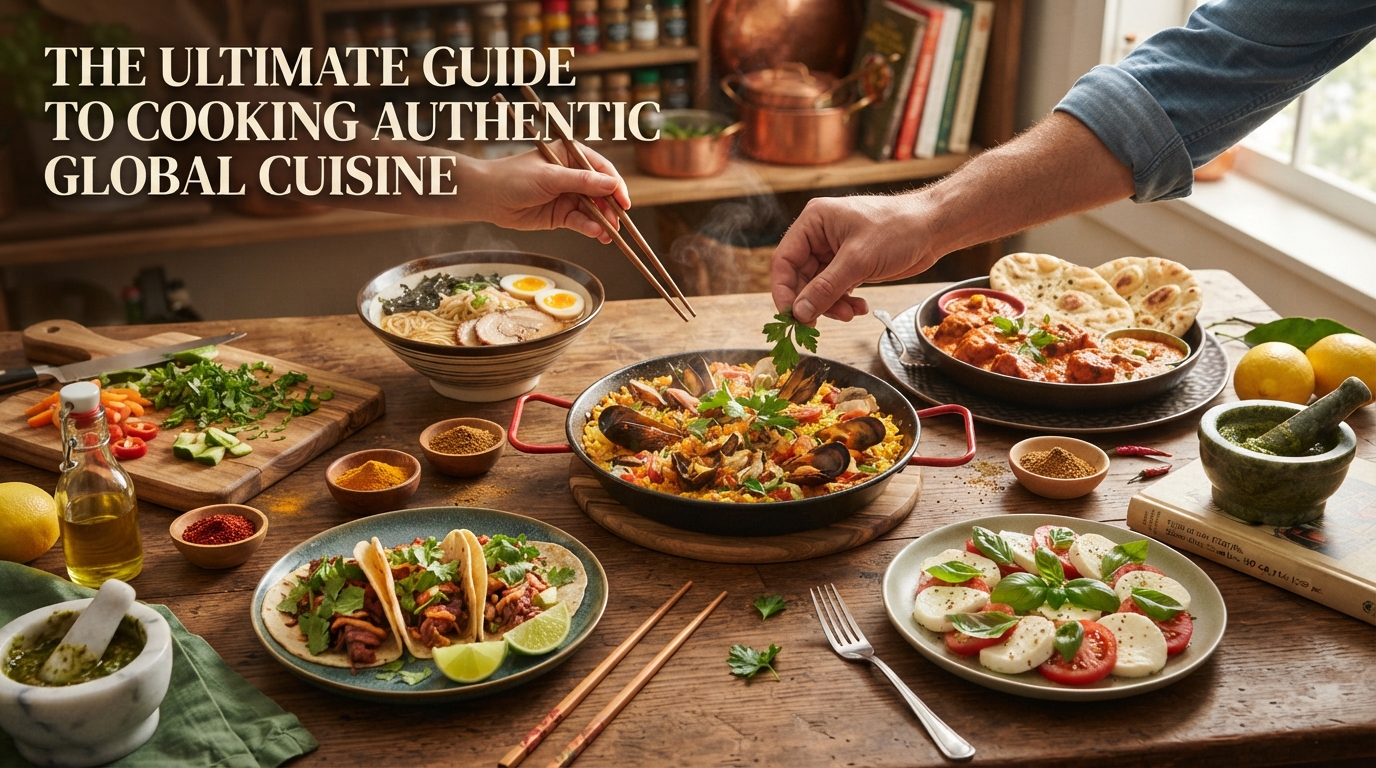
Have you ever eaten a dish at a restaurant that transported you straight to another country? That magic is what authentic global cuisine is all about. It’s more than just following a recipe — it’s about understanding the soul behind the food.
Whether you’re a seasoned home cook or a curious beginner, cooking international recipes at home can feel intimidating at first. But trust me: it doesn’t have to be. With the right approach, you can recreate bold, genuine flavors without a plane ticket.
This guide will walk you through the essential techniques, ingredients, and mindset you need to master world cuisine cooking tips. I’ll also share concrete examples and a few favorite dishes from different continents. Let’s dig in.
Why Authenticity Matters in Global Cooking
Authenticity isn’t about being a purist. It’s about respecting a culture’s culinary tradition. When you take shortcuts — like substituting curry powder for a freshly ground spice blend — the final dish loses its character.
That doesn’t mean you need hard-to-find ingredients for every meal. But learning why a particular spice is toasted first, or why a sauce is simmered for hours, makes a huge difference. You’re not just cooking; you’re learning a craft.
For a deeper dive into specific traditions, explore our International Cuisine category — it’s packed with regional deep dives and step-by-step guides.
Essential Tools Every Global Cook Needs
You don’t need a professional kitchen. But a few key tools make the process smoother. Here’s what I recommend based on years of cooking across cuisines:
- A heavy mortar and pestle — for grinding fresh spices (crucial for Indian, Thai, and Mexican pastes).
- A sharp chef’s knife — precision cuts matter in French, Japanese, and Chinese cooking.
- A digital kitchen scale — many European and Asian recipes rely on weight, not volume.
- A heavy-bottomed pot or Dutch oven — perfect for slow-cooking stews like Moroccan tagine or Hungarian goulash.
- Steamer basket — essential for dim sum, tamales, and many Southeast Asian dishes.
If you’re exploring low-carb or gluten-free versions of international dishes and want a practical starting point, confira esta opção — it offers well-tested alternatives that keep the spirit of the original cuisine intact.
Building Your Global Pantry: Staples You Should Always Have
A well-stocked pantry is your best shortcut to authentic flavors. You don’t need 50 bottles, but these staples cover most ground:
| Cuisine Region | Key Spices / Seasonings | Essential Condiments |
|---|---|---|
| East Asian | Soy sauce, sesame oil, rice vinegar, gochugaru | Miso paste, hoisin sauce, sriracha |
| South Asian | Cumin seeds, coriander seeds, turmeric, garam masala | Ghee, tamarind paste, coconut milk |
| Mediterranean | Oregano, za’atar, sumac, Aleppo pepper | Olive oil, tahini, pomegranate molasses |
| Latin American | Cumin, smoked paprika, dried chiles (ancho, guajillo) | Annatto oil, adobo sauce, epazote |
Start with one region at a time. Cook three to five dishes from that cuisine before moving on. This builds intuition for how those flavors work together.
And if you’re on a time crunch but still want bold results, our Quick & Easy Recipes collection includes many international options that don’t sacrifice flavor for speed.
The Five Foundational Cooking Techniques Across Cultures
Every cuisine relies on a handful of core techniques. Master these, and you can adapt almost any international recipe at home.
1. Searing and Caramelization
Whether it’s a French steak au poivre or Korean bulgogi, browning meat creates deep umami. Always pat protein dry before searing, and don’t crowd the pan.
2. Tempering Spices (Tadka)
Common in Indian cuisine, this involves blooming whole spices in hot oil or ghee before adding other ingredients. It unlocks aromatics you just can’t get from ground spices alone.
3. Slow Simmering for Depth
Many authentic stews — like Mexican mole or Ethiopian wot — require low, slow cooking. This melds flavors and tenderizes tougher cuts of meat.
4. Fermenting and Pickling
Think kimchi in Korea, sauerkraut in Germany, or curtido in El Salvador. Fermentation adds complexity and gut-friendly bacteria.
5. Steaming for Delicacy
From Chinese dim sum to Moroccan couscous, steaming preserves moisture and creates light, clean textures. It’s a hallmark of cuisines that value subtlety.
Recipe Snapshot: One Dish from Three Continents
To show you how these principles come together, here are three iconic dishes you can start with this weekend:
Miso Ramen (Japan) — Rich broth, fresh noodles, and a soft-boiled egg. The key is layering umami: shiitake mushrooms, miso paste, and a dash of soy sauce. Serve with homemade pickled bamboo shoots.
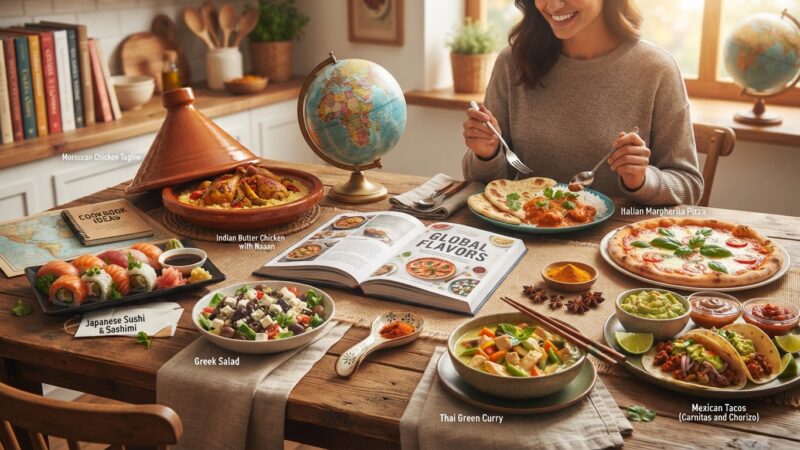
Chicken Tagine with Preserved Lemons (Morocco) — Slow-cooked with cinnamon, ginger, turmeric, and saffron. The preserved lemons add a salty-bright punch you can’t replicate any other way.
Menemen (Turkey) — A simple egg dish with tomatoes, peppers, and olive oil. The secret? Let the vegetables soften completely before adding eggs, and finish with a sprinkle of aleppo pepper.
Looking for lighter versions of these dishes? Check out our Healthy & Special Diet Recipes section, where we adapt classics for various dietary needs.
Common Pitfalls (And How to Avoid Them)
Even experienced cooks make mistakes when trying new cuisines. Here are the most common issues I’ve seen — and how to fix them:
Using pre-ground spices for everything — They lose potency fast. Invest in whole spices and grind them as needed. The difference is night and day.
Skipping the toasting step — Many recipes call for dry-toasting spices before grinding. Don’t skip it. It takes 30 seconds and adds a nutty depth.
Substituting ingredients without research — Lemon juice is not the same as lime juice, and fish sauce isn’t interchangeable with soy sauce. Learn what each ingredient actually brings.
Overcomplicating the first attempt — Pick one dish. Master it. Then expand. Trying to cook a full banquet on your first try leads to frustration.
For more practical kitchen advice, our Kitchen Tips & Meal Prep section has resources on organization, timing, and ingredient storage.
Frequently Asked Questions About Cooking Authentic Global Cuisine
What is the hardest cuisine to cook authentically?
Many cooks find Thai and Indian cuisines challenging because of the number of distinct spice pastes and the need for precise timing. That said, start with a simple curry or stir-fry and build from there.
Can I adjust global recipes for dietary restrictions?
Absolutely. Use tamari instead of soy sauce for gluten-free, or coconut cream instead of dairy. Just remember that each substitution changes the flavor profile slightly. Taste as you go.
Do I need special equipment to cook international food?
A wok is helpful for stir-frying, and a tagine is nice for Moroccan cooking, but you can adapt most dishes with basic pots and pans. Focus on technique first.
How do I find reliable international recipes?
Look for sources from the region itself. Serious Eats is a strong resource for technique-driven guides, and many regional food blogs offer authentic, family-tested recipes.
What is the one ingredient I should buy fresh for best results?
Herbs. Fresh cilantro, basil, mint, and curry leaves can transform a dish from flat to vibrant. Dried herbs rarely work as substitutes in global cuisine.
Is it possible to cook global cuisine on a budget?
Definitely. Staples like rice, beans, lentils, and root vegetables are affordable worldwide. Focus on dishes from regions that rely on these ingredients, like lentil soups from India and bean stews from Mexico.
How long does it take to become confident cooking international food?
With consistent practice — say, one new dish per week — most home cooks feel comfortable within three to six months. Don’t rush. Enjoy the learning curve.
Conclusion
Cooking authentic global cuisine isn’t about perfection. It’s about curiosity, respect, and the joy of discovering flavors that feel both new and ancient at the same time.
Start small. Pick one country. Make one dish this week. Pay attention to how the spices smell as they bloom, how the sauce thickens, how the flavors develop overnight in the fridge.
Before you know it, you’ll be hosting dinner parties where guests ask, “Where did you learn to cook like this?” And you’ll smile, knowing the answer: the world.
If you want to explore dessert traditions too, don’t miss our curated guides in Desserts & Baking — from French patisserie to Indian sweets, there’s always something sweet to discover.