The Ultimate Guide to Special Diet Cooking at Home
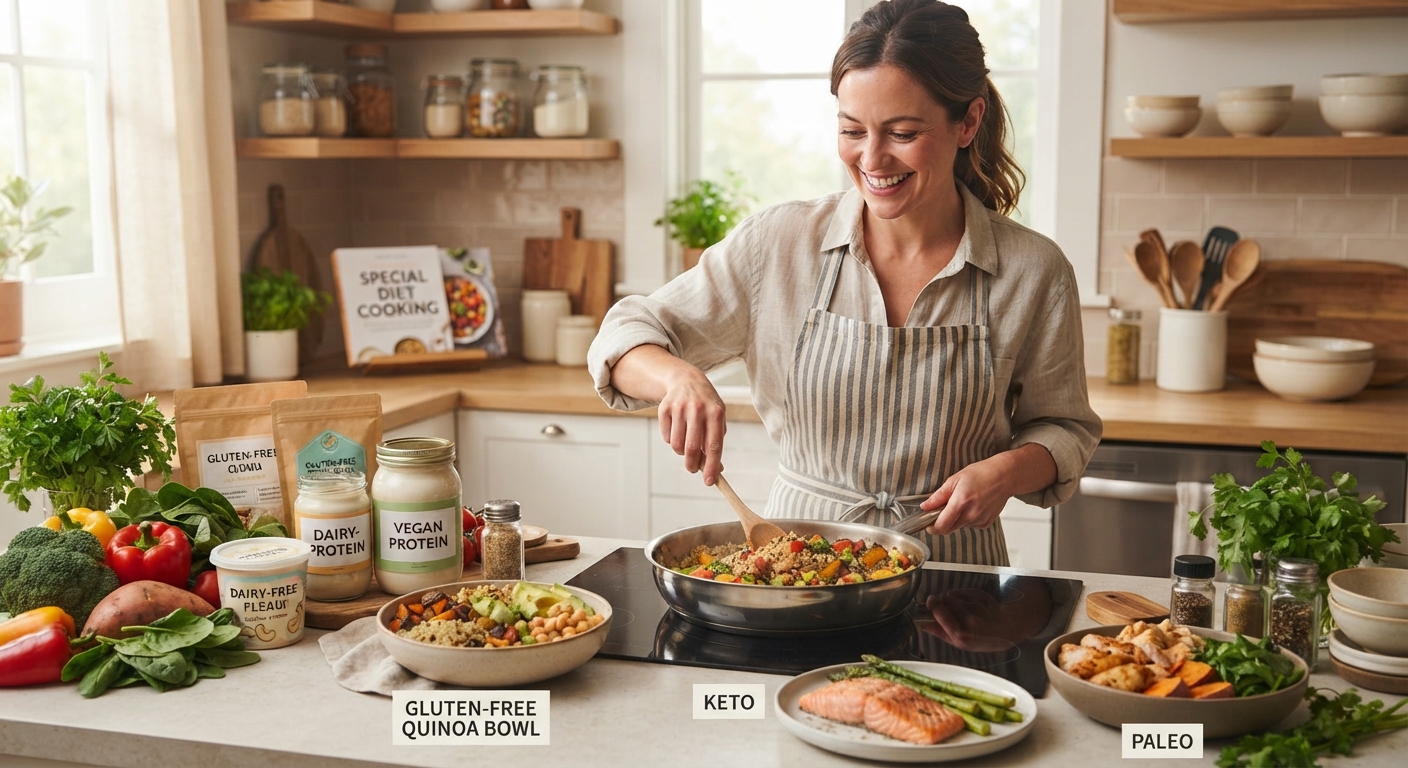
Navigating a special diet doesn’t mean you have to sacrifice flavor or spend hours in the kitchen. Whether you’re managing food allergies, following a keto lifestyle, or exploring plant-based eating, special diet cooking at home puts you in control. You get to choose fresh ingredients, adjust seasonings to your taste, and save money while eating exactly what your body needs.
In this guide, I’ll walk you through the essential strategies, pantry swaps, and cooking techniques that make special diet meals feel effortless. You’ll learn how to adapt almost any recipe, stock a versatile kitchen, and keep your meals exciting—all without feeling restricted.
1. Understanding the Most Common Special Diets
Before you start cooking, it helps to know the core principles behind popular special diets. Each one has specific guidelines, but they often share a focus on whole, unprocessed foods.
Keto and Low-Carb: These diets prioritize high fat, moderate protein, and very few carbs. You’ll rely on ingredients like avocado, olive oil, nuts, seeds, and low-carb vegetables. Check out our collection of healthy and special diet recipes for keto-friendly inspiration.
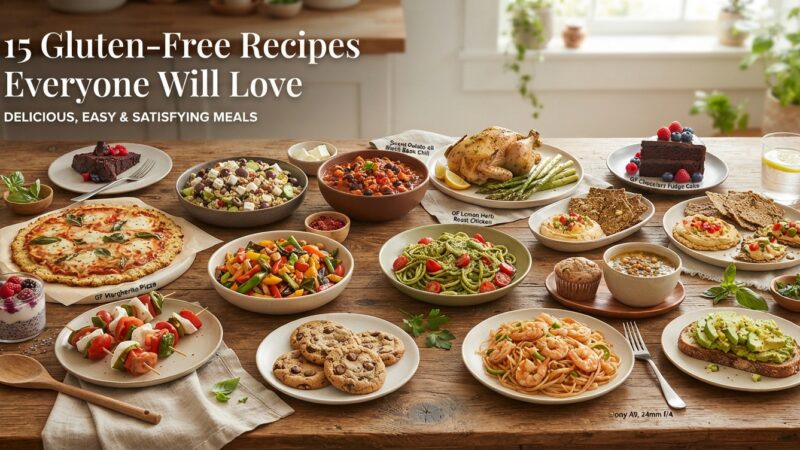
Gluten-Free: This is essential for anyone with celiac disease or gluten sensitivity. Replace wheat flour with almond, coconut, or rice flour, and use gluten-free oats and tamari instead of soy sauce.
Vegan and Plant-Based: No animal products at all. You’ll substitute dairy with nut milks and cheese made from cashews, and replace eggs with flax or chia seeds.
Paleo and Whole30: These diets avoid grains, legumes, and processed foods. Think grass-fed meats, vegetables, fruits, and healthy fats.
2. Building a Special Diet Pantry
A well-stocked pantry is your best friend when cooking for a special diet. It prevents last-minute stress and helps you whip up meals quickly.
Here are the core items I always keep on hand:
- Flours: Almond flour, coconut flour, and chickpea flour cover most gluten-free and low-carb needs.
- Milks: Unsweetened almond, coconut, and oat milk work for vegan and dairy-free recipes.
- Sweeteners: Stevia, erythritol, and monk fruit for keto; maple syrup and dates for vegan.
- Proteins: Canned lentils, chickpeas, and black beans for plant-based meals; canned salmon and tuna for quick options.
- Seasonings: Nutritional yeast (for a cheesy flavor), tamari, smoked paprika, and garlic powder.
Once your pantry is set, you can tackle any recipe with confidence. For more time-saving ideas, browse our kitchen tips and meal prep section.
3. Smart Ingredient Substitutions for Any Diet
You don’t need a separate cookbook for every diet. Most traditional recipes can be adapted with simple swaps. The trick is knowing which ingredient to replace and how.
| Original Ingredient | Gluten-Free Swap | Vegan Swap | Keto Swap |
|---|---|---|---|
| All-purpose flour | Almond flour or rice flour | Same as gluten-free | Almond flour or coconut flour |
| Butter | Dairy-free margarine | Coconut oil or vegan butter | Butter (it’s fine!) |
| Milk | Any nut milk | Almond, soy, or oat milk | Unsweetened almond milk |
| Eggs | N/A (eggs are GF) | Flax egg (1 tbsp flax + 3 tbsp water) | N/A (eggs are keto) |
| Soy sauce | Tamari or coconut aminos | Same | Tamari (low-carb) |
These swaps keep the texture and flavor close to the original. If you’re looking for international dishes that work with special diets, explore our international cuisine recipes for ideas you can adapt.
4. Meal Prep Strategies for Special Diets
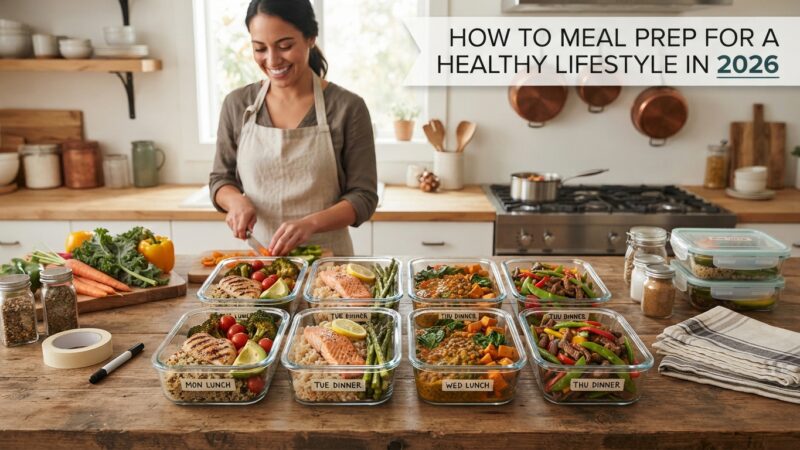
Meal prepping is a game-changer when your diet has restrictions. It ensures you always have compliant food ready, which reduces the temptation to order takeout.
Start small: Pick three dinners and two breakfasts you’ll eat that week. Cook proteins and grains in bulk, wash and chop vegetables, and portion out snacks like nuts or cheese.
Use freezer-friendly containers: Soups, stews, and grain bowls freeze beautifully. Mason jars are great for overnight oats and salads with dressing on the bottom.
Prep sauces and dressings: A good vinaigrette or dairy-free ranch instantly livens up any meal. Make a double batch and store it in the fridge.
For quick inspiration, visit our quick and easy recipes for meals that come together in under 30 minutes.
5. Cooking Techniques That Enhance Flavor Without Compromise
Special diet meals often rely on bold flavors to make up for missing ingredients. Learning a few key techniques will elevate your cooking instantly.
Roasting: Vegetables like broccoli, cauliflower, and Brussels sprouts become sweet and caramelized when roasted at 400°F with olive oil and salt. This natural sweetness reduces the need for sugar.
Searing: For meat and tofu, a hot pan with oil creates a golden crust that locks in flavor. Season generously before searing.
Using umami: Mushrooms, tomatoes, miso paste, and nutritional yeast add depth. A splash of tamari or coconut aminos works wonders in stir-fries and soups.
Professional chefs at Serious Eats often emphasize the importance of seasoning layer by layer—a tip that applies perfectly to special diet cooking.
6. Making Desserts Work on a Special Diet
Yes, you can still enjoy dessert. The key is choosing the right sweeteners and flours for your diet.
For keto desserts, almond flour and erythritol create cookies and cakes that taste indulgent without the carbs. Vegan desserts often use coconut cream and cacao powder for richness. Gluten-free baking works beautifully with oat flour or a good all-purpose gluten-free blend.
If you’re following a keto or low-carb diet and craving bread or sweets, many people have found success with specialized baking mixes. This option for keto breads and desserts is worth checking out if you want quick results without the trial and error.
For more dessert ideas, head to our desserts and baking section for recipes that can be adapted to your needs.
Frequently Asked Questions
1. Can I still eat out while following a special diet?
Yes, but it takes planning. Call ahead, check menus online, and ask about hidden ingredients like butter, flour, or sugar. Many restaurants now offer gluten-free buns, vegan cheese, and keto plates. When in doubt, order simple grilled proteins and steamed vegetables.
2. What is the hardest special diet to cook for?
In my experience, a combined keto and vegan diet is the most challenging because it limits both carbs and animal products. However, with avocado, coconut, nuts, and tofu, it’s definitely possible. Prepping ingredients in bulk makes it much more manageable.
3. Do I need special equipment for special diet cooking?
Not really. A good food processor helps with nut flours and vegan cheese, but you can get by with a blender, a sharp knife, and quality non-stick pans. An instant pot or slow cooker also saves time for batch cooking.
4. How do I avoid cross-contamination with gluten?
Use separate cutting boards, toasters, and utensils for gluten-free items. Wash surfaces thoroughly. If you share a kitchen, label your condiments and avoid double-dipping spoons into jars. Store gluten-free flours in sealed containers on a separate shelf.
5. Can I freeze meals made for special diets?
Absolutely. Most soups, stews, casseroles, and even grain-free muffins freeze well. Let them cool completely before freezing in airtight containers. Label with the date and the diet type for easy grabbing later.
6. What’s the best way to add protein to a vegan meal?
Combine legumes like lentils, chickpeas, and black beans with whole grains like quinoa or brown rice. Tofu, tempeh, edamame, and seitan (if not gluten-free) are excellent sources. Nutritional yeast also adds B vitamins and a cheesy flavor.
7. How can I make low-carb meals feel more satisfying?
Increase healthy fats like avocado, olive oil, nuts, and full-fat coconut milk. Fat boosts satiety and adds richness. Also, include plenty of non-starchy vegetables for volume and fiber, which helps you feel full longer.
Conclusion
Mastering special diet cooking at home is not about restriction—it’s about creativity and confidence. Once you understand the basics of substitution, meal prep, and flavor building, you can adapt almost any dish to fit your needs. Your kitchen becomes a place where health and taste come together naturally.
Start with one new swap this week, or try prepping a single meal in bulk. Small steps lead to big changes. And remember, you’re never alone in this journey—there are countless resources and communities ready to help you thrive on your special diet.