
How to Prepare Healthy Meals With Less Effort
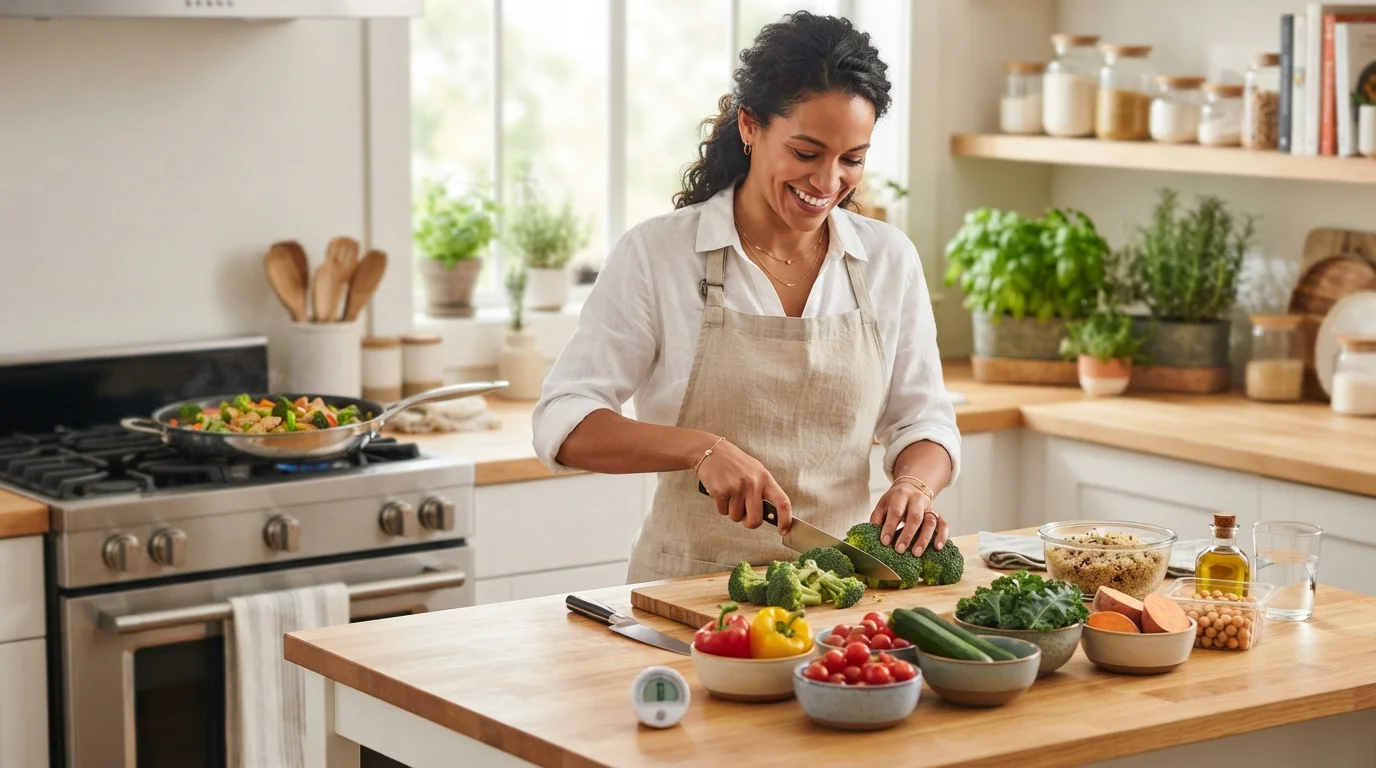
Let’s be honest: after a long day, the last thing you want to do is spend an hour chopping vegetables and scrubbing pans. You want something healthy, but you also want it fast. The good news? You don’t have to choose between eating well and saving time. Learning how to prepare healthy meals with less effort is a skill anyone can master, and it starts with smarter habits in the kitchen.
This guide is packed with practical, no-nonsense strategies that will transform your cooking routine. We’re talking about real, whole foods—not shortcuts that sacrifice nutrition. Let’s dive into the methods that make wholesome eating genuinely effortless.
Why Most People Struggle With Healthy Cooking
The biggest hurdle isn’t a lack of willpower; it’s a lack of systems. You open the fridge, see random ingredients, and feel overwhelmed. Then you default to takeout or a processed frozen meal. That’s not a character flaw—that’s a planning problem.
Another common pitfall is overcomplicating recipes. Many home cooks think a healthy meal needs twelve exotic ingredients and a complicated technique. In reality, the most consistent home cooks rely on simple, repeatable formulas. If you want consistent results without burnout, you need a repeatable, low-effort approach.
Fundamental Strategy: The Power of Batch Cooking
Batch cooking is the single most effective way to reduce daily cooking effort. Dedicate one to two hours on a Sunday or Monday to prepare core components. Think of it as building a “meal assembly kit” for the week ahead.
Here’s what I recommend cooking in bulk:
- Grains: A large batch of quinoa, brown rice, or farro.
- Proteins: Grilled chicken breasts, hard-boiled eggs, or a pot of lentils.
- Vegetables: Roasted broccoli, bell peppers, and sweet potatoes.
- Dressings/Sauces: A simple vinaigrette or a tahini sauce.
Once these are done, you can mix and match them in minutes. A bowl of rice + roasted veggies + grilled chicken + a drizzle of sauce is a complete, balanced meal. No recipe required. This is the core of smart meal prep for busy schedules, and it’s a game-changer.
Essential Shortcuts That Actually Save Time
Efficiency isn’t about cutting corners on quality; it’s about cutting corners on labor. Start by investing in a good chef’s knife and a large cutting board. Sharp tools make prep faster and safer.
Also, embrace your freezer. Chopped onions, garlic, ginger, and bell peppers freeze beautifully. Buy them pre-chopped or do it yourself on prep day. Need a quick pasta sauce? Sauté frozen garlic and onions straight from the bag. You save five minutes of chopping every single night.
Similarly, consider using a sheet pan for one-pan dinners. Toss chicken thighs with potatoes and green beans on a single tray, season with olive oil and herbs, and roast at 400°F for 30 minutes. Dinner is ready with just one pan to wash.
Meal Planning Without the Overwhelm
You don’t need a complicated color-coded spreadsheet. Effective easy healthy meal prep starts with a simple framework. Plan just three dinners per week, and use leftovers for the other nights. That’s it.
Keep a running list of 8–10 “go-to” meals that you know are fast and healthy. For example:
- Sheet pan salmon with asparagus
- Black bean tacos with avocado
- One-pot chicken and vegetable soup
- Stir-fried beef and broccoli
Rotate these every two weeks. You’ll never have to think about “what’s for dinner” again. For more inspiration, check out our collection of quick and easy recipes that fit perfectly into a low-effort routine.
Efficient Cooking Techniques to Master
Two techniques will cut your active cooking time in half: oven roasting and one-pot cooking. Roasting requires minimal hands-on work—just chop, season, and let the oven do the rest. One-pot meals (like soups, stews, or curries) let you layer flavors without dirtying multiple dishes.
If you’re following a specific diet like keto or low-carb, these methods are especially valuable. You can roast a whole tray of vegetables and proteins without any fuss. For those looking for tailored options, our healthy and special diet recipes include dozens of low-effort meals that align with your nutritional goals.
Here’s a quick comparison of cooking methods for time-saving kitchen tips:
| Method | Active Prep Time | Hands-Off Cooking | Cleanup Effort |
|---|---|---|---|
| Sheet Pan Roasting | 10 min | 30 min | Low (1 pan) |
| One-Pot Stovetop | 15 min | 25 min | Low (1 pot) |
| Instant Pot/Pressure Cooker | 10 min | 20 min | Low (1 pot) |
| Stir-Frying | 15 min | 10 min | Medium (1 pan + cutting board) |
Build a Stress-Free Weekly Routine
Consistency is the secret sauce. A strong stress-free cooking routine relies on a rhythm you can follow automatically. Designate one day for shopping, one day for prep, and the rest for assembly.
Try this sample schedule:
- Saturday: Grocery shopping (stick to your list from the 8–10 meal rotation).
- Sunday: 1.5 hours of batch cooking (grains, proteins, veg).
- Mon–Thurs: Assemble meals in under 15 minutes.
- Friday: Eat leftovers or order something fun.
Stick to this for three weeks, and it becomes a habit. The mental energy you save is enormous. And if you’re craving something different, you can always check out our international cuisine ideas to add variety without complicating your system.
The Kitchen Tools That Actually Help
You don’t need a $500 gadget collection, but a few smart tools can drastically cut your effort. A good food processor makes quick work of chopping veggies or making hummus. A digital kitchen scale speeds up measuring. And a quality set of glass storage containers keeps your prepped food fresh and visible.
For those following a low-carb or keto lifestyle, having a go-to resource for baked goods can make a huge difference. If you’re looking for a healthier alternative to traditional bread and sweets, I recommend you check out these keto-friendly bread and dessert mixes that require minimal effort and taste surprisingly good.
Frequently Asked Questions
1. How do I start meal prepping without feeling overwhelmed?
Start small. Prep just one ingredient, like cooking a batch of rice or roasting a tray of vegetables. Do that for a week. Add one more item the next week. Build momentum slowly.
2. Can I prep fresh vegetables ahead of time?
Yes, but store them correctly. Wash and chop hard vegetables like carrots and bell peppers, then store them in airtight containers with a paper towel to absorb moisture. Leafy greens stay fresh longer if left unwashed and stored with a paper towel.
3. What are the best proteins for meal prep?
Chicken thighs (they stay juicier than breasts), ground turkey, canned beans, tofu, and hard-boiled eggs are fantastic. They all reheat well and are versatile enough to use in different dishes.
4. How long should I spend on weekly meal prep?
For most people, 90 minutes is enough to prep grains, proteins, and a couple of veggies. If you’re just starting, allow two hours. You’ll get faster with practice.
5. Is it cheaper to eat healthy with meal prep?
Absolutely. When you plan and prep, you buy only what you need, which reduces food waste. You also avoid the cost of takeout and impulse purchases. A prepped meal at home costs a fraction of a restaurant meal.
6. What if I get bored eating the same food?
Use different sauces and dressings. A simple change of seasoning—like swapping Italian herbs for curry powder—can completely transform a bowl of rice and chicken. Keep three different sauces in your fridge to rotate throughout the week.
7. How do I handle a busy week when I can’t prep?
Keep emergency staples in your pantry: canned beans, canned tomatoes, quick-cooking grains like couscous, and frozen vegetables. You can throw together a satisfying meal in 10 minutes with just those ingredients.
Conclusion
Mastering how to prepare healthy meals with less effort isn’t about being a superhuman cook. It’s about building smart systems, using the right techniques, and letting the oven or pot do the heavy lifting for you. Batch cooking, one-pan meals, and simple weekly planning will free up hours of your time while keeping your diet on track.
Start with just one change this week—maybe a Sunday batch cook or a quick sheet-pan dinner—and see how it feels. When you take the stress out of cooking, you’ll find yourself eating better, spending less, and actually enjoying the process. Your future self (and your taste buds) will thank you.


