Easy Weekly Meal Prep Ideas for Beginners
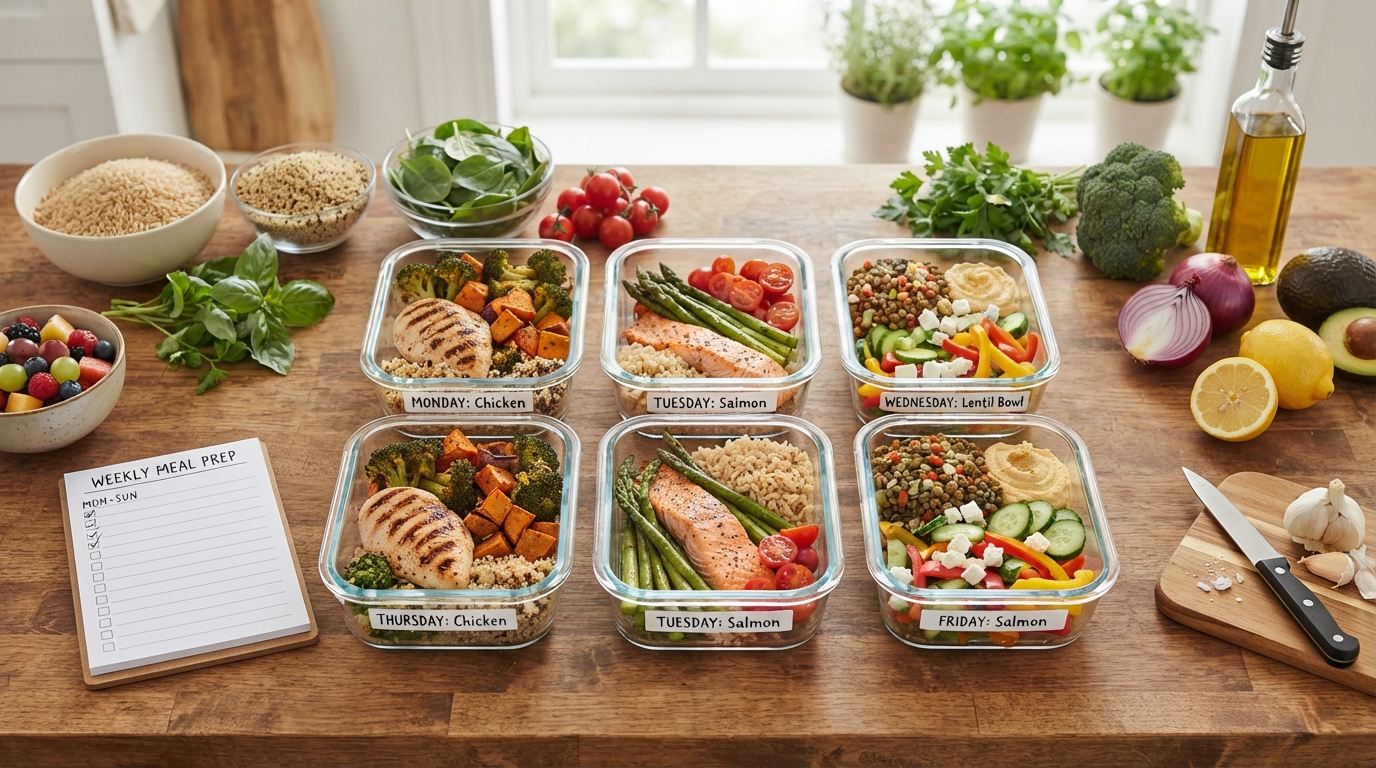
Starting your journey with easy weekly meal prep ideas for beginners can feel overwhelming at first. But trust me, it doesn’t have to be complicated. With a little planning and the right mindset, you can save hours in the kitchen, reduce food waste, and eat healthier all week long.
Whether you’re a busy professional, a student, or just someone who wants to simplify dinnertime, these simple strategies will help you build a routine that sticks. Let’s break it down step by step.
Why Meal Prep Matters for Beginners
Meal prep isn’t about cooking every single meal for the next seven days. It’s about preparing components that make daily cooking faster and easier. Think of it as setting yourself up for success.
For beginners, the biggest benefit is consistency. When you have prepped ingredients ready, you’re far less likely to order takeout or grab something unhealthy. Plus, you’ll save money and reduce stress.
A great place to start is checking out our quick and easy recipes that are perfect for batch cooking.
Start with a Simple Meal Prep Plan
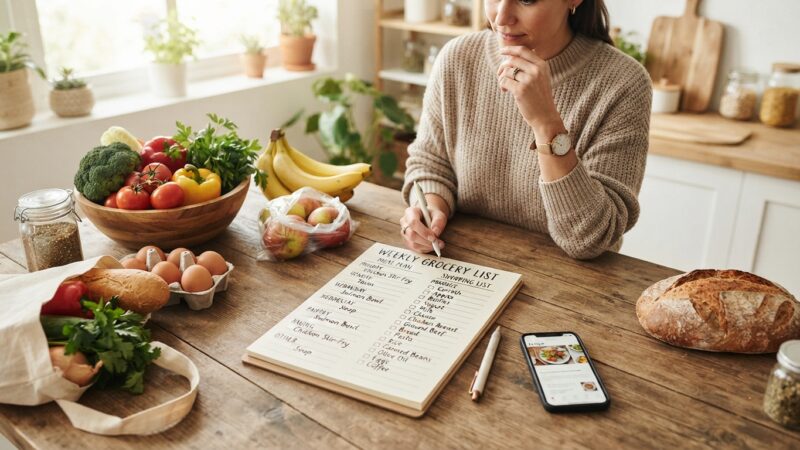
Before you chop a single vegetable, take 15 minutes to plan your week. Ask yourself: How many lunches and dinners do I actually need? What’s my schedule like?
Here’s a simple weekly meal planning framework:
- Pick 2-3 core proteins (like chicken breast, ground turkey, or tofu)
- Choose 2-3 versatile vegetables (broccoli, bell peppers, spinach)
- Select 1-2 complex carbs (quinoa, brown rice, sweet potatoes)
- Add one or two sauces or dressings (vinaigrette, pesto, tahini)
This approach allows you to mix and match throughout the week without getting bored.
Essential Tools for Beginner Meal Prep
You don’t need a professional kitchen, but a few key items make a big difference. Invest in a set of good-quality glass containers with tight lids. They’re microwave-safe, dishwasher-safe, and keep food fresh longer.
Other helpful tools include a sharp chef’s knife, a large cutting board, and a sheet pan for roasting multiple ingredients at once. A slow cooker or Instant Pot is also a game-changer for batch cooking proteins and soups.
If you’re exploring new recipes, our healthy and special diet recipes offer great options that work well for meal prep.
Beginner-Friendly Meal Prep Recipes to Try
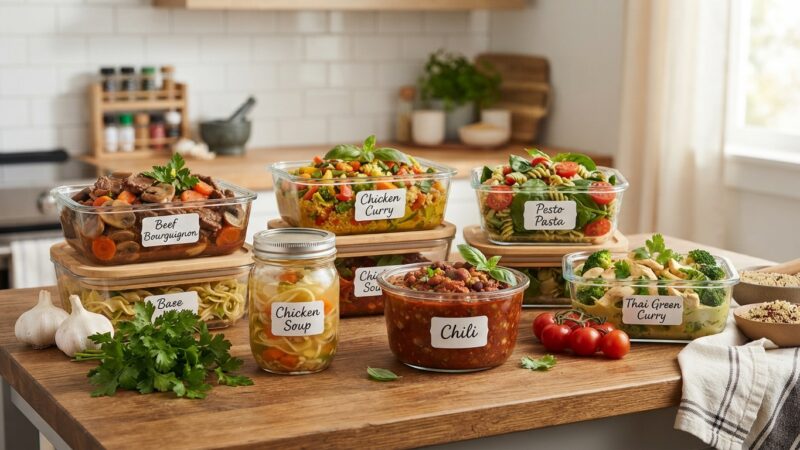
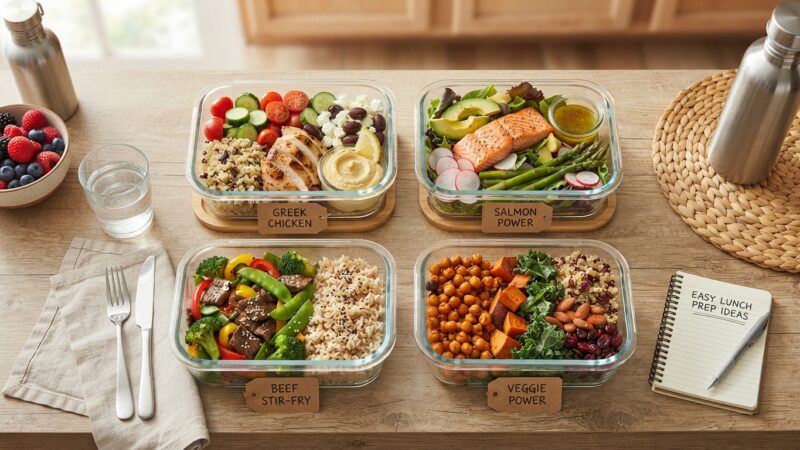
Start with recipes that are forgiving and reheat well. Think grain bowls, stir-fries, and sheet pan dinners. These dishes hold up in the fridge and taste great throughout the week.
Here are three simple ideas to get you started:
- Chicken and Veggie Grain Bowls: Roast chicken thighs with broccoli and sweet potatoes. Serve over quinoa with a lemon-tahini dressing.
- Turkey Taco Lettuce Wraps: Cook ground turkey with taco seasoning. Portion into containers with lettuce cups, black beans, and salsa.
- Pasta Primavera: Toss whole-wheat pasta with roasted zucchini, cherry tomatoes, and pesto. Add grilled chicken for extra protein.
These ideas are just a starting point. Once you get comfortable, you can explore more options from our international cuisine collection for inspiration.
How to Store Your Prepped Meals Correctly
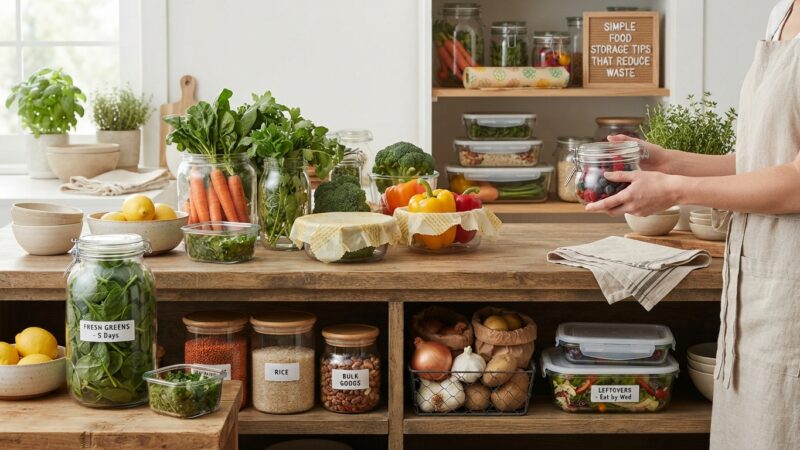
Proper storage is key to keeping your food safe and tasty. Always let cooked food cool completely before sealing containers. Placing hot food directly into the fridge can raise the internal temperature and compromise safety.
Here’s a quick storage guide:
| Food Type | Fridge Shelf Life | Best Storage Method |
|---|---|---|
| Cooked grains | 4-5 days | Airtight container |
| Roasted vegetables | 3-4 days | Shallow container with paper towel |
| Grilled chicken | 3-4 days | Airtight container, sliced |
| Raw vegetables | 5-7 days | Container with water or damp paper towel |
| Sauces and dressings | 5-7 days | Mason jar or squeeze bottle |
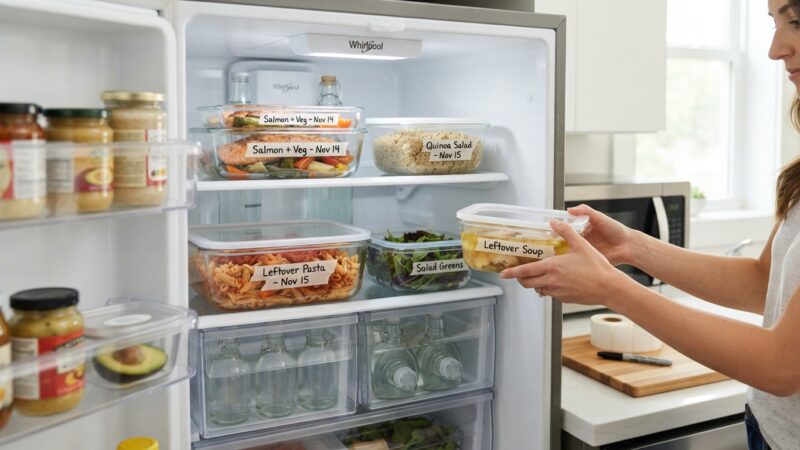
Label everything with the date so you know what to eat first. This simple habit prevents food waste and keeps your fridge organized.
Common Beginner Mistakes and How to Avoid Them
One of the biggest mistakes beginners make is trying to prep too many different meals at once. Stick to 2-3 base recipes and rotate them. Variety can come from different sauces or toppings.
Another mistake is not considering how flavors change over time. For example, delicate herbs like cilantro can wilt, while strong flavors like garlic can intensify. Use sturdy ingredients like kale, carrots, and bell peppers that hold up well.
Finally, don’t overcomplicate it. Meal prep is meant to simplify your life, not add more stress. Start small, learn what works for you, and adjust as you go.
If you’re looking for more strategies, our kitchen tips and meal prep category has plenty of advice to guide you.
Frequently Asked Questions About Meal Prep for Beginners
1. How long does meal prep take for a beginner?
Most beginners can prep 3-4 days’ worth of meals in about 1.5 to 2 hours. As you get faster, you can reduce that time significantly.
2. Can I meal prep without cooking everything on Sunday?
Absolutely. You can spread prep throughout the week. For example, chop vegetables on Monday, cook grains on Tuesday, and assemble meals later.
3. What foods don’t freeze well for meal prep?
Foods with high water content like lettuce, cucumbers, and creamy sauces can become watery or grainy after freezing. Stick to freezing soups, stews, and cooked proteins instead.
4. How do I keep prepped salads from getting soggy?
Store wet ingredients (like tomatoes or cucumbers) separately from leafy greens. Add dressing just before eating. You can also use mason jar salads with dressing at the bottom.
5. Should I meal prep if I’m on a special diet?
Yes, meal prep is perfect for dietary needs. It helps you control portions and ingredients. Check out our healthy special diet recipes for inspiration tailored to your needs.
6. Is it safe to eat prepped meals after 5 days?
Generally, cooked food stays safe in the fridge for 3-4 days. For longer storage, freeze portions and thaw them as needed.
7. How do I meal prep without getting bored?
Rotate your proteins, grains, and sauces each week. Use different spice blends or dressings to change the flavor profile of the same base ingredients.
8. What if I don’t have a fridge at work?
Use an insulated lunch bag with ice packs. Pack foods that are safe at room temperature for a few hours, like whole grains, roasted vegetables, and dried fruits.
Final Tips to Make Meal Prep a Habit
The key to long-term success is keeping it simple and enjoyable. Don’t aim for perfection. Some weeks you’ll prep five recipes, other weeks you’ll only prep two. That’s fine.
Pair your meal prep time with something you enjoy, like listening to a podcast or an audiobook. It makes the process feel less like a chore and more like a ritual.
Remember, meal prep is a skill, and like any skill, it gets easier with practice. Starting with these easy weekly meal prep ideas for beginners will set you on the right path. For more detailed guides and recipe inspiration, explore our kitchen tips and meal prep resources.
If you’re ready to take your meal prep to the next level and explore delicious baked goods that store well, confira esta opção for keto-friendly bread and dessert recipes that are perfect for prepping ahead.
Happy prepping!