How to Start a Mediterranean Diet Without Feeling Overwhelmed
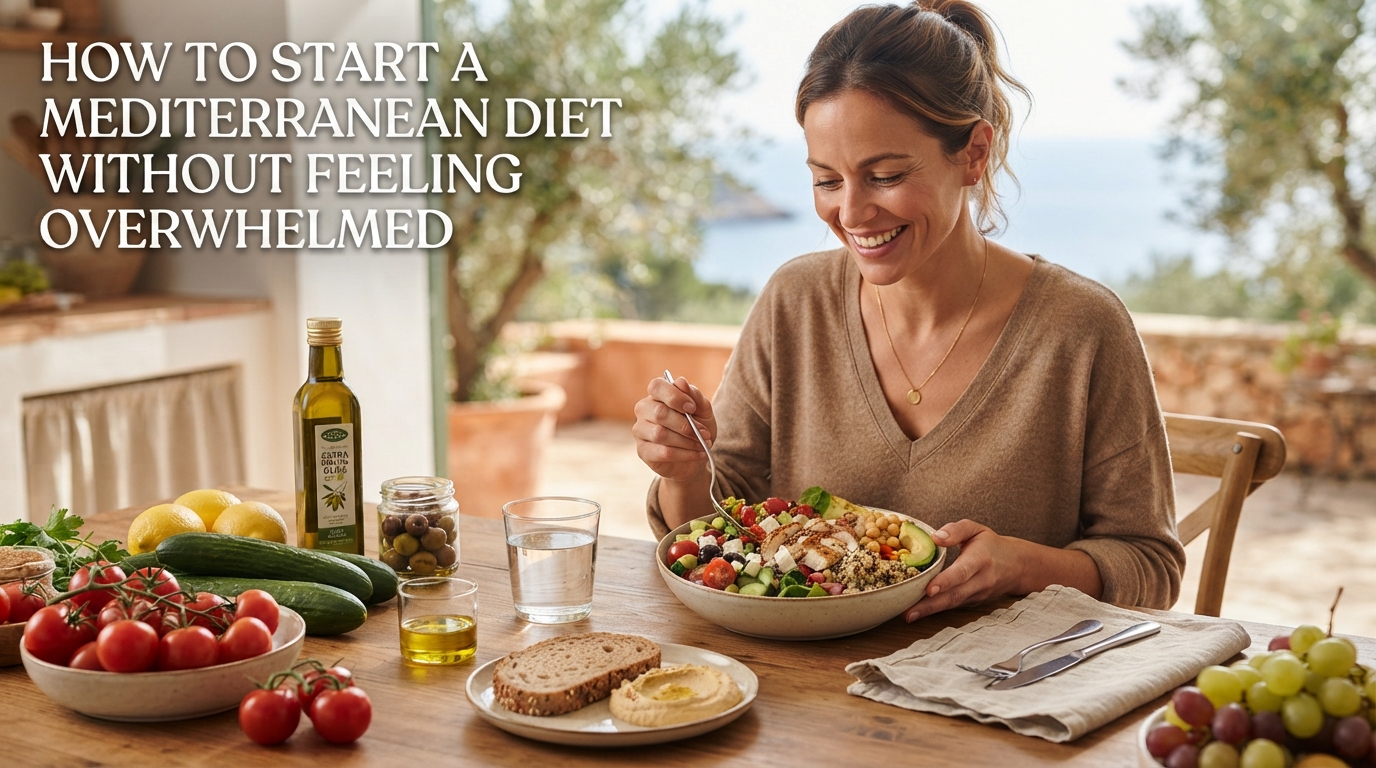
Starting a new way of eating can feel like climbing a mountain. You stare at lists of “forbidden” foods, worry about complicated shopping trips, and wonder if you’ll ever enjoy a meal again. But here’s the truth: the Mediterranean diet isn’t about deprivation. It’s about abundance—of flavor, of color, and of foods that actually make you feel good.
If you’ve been searching for how to start a Mediterranean diet without feeling overwhelmed, you’re in the right place. This guide breaks everything down into small, manageable steps. No strict rules. No overnight pantry purges. Just realistic shifts that stick.
Think of this as a gentle ramp, not a cold plunge. By the end of this article, you’ll have a clear, doable plan to embrace Mediterranean diet for beginners—starting with your very next meal.
What Exactly Is the Mediterranean Diet? (Spoiler: It’s Not a Diet)
Let’s clear up the biggest misconception first. The Mediterranean diet isn’t a rigid meal plan with calorie counts or banned food groups. It’s a pattern of eating inspired by countries like Greece, Italy, Spain, and Morocco.
At its core, it emphasizes:
- Vegetables and fruits at every meal
- Whole grains like farro, bulgur, and oats
- Healthy fats mainly from olive oil, nuts, and seeds
- Lean proteins like fish, poultry, beans, and lentils
- Dairy in moderation (yogurt and cheese, please)
- Herbs and spices instead of salt for flavor
Notice what’s not there? No “zero-carb” zones. No cutting out entire food groups. You still enjoy pasta, bread, and even red wine in reasonable amounts. The focus is on adding, not subtracting. This alone makes adopting an easy Mediterranean diet far less intimidating.
For a deeper dive into cooking styles from this region, browse our international cuisine recipes for authentic inspiration.
Why This Eating Style Works (Without Making You Miserable)
Research consistently shows that people who follow a Mediterranean eating pattern have lower risks of heart disease, type 2 diabetes, and cognitive decline. But the real magic? It’s sustainable. Because it doesn’t feel like a diet.
Instead of fighting cravings, you work with them. You learn to crave a handful of olives instead of a bag of chips. You find that a bowl of lentil soup with crusty bread is more satisfying than a sad salad.
This approach is a true heart healthy eating plan that nourishes your body and your taste buds simultaneously. It’s less about willpower and more about shifting your palate over time.
Step 1: Start with One Easy Mediterranean Swap
The fastest way to feel overwhelmed is to try changing everything at once. Don’t. Pick just one swap for your first week. Here are some painless ideas:
- Swap butter for olive oil when cooking eggs or sautéing vegetables.
- Swap your afternoon candy bar for a handful of almonds and an apple.
- Swap white rice for quinoa or farro in your lunch bowl.
- Swap a soda for sparkling water with a lemon slice.
That’s it. One change. Do it for seven days. The goal isn’t perfection—it’s building momentum. Once that swap feels normal, add another. Before you know it, you’ve woven simple Mediterranean meals into your daily routine without a single meltdown.
Need quick recipes that fit this style? Check out our quick and easy recipes for weeknight-friendly ideas using whole ingredients.
Step 2: Build a Mediterranean-Friendly Pantry (No Stress Shopping)
You don’t need to visit a specialty store or spend a paycheck on exotic ingredients. A Mediterranean pantry is surprisingly simple. Start with these staples:
| Category | Examples | How to Use |
|---|---|---|
| Whole Grains | Brown rice, quinoa, farro, whole wheat pasta | Base for bowls, sides, and salads |
| Healthy Fats | Extra virgin olive oil, avocado, almonds, walnuts | Cooking, dressings, snacks |
| Proteins | Canned chickpeas, lentils, tuna, chicken, eggs | Quick meals, salads, stews |
| Pantry Heroes | Canned tomatoes, garlic, onions, dried oregano | Base for sauces and soups |
Once you have these basics, you can throw together a meal in 15 minutes. Toss chickpeas with olive oil, lemon, and oregano. Serve with a piece of whole wheat toast and sliced cucumber. Dinner solved.
For more ideas on getting comfortable in the kitchen, visit our kitchen tips and meal prep guides.
Step 3: Rethink Your Plate (The Visual Trick That Works)
Instead of counting macros, use a simple visual rule. Imagine your dinner plate divided into three sections:
- Half the plate: Vegetables or a large salad
- One quarter: Whole grains or starchy vegetables
- One quarter: Lean protein (fish, chicken, or beans)
Drizzle the whole thing with olive oil. This one mental shift instantly makes your meals more Mediterranean. You’re not measuring—you’re just filling your plate with the right proportions.
This is a core part of a heart healthy eating plan because it naturally reduces processed foods and increases fiber-rich ingredients.
Step 4: Make Fish Your Friend (But Don’t Stress If You’re Not a Fan)
Traditional Mediterranean diets feature fish two to three times per week. Fatty fish like salmon, sardines, and mackerel are rich in omega-3s. But if you’re not a seafood lover, you’re not out of luck.
Start with mild white fish like cod or tilapia. Season simply with lemon, garlic, and parsley. Bake at 400°F for 12 minutes. Serve over a bed of greens with a lemon vinaigrette.
Still not into it? Plant-based proteins like lentils, chickpeas, and beans carry the same heart benefits. You can also explore sustainable seafood guides from NYT Cooking for beginner-friendly recipes.
The point is flexibility. You make this diet work for you, not the other way around.
Step 5: Don’t Forget Dessert (Yes, Really)
Restrictive diets that ban sweets always fail in the long run. The Mediterranean approach includes dessert, but it’s usually small, simple, and naturally sweet. Think fresh fruit with a drizzle of honey, a square of dark chocolate, or Greek yogurt with berries.
If you have a serious sweet tooth, you can still enjoy baked goods. The trick is to use whole ingredients like almond flour, olive oil, and fruit. For satisfying options, browse our desserts and baking recipes that use better-for-you ingredients.
Indulging mindfully is part of the lifestyle—not a “cheat.”
Step 6: Focus on Lifestyle, Not Just Food
The Mediterranean diet isn’t only about what’s on your plate. It’s also about how you eat. Meals are often shared with family or friends. Eating is unhurried. Physical activity is woven into daily life through walking and gardening.
You don’t have to move to a Greek island to adopt this. Start small: sit at a table for your meals instead of eating in front of the TV. Take a 10-minute walk after dinner. Cook with a friend once a week. These Mediterranean lifestyle changes reinforce the eating habits naturally.
For even more support on eating well, explore our healthy and special diet recipes designed for sustainable wellness.
Frequently Asked Questions
1. Do I have to give up bread and pasta completely?
Not at all. The Mediterranean diet includes whole grain versions in moderation. The key is portion control and quality. A slice of sourdough with olive oil is perfectly fine.
2. Can I follow this diet on a budget?
Yes. The diet relies heavily on affordable staples like beans, lentils, eggs, and seasonal vegetables. Canned fish like sardines and tuna are budget-friendly protein sources.
3. How quickly will I see results?
Many people notice better energy and digestion within the first week. Weight loss is slower but more sustainable. Focus on how you feel, not just the scale.
4. Is red wine required?
No. If you don’t drink, don’t start. The health benefits come from the overall pattern, not any single food or drink. Grape juice offers similar antioxidants if you want an alternative.
5. What if I don’t like olives or olive oil?
You can still follow the diet. Use avocado oil, nuts, and seeds for healthy fats. There are plenty of delicious Mediterranean recipes that don’t rely heavily on olive oil.
6. Can I eat dairy?
Yes, in moderation. Greek yogurt, feta cheese, and goat cheese are common in the traditional diet. Stick to plain, unsweetened yogurt and small amounts of cheese as a flavor enhancer.
7. Is this diet safe for people with diabetes?
Absolutely. The high fiber content from vegetables, legumes, and whole grains helps stabilize blood sugar. Always consult your doctor before making major dietary changes.
8. What’s the easiest meal to start with?
A grain bowl. Cook some quinoa or farro, top with roasted vegetables, a handful of chickpeas, a dollop of hummus, and a drizzle of tahini. Ready in 20 minutes and incredibly forgiving.
Conclusion
Starting how to start a Mediterranean diet without feeling overwhelmed isn’t about perfection. It’s about progress. One swap. One meal. One week at a time.
You don’t need a complicated meal plan or a kitchen overhaul. You just need to start where you are, with the foods you already recognize. Add color. Add flavor. Add olive oil. The rest will fall into place naturally.
Remember, you’re not on a diet—you’re building a lasting relationship with food that actually tastes good and makes you feel fantastic. Welcome to the Mediterranean way of life.